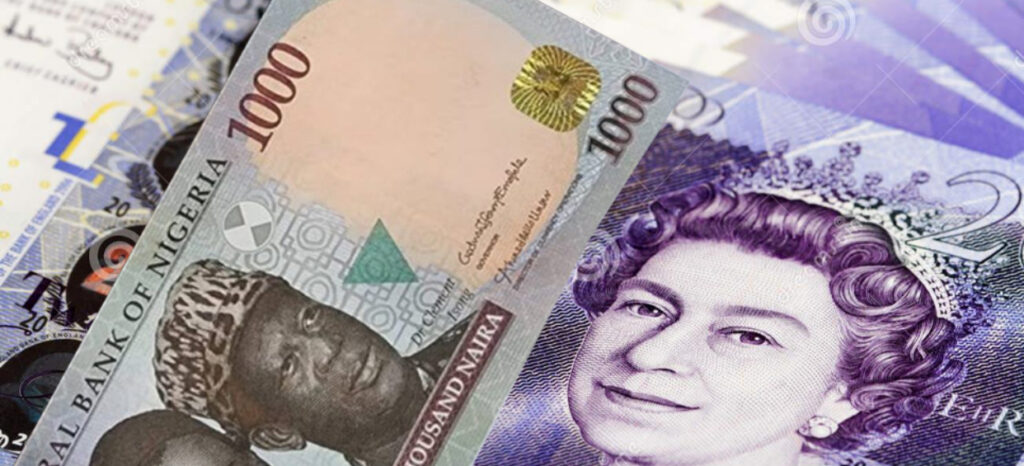
At the official market, the pound traded at about ₦1,855/£, up from ₦1,849/£ in the previous session. Meanwhile, the naira remained relatively stable against the US dollar, trading within the ₦1,375–₦1,380/$ range.
The latest movement reflects the influence of global currency dynamics rather than a significant deterioration in the naira itself, as the Central Bank of Nigeria (CBN) continues to support exchange rate stability through regular FX interventions backed by rising external reserves.
What the data is saying
The pound’s appreciation was largely driven by renewed strength in global currency markets following weaker-than-expected US inflation data.
UK monetary policy expectations also supported Sterling, with investors increasingly pricing in further interest rate hikes by the Bank of England (BoE) amid persistent inflationary pressures, particularly from energy and services.
Nigeria’s foreign exchange fundamentals remain relatively supportive.
External reserves have continued to rise above $51 billion, providing the CBN with greater capacity to intervene in the FX market and moderate excessive volatility.
The official exchange rate has remained relatively stable within the ₦1,825–₦1,890/£ range in recent months despite fluctuations in global markets.
However, new sources of dollar demand could emerge after Dangote Petroleum Refinery began selling petroleum products to local marketers in US dollars following disruptions to its naira-for-crude arrangement.
This development could gradually increase commercial demand for foreign exchange and place additional pressure on the naira over time if not offset by stronger FX inflows.
The International Monetary Fund (IMF) recently assessed the naira as being approximately 25.6% undervalued, suggesting that despite current exchange rate levels, the currency remains below its estimated fair value.
Global market drivers
The British pound strengthened against the US dollar after softer-than-expected US inflation data increased expectations that the Federal Reserve may slow the pace of monetary tightening.
US annual inflation eased to 3.5% in June, while headline consumer prices declined 0.4% month-on-month, reinforcing expectations of a less aggressive Fed policy path.
At the same time, the pound continued to benefit from expectations that the Bank of England will maintain relatively high interest rates as inflation in the UK remains above 3%.
Markets are increasingly pricing in additional BoE rate hikes during 2026, providing further support for Sterling.
Geopolitical tensions involving the United States, Iran, and the Strait of Hormuz have also pushed oil prices higher, raising concerns that elevated energy costs could keep inflation elevated globally and delay interest rate cuts by major central banks.
What this means
For Nigerian businesses and individuals dealing in pounds, the stronger Sterling translates into higher import costs, increased tuition expenses for students in the UK, and higher travel costs.
For the broader foreign exchange market, however, the naira’s performance against the US dollar remains the more important indicator, and it has stayed relatively stable due to improved reserves and continued CBN intervention.
The key risk going forward is whether rising domestic demand for US dollars—particularly from refiners and importers—begins to outweigh the CBN’s ability to supply the market.
If reserves remain strong and FX reforms continue, the naira could maintain its relative stability despite periodic weakness against currencies such as the British pound, whose movements are increasingly being driven by global monetary policy rather than domestic Nigerian factors.
What you should know
- The pound strengthened globally following weaker US inflation data, leading to a modest depreciation of the naira against Sterling.
- The naira remains relatively stable against the US dollar, trading around ₦1,375–₦1,380/$ in the official market.
- Nigeria’s external reserves have climbed above $51 billion, giving the CBN greater room to defend the currency.
- The IMF recently stated that the naira is approximately 25.6% undervalued, despite its recent appreciation.
- Dangote Refinery’s decision to price petroleum sales in US dollars could increase commercial FX demand and place additional pressure on the naira over the medium term.
- Markets continue to expect tighter monetary policy from the Bank of England, supporting further strength in the British pound against most major currencies.