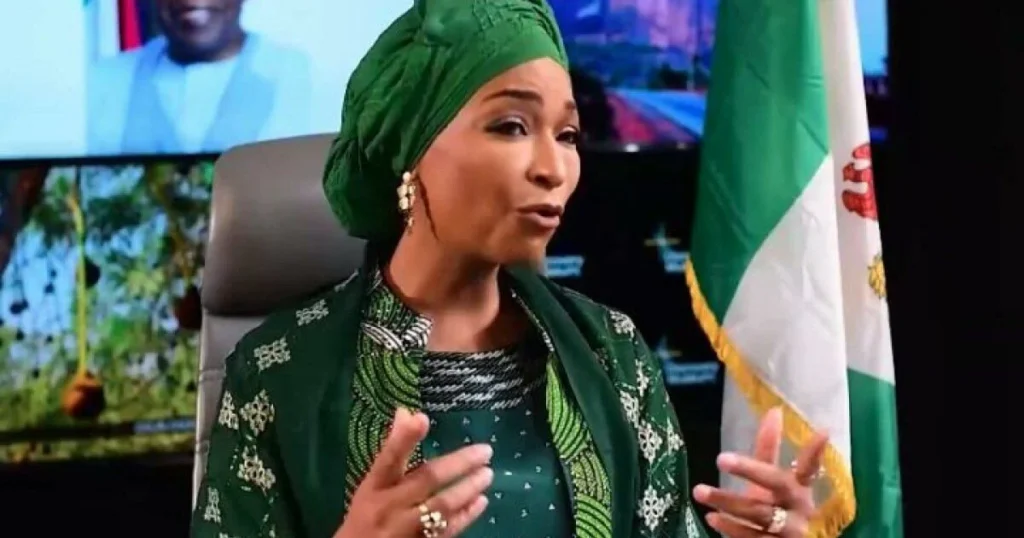
Hannatu Musawa assumed office as Minister of Art, Culture, Tourism and the Creative Economy with high expectations and a mandate to drive growth across sectors critical to national identity and revenue generation. Early signs of her tenure were marked by ambitious policy signals, international engagements, and announced partnerships that suggested momentum.
However, months into her administration, industry stakeholders are increasingly calling for tangible results, raising concerns over what has been achieved beyond initial announcements. Players within the creative and tourism sectors say the focus must now shift from plans to visible, on-the-ground projects, noting that delays in execution could have financial implications in an industry driven by talent and investment.
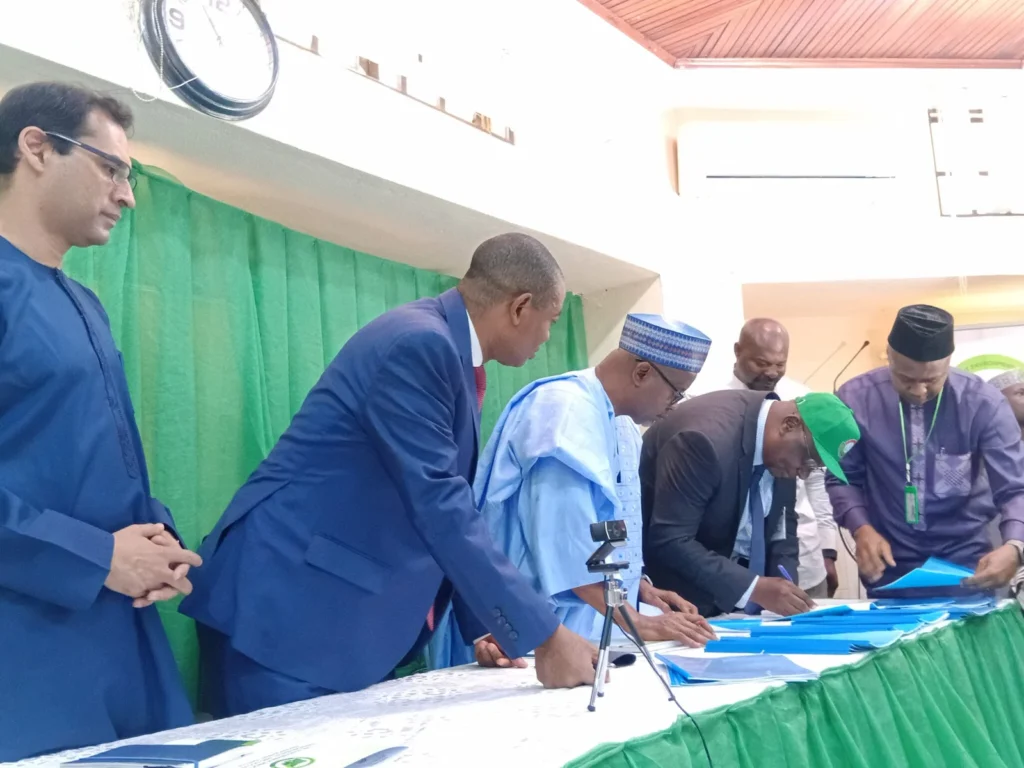
Recent activities by the minister point to ongoing efforts, including a tourism agreement in Plateau State aimed at revitalising key destinations, as well as participation in global forums positioning Nigeria within broader international conversations. Engagements around cultural institutions have also indicated attempts to address structural gaps within the sector. While these steps signal intent, stakeholders argue they remain preliminary and are yet to translate into measurable outcomes.
Concerns have also been raised about communication and engagement with industry players. Creative professionals have called for clearer timelines, defined targets, and more transparent dialogue, stressing that uncertainty could discourage potential investors from committing resources.
In addition to performance-related concerns, Musawa’s tenure has faced heightened public scrutiny. Debates surrounding her National Youth Service Corps (NYSC) status continue to generate discussion, while reactions to some of her public appearances—including criticism over perceived displays of luxury—have further shaped public perception.
Despite the criticisms, observers note that the ministry’s portfolio remains one of Nigeria’s most promising, given the global appeal of its film, music, tourism, and cultural heritage sectors. Analysts say that with clearer priorities and consistent implementation, the ministry still has the potential to deliver meaningful outcomes and strengthen Nigeria’s position in the global creative economy.