
Nigeria’s Statutory Revenue Falls ₦20.74 Trillion Short of Budget Target in First 10 Months of 2026
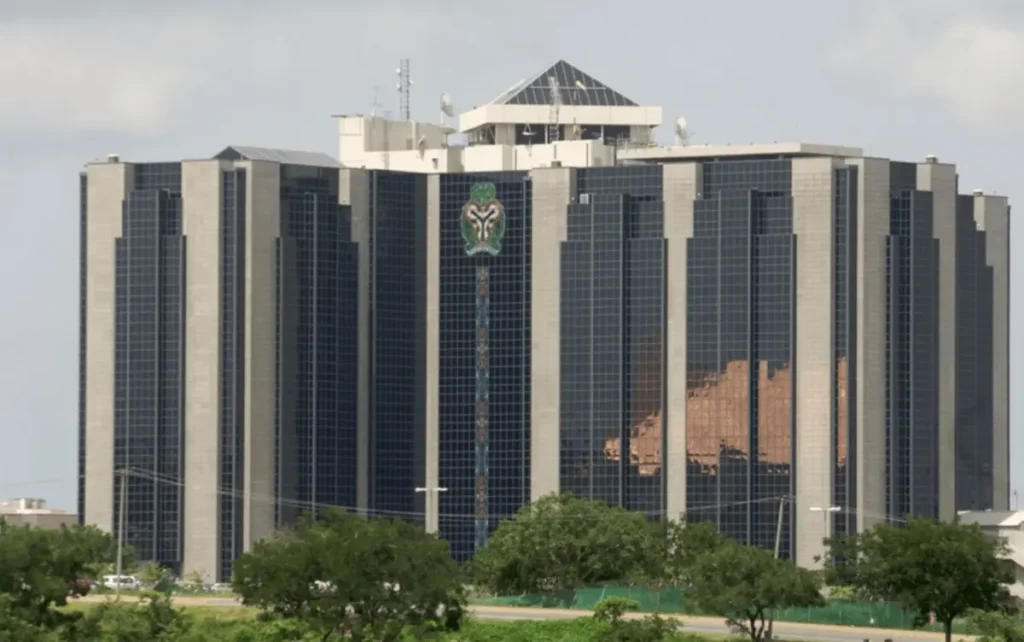
Nigeria’s statutory revenue fell ₦20.74 trillion short of its budget target in the first 10 months of 2026, despite a significant increase in international crude oil prices that was expected to strengthen government earnings.
Figures from the Federation Account income distribution report show that statutory revenue stood at ₦26.14 trillion between January and October, compared with a budget projection of ₦46.87 trillion for the same period. The shortfall represents approximately 44.24 per cent of the amount expected by the government.
The gap highlights the continuing difficulty of translating higher oil prices and improving economic conditions into revenue sufficient to finance public spending. It also raises questions about the reliability of government revenue projections and the extent to which Nigeria can consistently meet its budget commitments.
Nigeria’s 2026 budget was built around a crude oil benchmark of $64.85 per barrel. However, the country’s flagship Bonny Light crude grade was quoted at $123.97 per barrel on October 22, approximately 91 per cent above the budget benchmark. A subsequent market quote put the grade at around $115 per barrel.
Although higher oil prices can increase export earnings, the resulting benefit to government revenue depends on several other factors, including production volumes, export performance, exchange rates, collection efficiency and the amount ultimately remitted to the Federation Account.
Monthly revenue performance remains below expectations
The revenue figures show that the government missed its monthly statutory revenue target throughout the first 10 months of the year.
In January, statutory revenue was ₦1.63 trillion, against a monthly target of approximately ₦4.69 trillion. Receipts increased to ₦1.96 trillion in February before falling to ₦1.56 trillion in March.
Revenue recovered gradually in the following months, reaching ₦1.70 trillion in April and ₦2.38 trillion in May. Collections rose further to ₦2.65 trillion in June, indicating an improvement in the amount available for distribution to the federal, state and local governments.
The recovery gathered pace in July, when statutory revenue reached ₦3.95 trillion, including a ₦250 billion augmentation. The figure increased to ₦4.36 trillion in August, the strongest monthly performance recorded during the period.
August came closest to the monthly target, with revenue falling approximately ₦328.41 billion short of the projected amount.
However, the improvement was not sustained. Statutory revenue declined to ₦2.85 trillion in September, a month-on-month drop of approximately 34.61 per cent. October recorded a partial recovery to ₦3.10 trillion, but collections remained about ₦1.59 trillion below the monthly benchmark.
The figures suggest that although revenue improved substantially from the beginning of the year, the pace of growth remained insufficient to close the gap between actual collections and the budget.
Higher oil prices have not eliminated revenue risks
The increase in crude prices has created an opportunity for Nigeria to earn more from oil exports. However, the size of the potential windfall depends on the country’s ability to sustain production, evacuate crude, sell its exports and collect the revenue due to the government.
The gap between the budget target and actual receipts also points to the importance of realistic revenue assumptions. If spending plans are based on collections that do not materialise, governments may face pressure to delay capital projects, increase borrowing or adjust expenditure.
Between January and June, statutory revenue totalled approximately ₦11.88 trillion. From July to October, collections rose to about ₦14.26 trillion, including the July augmentation. The four-month total was therefore higher than the amount collected during the preceding six months, although the improvement still did not bring revenue in line with the budget.
For federal and state governments that rely on Federation Account allocations to fund infrastructure, healthcare, education and other public services, the shortfall could complicate budget implementation.
The challenge extends beyond oil prices
The revenue performance reinforces the distinction between favourable international commodity prices and the government’s actual fiscal position. A higher crude price does not automatically translate into a proportional increase in distributable revenue, particularly when production, operational costs and collection arrangements remain important variables.
The government therefore faces a dual challenge: improving the collection of revenue already due to the Federation while making its budget assumptions more closely reflect achievable economic conditions.
Finance Minister Taiwo Oyedele has previously acknowledged weaknesses in the country’s revenue forecasting process, arguing that budgets have sometimes been built around overly optimistic expectations.
For the remainder of 2026, the extent to which the government can improve revenue collection will be important in determining how much of its planned expenditure can be implemented without additional financing pressure.
The ₦20.74 trillion shortfall does not mean that Nigeria received no benefit from higher crude prices. It shows that total statutory revenue remained substantially below the amount budgeted for the first 10 months of the year.




