
Nigeria’s Oil Revenue Falls by ₦1.44 Trillion Despite 41% Increase in Crude Oil Prices
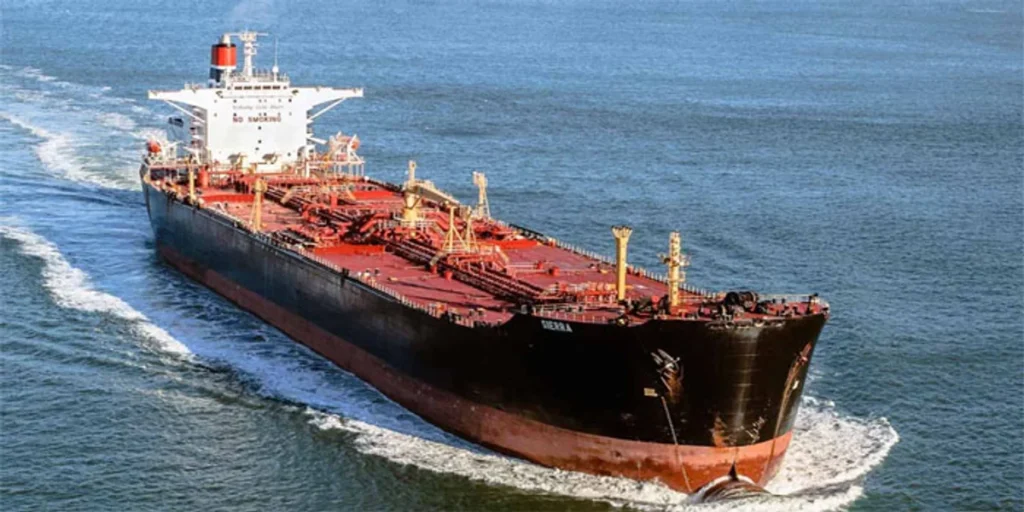
Nigeria recorded a significant decline in government oil revenue during the first half of 2026, despite a substantial increase in international crude oil prices, highlighting persistent production and fiscal challenges in the country’s petroleum industry.
Figures from the Federal Government’s Second Quarter and Half-Year 2026 Budget Implementation Report showed that gross oil revenue declined to ₦7.88 trillion between January and June 2026, compared with approximately ₦9.32 trillion recorded during the corresponding period of 2025.
The decline of ₦1.44 trillion represents a 15.45 per cent year-on-year contraction. It also means the government generated considerably less revenue from the petroleum sector despite favourable movements in international crude oil prices.
The revenue performance was particularly concerning because international crude oil prices averaged $104.52 per barrel in the second quarter of 2026, compared with $74 per barrel during the corresponding period of 2025.
This represented a 41.23 per cent increase in the average international oil price. The price was also approximately 61.17 per cent above Nigeria’s 2026 budget benchmark of $64.85 per barrel.
However, the increase in crude oil prices did not translate into higher government receipts because of production constraints, lower oil sales, petroleum tax shortfalls and deductions from oil revenue.
The ₦7.88 trillion generated during the first six months of the year was also substantially below the government’s half-year revenue target of ₦18.65 trillion.
This means oil revenue achieved only 42.22 per cent of the budget projection, leaving a shortfall of approximately ₦10.78 trillion.
Production challenges continue to limit revenue
Nigeria’s inability to fully benefit from higher international crude oil prices remains closely connected to its production challenges.
Average crude oil production increased to approximately 1.72 million barrels per day in the second quarter of 2026, compared with 1.68 million barrels per day during the corresponding period of 2025.
Although this represented an improvement, production remained below the government’s budget benchmark of 1.84 million barrels per day.
The difference of approximately 120,000 barrels per day represents a 6.52 per cent shortfall against the target.
Production improved from approximately 1.55 million barrels per day in the first quarter, suggesting that output was gradually recovering. However, the improvement was insufficient to generate the revenue originally anticipated in the budget.
The Budget Office identified lower oil production and lifting volumes, inadequate investment, longstanding production constraints and high fiscal deductions under the Petroleum Industry Act as factors affecting revenue performance.
Crude oil theft, pipeline vandalism, security concerns, inadequate infrastructure and regulatory uncertainty have also continued to undermine the country’s ability to maximise petroleum receipts.
Petroleum taxes account for the largest revenue shortfall
A breakdown of the first-half figures showed that petroleum profit and gas taxes generated approximately ₦2.92 trillion, against a budget projection of ₦11.96 trillion.
This represented a shortfall of approximately ₦9.05 trillion, or 75.62 per cent, making it the largest contributor to the overall revenue deficit.
Gross profit oil from crude oil and gas sales generated ₦285.64 billion, compared with a projected ₦1.17 trillion. This represented a shortfall of approximately ₦884.81 billion.
Oil and gas royalties performed relatively better, generating ₦4.07 trillion against a target of ₦5.42 trillion. Nevertheless, the government still missed its projection by approximately ₦1.35 trillion.
Royalties accounted for approximately 51.65 per cent of total gross oil revenue during the period, making them the largest component of reported petroleum receipts.
Gas-flaring penalties also generated ₦324.56 billion during the first half of the year, despite having no initial budgetary provision.
Implications for government finances
The revenue performance highlights the risks associated with relying on international crude oil prices without addressing domestic production and collection challenges.
Higher oil prices can improve Nigeria’s fiscal position, but the benefits remain limited when production volumes, petroleum tax collections and oil sales receipts fall below expectations.
The ₦10.78 trillion shortfall against the half-year oil revenue target also creates additional pressure on the government’s financing plans, particularly as oil revenue remains an important source of funding for public expenditure.
For Nigeria to benefit more consistently from favourable international oil prices, improving production capacity, securing petroleum infrastructure, attracting investment and strengthening revenue collection will remain essential.
The figures ultimately show that the country’s oil revenue challenge is not simply about the price of crude oil. Its ability to produce, sell and collect the proceeds from its petroleum resources remains equally important.




