
Nigeria’s Real Estate Sector Contributes 13.1% to GDP as Housing Affordability Worsens
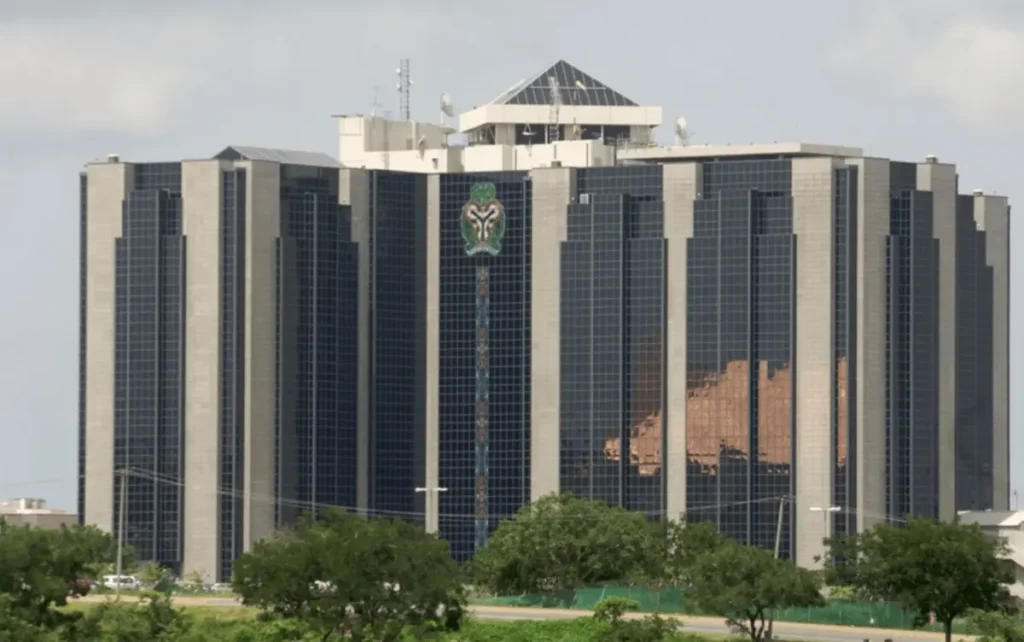
Nigeria’s real estate sector accounted for 13.10% of real gross domestic product in the first quarter of 2026, while the construction sector expanded by 6.38% year-on-year, underscoring the importance of property development and infrastructure activity to the country’s economy.
The figures were highlighted in Knight Frank’s first-half 2026 Lagos Market Update, released on Monday. The report examined developments in residential, commercial and industrial property markets, with particular attention to Lagos, Abuja and Port Harcourt.
Despite the sector’s contribution to economic activity, the report identified high development costs, limited formal housing supply and affordability pressures as important challenges affecting property owners, developers, tenants and investors.
In Lagos, demand for housing continues to outstrip the supply of affordable formal accommodation in several locations. This has contributed to significant rent increases in premium districts, including Ikoyi, Victoria Island, Banana Island and Lekki Phase 1, where rents have more than doubled since 2023, according to the report.
As housing costs rise, tenants are increasingly looking for lower-cost options on the mainland, including studio apartments, mini-flats and two-bedroom properties. The shift suggests that affordability is playing a growing role in determining where households live and what types of accommodation they can afford.
For landlords and developers, the trend creates a market in which demand remains substantial but is increasingly divided between premium housing and more affordable units. Investors may need to pay closer attention to local income levels and tenant budgets rather than assuming that high demand will translate into strong returns across every property category.
Infrastructure development is also influencing the geography of real estate investment. Rail expansion and improvements along the Lekki-Epe corridor are supporting interest in emerging suburban locations such as Ajah, Sangotedo and Ibeju-Lekki.
Improved transportation can make previously less accessible areas more attractive to residents and businesses. However, the long-term benefits depend on the completion and reliability of infrastructure, access to utilities and the availability of supporting services.
Commercial property markets are also showing different patterns across asset classes. In Lagos, Grade A office rents have stabilised at around $55 per square metre per month, with landlords offering fit-out contributions, concessions and more flexible lease arrangements to retain tenants.
Industrial Grade A space in Alaro City and the Lagos Free Zone commands rents of approximately $4 to $6.50 per square metre per month. Retail demand, meanwhile, is increasingly favouring convenience-led and neighbourhood shopping formats.
In Abuja, capital values in districts such as Guzape I and II increased by between 20% and 30%, according to Knight Frank. Established areas including Maitama, Asokoro and Wuse 2 are undergoing urban regeneration, supported by diaspora investment and demand for modern office environments. Commercial rents in the capital reportedly increased by more than 10% in the first half of the year.
In Port Harcourt, the oil and gas industry continues to underpin demand for modern housing, commercial facilities and industrial properties. Older commercial assets are facing greater pressure to refurbish to meet changing occupier expectations.
Knight Frank Nigeria Chief Executive Officer Frank Okosun said property performance was becoming increasingly dependent on location and asset type. He also stressed that investors and developers must account for affordability, operating costs and demonstrated demand.
For Nigeria’s wider economy, real estate supports construction, building materials, professional services, transport and employment. But rising rents and expensive development costs can also make it harder for workers and businesses to secure suitable accommodation and commercial space.
The sector’s contribution to GDP therefore tells only part of the story. Sustainable growth will require more housing supply, better infrastructure and development models that respond to the purchasing power of households and the operating needs of businesses.




