
Nigeria’s Oil and Gas Industry Generates ₦27.41 Trillion in Three Years as 59% of Companies Fail Gas-Flare Compliance
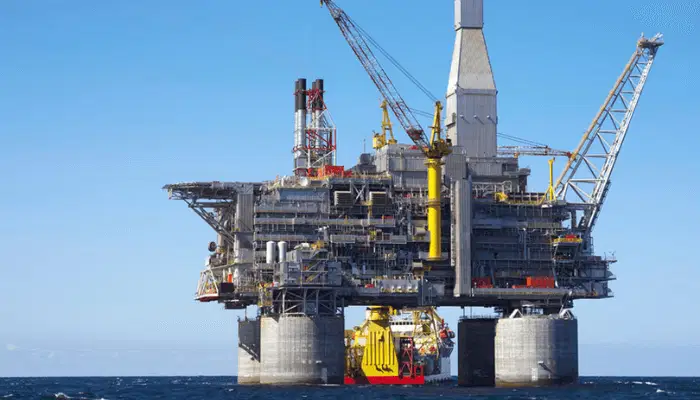
Nigeria’s oil and gas industry generated a combined ₦27.41 trillion in revenue between 2023 and 2025, even as the country recorded worsening gas-flaring performance and nearly 60 per cent of companies failed to comply with regulatory requirements for eliminating or monetising routine gas flaring.
The figures were contained in the 2025 Annual Report of the Nigerian Upstream Petroleum Regulatory Commission, which provides an overview of the sector’s revenue performance, production activities and compliance with environmental obligations.
According to the report, the commission generated ₦4.43 trillion in 2023, before revenue increased sharply to ₦12.56 trillion in 2024. The figure subsequently declined to ₦10.42 trillion in 2025.
Despite the combined revenue of ₦27.41 trillion over the three-year period, the 2025 outturn fell short of the commission’s ₦16.53 trillion budget by 36.97 per cent.
The decline highlights the volatility of government revenue from the petroleum sector, which remains heavily influenced by crude oil production, international prices, royalty payments and other industry-related receipts.
Oil and gas royalties, Project Gazelle and NNPC receivables collectively contributed ₦8.97 trillion to the commission’s 2025 revenue, representing 86.08 per cent of the total.
However, the report also exposed a significant gap between the sector’s financial performance and its environmental obligations.
Nigeria produced 2.73 trillion cubic feet of natural gas in 2025, of which 0.216 trillion cubic feet was flared. This represented 7.93 per cent of total gas production, compared with 7.61 per cent in 2024.
The increase indicates that a larger proportion of the country’s gas output was wasted through flaring despite regulatory efforts to reduce emissions and improve the commercial utilisation of natural gas.
Gas flaring occurs when natural gas produced during oil operations is burned rather than captured, processed or transported for productive use.
The practice contributes to greenhouse gas emissions and represents a loss of potential economic value, particularly for a country seeking to expand domestic gas utilisation for electricity generation, manufacturing and industrial development.
The NUPRC attributed the increase partly to higher associated gas production from new industry entrants whose gas-handling infrastructure was not fully operational.
It also identified operational difficulties involving gas reinjection compressors on the Agbami Floating Production Storage and Offloading vessel following turnaround maintenance as a factor contributing to the increase in flaring during December 2025.
The report showed that the gas-flaring rate reached 9.41 per cent in December.
A major concern was the level of compliance with the country’s gas-flaring elimination and monetisation framework.
Of the 59 companies directed to submit Flare Elimination and Monetisation Plans, only 24 complied, leaving 35 companies, representing approximately 59 per cent, in default.
The commission said it had issued final compliance notices to the affected companies, requiring them to submit or update their plans.
It also warned that continued failure to comply could attract administrative penalties, suspension of flare permits and other enforcement measures under the Petroleum Industry Act.
The scale of non-compliance raises questions about the effectiveness of enforcement, particularly as Nigeria seeks to position natural gas as a major source of domestic energy supply and export earnings.
The report also identified gaps in the monitoring infrastructure needed to establish accurate gas-flaring volumes.
Nigeria had 110 flare sites comprising 128 flare points operated by 51 companies. Although 122 flare meters had been installed, representing 95.3 per cent compliance with the relevant metering requirements, 12 flare points remained without meters.
Accurate measurement is important because it allows regulators to establish the volume of gas being flared, calculate applicable penalties and assess whether operators are meeting their environmental obligations.
The report also showed that gas flaring was concentrated among a relatively small number of major operators. NNPC Exploration and Production Limited recorded the highest average daily flare volume at approximately 150 million standard cubic feet per day, followed by Seplat Energy Producing Nigeria Unlimited at nearly 90 million standard cubic feet per day.
Other major contributors included Renaissance, Chevron Joint Venture and Antan.
For Nigeria, reducing gas flaring could provide benefits beyond environmental protection. Capturing gas that would otherwise be burned could increase the supply available for power generation, industrial users and export markets.
However, achieving that objective requires investment in gathering systems, processing facilities, pipelines and other infrastructure that can transport gas from production sites to consumers.
The figures therefore present a mixed picture of the petroleum sector: substantial revenue generation alongside persistent production, infrastructure and environmental compliance challenges.
The industry’s ability to translate its financial value into broader economic benefits will depend partly on whether regulators can improve enforcement and ensure that operators invest in the infrastructure required to capture and commercialise more of Nigeria’s natural gas resources.




