
Nigeria’s Foreign Exchange Turnover Falls 51% to $1.81 Billion in One Week
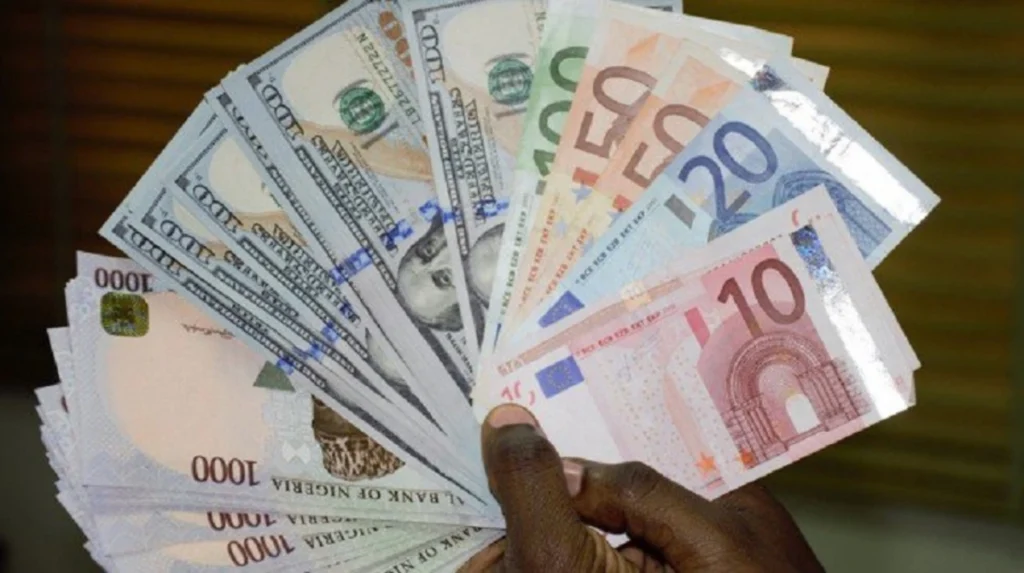
The value of transactions in Nigeria’s foreign exchange market declined by 51.29% to $1.81 billion in the week ended November 6, 2026, reflecting a sharp reduction in dollar trading activity among authorised dealers and their customers.
Data from FMDQ showed that weekly foreign exchange turnover fell from $3.71 billion in the preceding week to $1.81 billion, representing a decline of approximately $1.90 billion.
Average daily turnover also dropped to $361.67 million from $742.51 million, indicating a significant slowdown in the volume of transactions taking place in the official foreign exchange market.
The decline was driven primarily by reduced activity in the spot market, which accounts for transactions involving immediate or near-immediate delivery of foreign currency.
Spot foreign exchange turnover fell by 50.91% to $1.79 billion from $3.64 billion in the preceding week. The segment accounted for approximately 98.77% of total foreign exchange transactions during the reporting period.
Average daily spot transactions declined to $357.23 million from $727.74 million, reflecting the scale of the reduction in immediate dollar trading.
Forward transactions also recorded a significant contraction. Turnover in the segment fell by 69.93% to $22.20 million from $73.83 million in the preceding week.
Forward transactions accounted for approximately 1.23% of total turnover, compared with 1.99% previously. Average daily forward turnover dropped to $4.44 million from $14.77 million.
The decline in forward activity is also reflected in exchange-rate expectations across different maturities. The one-month forward rate depreciated by 0.2% to ₦1,370.19 per dollar, while the three-month rate weakened by 0.2% to ₦1,405.78.
The six-month forward rate depreciated by 0.2% to ₦1,455.88, while the one-year forward rate weakened by 0.6% to ₦1,557.65 per dollar.
The one-year maturity recorded the largest percentage movement among the reported forward tenors, indicating that the market continued to price in a weaker naira over a longer period.
The decline in trading activity coincided with a marginal depreciation of the naira. The currency weakened by approximately 0.1% week-on-week to ₦1,349 per dollar in the official market, despite a reported $50 million intervention by the Central Bank of Nigeria.
The combination of lower turnover and marginal currency depreciation raises questions about the depth of market activity and the availability of dollar liquidity during the week.
However, a reduction in weekly turnover does not automatically mean that the country has run out of foreign exchange. Turnover measures the value of transactions executed during a period, not the total stock of foreign reserves or the amount of dollars available across the entire economy.
Market activity can fluctuate because of changes in demand, supply, the timing of large transactions, corporate payment schedules and the willingness of market participants to execute trades.
Investors are also monitoring expected liquidity injections into the domestic financial system. Treasury bill maturities of approximately ₦148.57 billion and Open Market Operations maturities of ₦774.53 billion were expected during the week, bringing the combined amount to ₦923.10 billion.
The extent to which these maturities influence foreign exchange demand will depend on how investors deploy the funds and whether the resulting liquidity translates into additional demand for dollars.
The latest figures show that Nigeria’s foreign exchange market experienced a substantial slowdown in transaction volumes, even as the naira recorded only a marginal movement. Sustained currency stability will therefore depend not only on the exchange rate itself but also on the depth of the market, consistent dollar supply and confidence among businesses and investors.




