
Nigeria’s Debt Interest Bill Hits ₦7.7 Trillion in Six Months as Budget Transparency Concerns Mount
Nigeria’s Federal Government spent ₦7.7 trillion on interest payments in the first half of 2026, exceeding the ₦6.2 trillion in federal revenue recorded during the period, according to the World Bank’s latest assessment of the country’s public finances.
The figures have renewed concerns about the pressure debt obligations are placing on government spending, particularly as questions emerge over the publication of budget implementation reports and the different methods used to calculate Nigeria’s debt-service burden.
BusinessDay reported on Monday that Nigeria had not published its budget implementation reports since the third quarter of 2025, limiting public scrutiny of actual government revenue and expenditure. The absence of these reports makes it more difficult for citizens, investors and analysts to assess how closely spending follows approved budgets.
The World Bank’s report, Beyond the Federal Purse, put federal interest payments at 124.2% of federal revenue during the first half of 2026. The calculation suggests that interest obligations alone exceeded the revenue figure used in the report, leaving limited room for other spending without additional financing.
The debt position is substantial. Data from the Debt Management Office showed that Nigeria’s total public debt stood at ₦166.8 trillion at the end of June 2026. The Federal Government accounted for ₦152.7 trillion, or approximately 92% of the total, while the 36 states and the Federal Capital Territory owed a combined ₦14.1 trillion.
Although federal revenue increased by 72.2% year-on-year during the first half, interest payments also rose by 37.5%. The figures indicate that improved revenue mobilisation has not eliminated the fiscal pressure associated with existing debt.
The World Bank’s assessment also showed that total federal expenditure rose by 10.3% to ₦16.1 trillion during the six-month period, while capital expenditure stood at only ₦700 billion. Interest and personnel costs accounted for approximately 73.9% of total expenditure, according to the report.
The comparison has raised concerns about the resources available for infrastructure, healthcare, education and other services that can improve productivity and living standards. Nigeria’s 2026 budget allocated ₦3.52 trillion to education and ₦2.48 trillion to health for the full year, a combined ₦6 trillion.
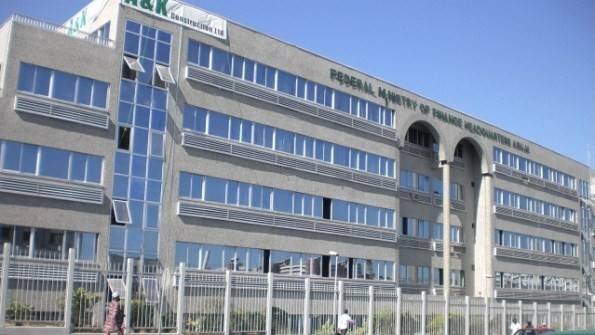
The Federal Ministry of Finance has disputed the interpretation of the World Bank’s figures. It argued that the calculation includes debt serviced by the Federal Government on behalf of other tiers of government and excludes certain revenues earned by government agencies and enterprises that have not been remitted to the Treasury.
The ministry also noted that revenue collection varies throughout the year and that second-half receipts can be stronger because of the timing of certain tax payments. It cited a full-year 2025 debt-service-to-revenue ratio below 60% and said the World Bank projected full-year 2026 debt service, including interest and principal repayments, at 46% of revenue.
These measures are not directly interchangeable: the World Bank’s figure concerns interest payments relative to revenue during the first half, while the ministry’s cited figures refer to total debt service and different reporting periods.
The disagreement makes the timely publication of official budget reports particularly important. Without comprehensive and regular data, it becomes harder to reconcile competing assessments and determine the true extent of the government’s fiscal constraints.
For businesses, heavy debt costs can also matter because government borrowing influences domestic interest rates and the availability of financing. Expensive credit can discourage firms from purchasing equipment, expanding production or hiring additional workers.
The World Bank has recommended limiting expensive borrowing, pursuing more concessional financing and extending debt maturities to reduce refinancing pressures. The broader challenge is to improve revenue collection while ensuring that a larger share of public resources remains available for productive investment.




