
Nigeria Customs Generates ₦1.42 Trillion in Two Months as Cargo Declarations Approach 100,000
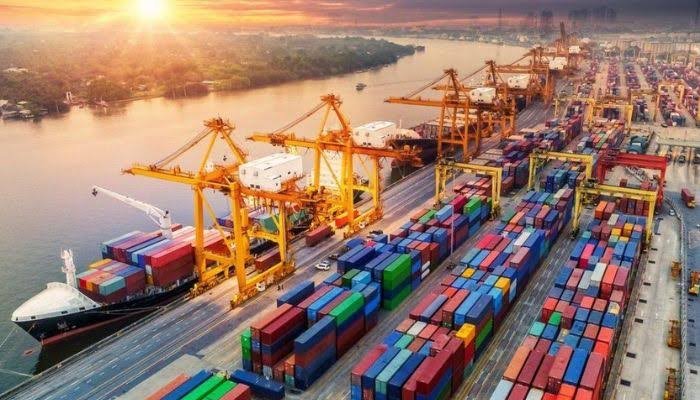
The Nigeria Customs Service (NCS) generated approximately ₦1.42 trillion in revenue between September and October 2026, while processing nearly 100,000 goods declarations, reflecting the scale of revenue collection and trade documentation handled by the agency during the two-month period.
Figures disclosed by the Service showed that revenue collections reached ₦697.84 billion in September before increasing to ₦722.91 billion in October. The combined collection of ₦1.42 trillion represents an increase of approximately ₦25.07 billion between the two months.
The Service processed 99,839 Single Goods Declarations (SGDs) during the period. These declarations are part of the documentation required for the processing and clearance of imported and exported goods through Nigeria’s customs system.
A monthly breakdown showed that 48,832 declarations were processed in September, while October accounted for 51,007. This indicates an increase of 2,175 declarations between the two months.
Customs also processed 9,195 Pre-Arrival Assessment Reports (PAARs), comprising 2,102 in September and 7,093 in October. The PAAR system provides an assessment of import documentation and cargo information before goods arrive in the country, supporting the customs valuation and clearance process.
The figures were disclosed during a joint security briefing at the National Counter Terrorism Centre under the Office of the National Security Adviser. The Customs Service said the performance reflected its efforts to improve legitimate trade, strengthen revenue collection and make cargo clearance more efficient through digital interventions and collaboration with other agencies.
Beyond import-related processing and revenue collection, the Service reported an increase in export trade facilitation through the Lilypond Export Command.
Export activities processed through the command were valued at $752.85 million in the third quarter of 2026, compared with $586.15 million in the corresponding period of 2025. This represents an increase of approximately 28.44%.
The development is significant for Nigeria’s efforts to expand non-oil exports and improve the contribution of internationally traded agricultural, manufactured and other locally produced goods to foreign exchange earnings.
The Customs Service also reported seizures of prohibited and restricted items with a combined Duty Paid Value exceeding ₦8.1 billion during the period. The intercepted goods included illicit drugs, pharmaceutical products, prohibited merchandise and petroleum products.
The agency said it was continuing to strengthen its enforcement capacity through collaboration with relevant regulatory and security institutions.
As part of efforts to address trade-based money laundering and other illicit financial activities, the Service also highlighted an ongoing mentoring programme with the World Customs Organisation. The four-week engagement, which began in October and is scheduled to run until November 13, is designed to improve the agency’s capacity to identify and investigate suspicious cross-border trade transactions.
The programme has involved engagements with several Nigerian institutions, including the Economic and Financial Crimes Commission, the Nigeria Financial Intelligence Unit and the National Counter Terrorism Centre.
Customs also highlighted its transition to an electronic currency declaration platform, which is intended to improve transparency, strengthen monitoring and support the detection of illicit financial flows across Nigeria’s borders.
The ₦1.42 trillion collection provides a snapshot of the revenue contribution of customs operations, although the figure covers only September and October and should not be interpreted as the agency’s total revenue for 2026.
The broader economic significance of the figures will depend not only on the amount collected but also on whether improvements in documentation and clearance translate into faster cargo movement, lower trade costs, stronger export activity and more predictable procedures for businesses operating across Nigeria’s borders.




