Naira Holds Strong at N1,762 Per Pound Despite CBN Rate Cut
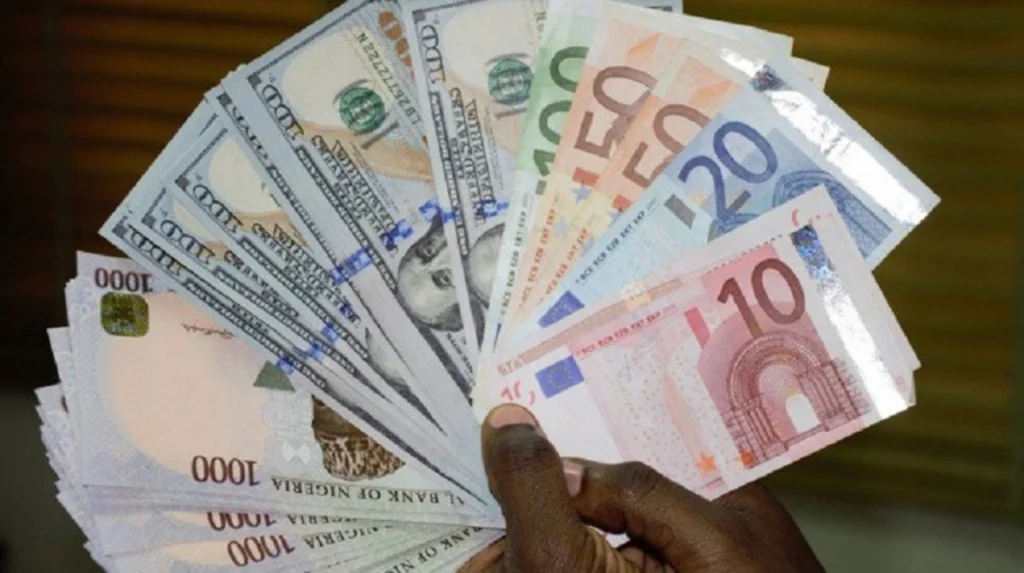
The naira has maintained its recent strength against the British pound, with the currency pair falling further despite the Central Bank of Nigeria’s (CBN) decision to cut its benchmark interest rate.
CBN-linked exchange-rate data showed the GBP/NGN rate at about N1,762 per pound at the mid-week trading session, with the September 23 mid-rate recorded at N1,762.25/£. (Fexant)
The movement extends a broader decline in the pound-to-naira exchange rate from around N1,800/£ at the beginning of September to the mid-N1,700 range.
The pair had been trading around N1,948/£ at the beginning of 2026, meaning the current rate represents a substantial decline in the amount of naira required to purchase one pound.
What you should know
A lower GBP/NGN rate means that the naira has strengthened relative to the pound.
At N1,762/£, someone requiring £1,000 would need about N1.76 million, compared with approximately N1.95 million at the N1,948 level recorded at the beginning of the year.
The recent movement is notable because it has occurred shortly after the CBN reduced its Monetary Policy Rate by 350 basis points from 26.5% to 23%.
Normally, lower domestic interest rates can reduce the relative attractiveness of naira-denominated assets to foreign investors, potentially creating pressure on the currency.
However, the CBN has characterised the latest adjustment as an operational reset designed to restore the MPR’s effectiveness as a market signal, rather than simply a conventional shift toward looser monetary policy.
Pound-to-naira rate falls below N1,800
The GBP/NGN exchange rate has been on a downward trajectory since the beginning of September.
CBN-linked data put the mid-rate at:
- N1,799.50/£ on September 1
- N1,801.47/£ on September 9
- N1,793.84/£ on September 11
- N1,785.46/£ on September 14
- N1,793.01/£ on September 15
- N1,776.49/£ on September 18
- N1,780.33/£ on September 21
- N1,773.64/£ on September 22
- N1,762.25/£ on September 23. (Fexant)
This shows that the recent movement has not been a single-day change but part of a broader decline in the exchange rate.
Naira has strengthened significantly from the beginning of the year
The movement is even more pronounced when compared with the beginning of 2026.
At around N1,948/£, the pound was considerably more expensive in naira terms.
At N1,762, the exchange rate is about N186 lower per pound, representing a decline of roughly 9.6% in the GBP/NGN rate.
For Nigerians who need to make payments in pounds, such as students, travellers, importers and businesses with sterling-denominated obligations, a lower exchange rate reduces the naira cost of acquiring the same amount of pounds, all else being equal.
The rate cut has not immediately weakened the naira
The CBN’s 350-basis-point rate reduction could ordinarily create some pressure on the naira because lower domestic yields can reduce the incentive for investors to hold naira assets.
Yet the exchange-rate data shows no immediate deterioration in the naira’s position against sterling.
The reason is that exchange rates are determined by several forces at once.
Foreign-exchange supply, demand, portfolio flows, oil receipts, remittances, market liquidity and expectations can all influence the naira independently of the policy rate.
The CBN’s latest policy decision also retained existing cash-reserve requirements for banks while recalibrating the Standing Facilities Corridor, meaning the rate reduction did not represent a blanket removal of all monetary constraints.
Improved dollar liquidity remains important
Although GBP/NGN is a direct cross-currency rate, developments in the dollar market can have a major influence on the pair.
The naira’s value against the pound is partly determined by the relationship between GBP/USD and USD/NGN.
When dollar liquidity improves and the naira strengthens against the dollar, that can feed through into the naira’s value against other major currencies, including sterling.
Recent official-market conditions have benefited from stronger foreign-exchange liquidity and higher external buffers.
Nigeria’s gross external reserves have also risen to around $55 billion, according to recent reporting, providing a larger buffer for the official FX market.
The pound’s own movement also matters
The GBP/NGN rate should not be interpreted entirely as a measure of naira strength.
The exchange rate reflects the relative value of both currencies.
Therefore, a decline in GBP/NGN can occur because the naira strengthens, because the pound weakens, or because both happen simultaneously.
Recent GBP/NGN market data also shows the pair declining through September, with international market references moving from around N1,842 in late August to the mid-N1,750 range by September 24.
This makes it important to distinguish Nigeria-specific currency developments from movements in the British pound itself.
What this means for Nigerians paying in pounds
The current exchange rate provides some relief for Nigerians with sterling-denominated expenses.
Students paying tuition in the UK, families supporting relatives abroad and businesses importing goods priced in pounds would require fewer naira to purchase the same amount of sterling compared with the beginning of the year.
For example, £10,000 at N1,948/£ would cost about N19.48 million.
At N1,762/£, the same amount would cost approximately N17.62 million.
That is a difference of about N1.86 million.
However, actual transaction rates can differ from the published official reference rate depending on the financial institution, transaction channel and applicable charges.
Exporters face the opposite effect
A stronger naira is not universally positive for everyone.
Nigerian businesses earning revenue in pounds or other foreign currencies would receive fewer naira when converting the same foreign-currency earnings.
For example, a UK-facing Nigerian exporter receiving £1 million would generate less naira revenue at N1,762/£ than at N1,948/£.
This creates a trade-off between lower import costs and lower naira proceeds from foreign-currency earnings.
What investors should watch
The sustainability of the naira’s recent strength will depend on several factors:
- Official-market FX liquidity.
- Nigeria’s foreign-exchange reserves.
- Crude-oil production and prices.
- Diaspora remittance inflows.
- Foreign portfolio investment.
- Non-oil export receipts.
- Demand for foreign currency from importers.
- CBN liquidity-management operations.
- The effectiveness of the new monetary-policy framework.
- The direction of the British pound against the US dollar.
The key issue is whether stronger FX supply can continue to offset foreign-currency demand as the CBN transitions to its new policy framework.
The bigger picture
The naira’s movement to around N1,762 per pound is significant because it shows that the currency has maintained its recent strength even after the CBN reduced the MPR from 26.5% to 23%.
But the movement should not be interpreted as evidence that the rate cut has no effect on the currency.
Exchange rates respond to multiple factors, and the CBN itself has described the latest MPR adjustment primarily as an operational reset to improve monetary-policy transmission.
For now, stronger FX liquidity, higher external reserves and market conditions appear to have provided support for the naira, while movements in the pound itself have also contributed to the lower GBP/NGN rate.
The more important test will be whether the naira can sustain this relative strength as monetary conditions adjust and as investors reassess the returns available on Nigerian assets.
For households and businesses with sterling obligations, however, the immediate effect is straightforward: fewer naira are currently required to buy pounds than at the beginning of the year.