
Food Inflation Exceeds 20% in 19 Nigerian States Despite National Decline
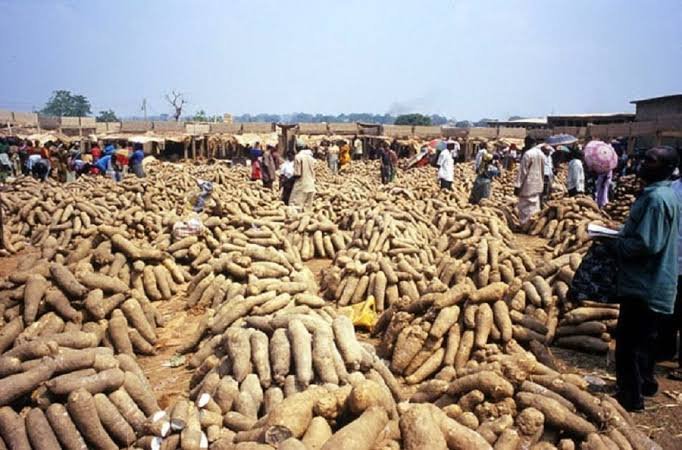
Food inflation exceeded 20% in 19 of Nigeria’s 36 states in October 2026, highlighting the uneven distribution of food price pressures despite a moderation in the national inflation rate.
The latest figures show that more than half of the states experienced annual food inflation above 20%, with Ondo, Lagos and Imo recording the highest rates.
According to the National Bureau of Statistics’ October Consumer Price Index report, national year-on-year food inflation declined to 19.13% from 19.59% in September. The latest figure, however, remains above the 16.30% recorded in October 2025, indicating that food prices are still substantially higher than they were a year earlier.
Ondo recorded the highest annual food inflation at 31.74%, compared with 31.49% in September. Lagos followed with 31.43%, although this represented an improvement from 34.40% in the preceding month.
Imo ranked third at 29.75%, down from 33.79%, while Oyo recorded 28.81%, compared with 24.50% in September. Ebonyi also experienced a significant increase, with annual food inflation rising to 27.96% from approximately 22% in the previous month.
Rivers recorded 25.33%, while Abia and Delta posted 24.22% and 23.91%, respectively. Enugu recorded 23.48%, Zamfara 22.88%, Ogun 22.47%, Yobe 22.26%, Anambra 22.23% and Kebbi 22.21%.
The other states above the 20% threshold were Akwa Ibom at 21.56%, Edo at 21.52%, Sokoto at 21.40%, Ekiti at 20.61% and Kaduna at 20.32%.
The figures show that two states recorded annual food inflation above 30%, while six exceeded 25%. This contrasts with the national rate of 19.13% and demonstrates why the national inflation figure alone may not fully reflect the cost-of-living experience in individual states.
Monthly food inflation, however, presented a different picture.
At the national level, food prices declined by 0.75% in October, marking the second consecutive month of monthly price reductions. The decline was nevertheless slower than the 1.55% reduction recorded in September.
This distinction is important because annual inflation measures the change in prices over a 12-month period, while monthly inflation captures price movements between consecutive months. A state can therefore record a high annual inflation rate even when food prices are declining from the previous month.
The state-level figures also revealed considerable differences in monthly price movements.
Lagos recorded a monthly food price decline of 5.93%, while Kaduna fell by 4.7%. Rivers and Delta recorded reductions of 4.3% and 3.8%, respectively, while Oyo recorded a decline of 2.6%.
However, some states experienced renewed monthly pressure. Yobe recorded monthly food inflation of 18.41%, while Kebbi and Sokoto posted 16.45% and 13%, respectively. Zamfara recorded 8.7%, while Anambra posted 4.3%.
The divergent figures suggest that food price developments are being influenced by local supply conditions, transportation costs, market access and differences in the composition of household food consumption.
The NBS attributed the national movement in food prices to changes in the prices of commodities including vegetable oil, sardines, green peas, frozen fish, local rice, fresh catfish, beef tripe, palm oil and millet flour.
Analysts have also pointed to the seasonal influence of agricultural harvests. The increase in the availability of some locally produced commodities during the harvest period can moderate food prices, while the gradual movement away from peak harvest periods may place renewed pressure on supply.
Transportation costs remain another important factor. Higher fuel and logistics expenses can increase the cost of moving agricultural produce from farming communities to major consumption centres, particularly where storage and distribution infrastructure is inadequate.
The figures come as the Federal Government pursues additional agricultural interventions, including plans to release stored grains and distribute three million bags of fertiliser. The government has also highlighted mechanisation, agricultural financing and increased production as priorities for improving food security.
However, the latest state-level data show that lower national food inflation does not necessarily mean that households across the country are experiencing similar reductions in food costs.
For consumers in states such as Ondo, Lagos and Imo, annual food inflation remains above 29%, putting continued pressure on household purchasing power.
The challenge for policymakers is therefore not only to reduce the national inflation rate but also to improve food availability, distribution and affordability across individual states.
Sustained improvements will depend on higher agricultural productivity, better rural infrastructure, security for farmers, affordable inputs, improved storage facilities and more efficient transportation networks.




