
CBN Sets ₦15 Billion Capital Requirement for Dollar Stablecoin Issuers
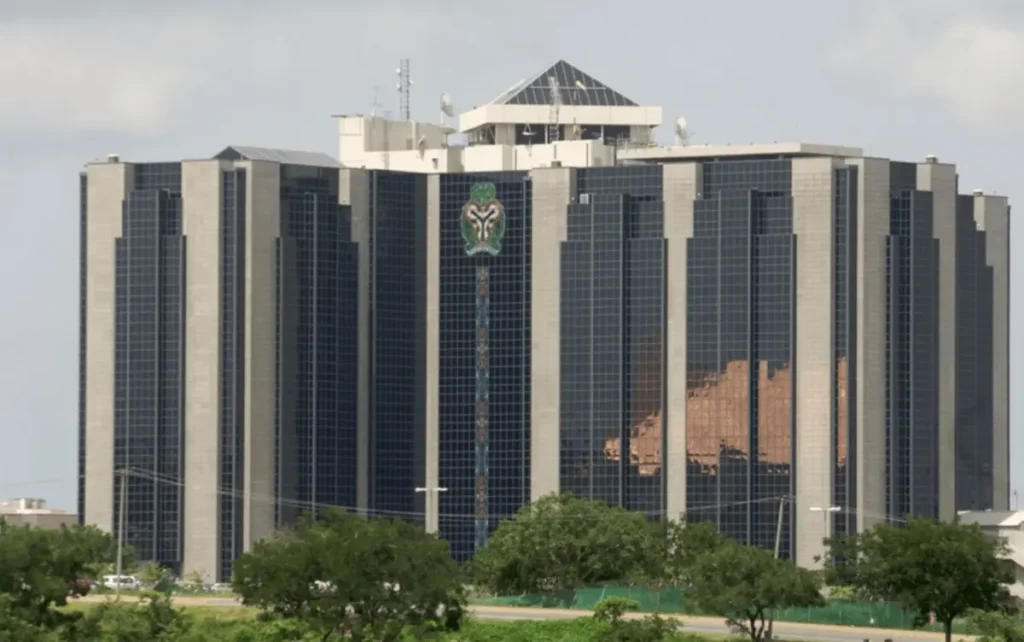
The Central Bank of Nigeria (CBN) has introduced new capital, reserve and operational requirements for stablecoin issuers and other virtual asset service providers operating in or targeting the Nigerian market, establishing a more comprehensive regulatory framework for the country’s growing digital asset industry.
Under the new regulations, companies seeking to issue foreign currency-backed stablecoins, including those pegged to the US dollar, must maintain a minimum paid-up capital of ₦15 billion. Issuers of naira-backed stablecoins are required to maintain at least ₦10 billion, while other virtual asset service providers must meet a minimum capital requirement of ₦1 billion.
The requirements are contained in the CBN’s Regulations for the Operations of Non-Security Virtual Assets in Nigeria, issued on November 5, 2026. The framework took effect on the same date and covers stablecoin issuance, digital asset payment services, custody, transfers, remittances, peer-to-peer transactions and related activities.
The new framework represents a significant expansion of the CBN’s oversight of digital financial services. It establishes licensing and authorisation requirements for operators, alongside rules governing capital adequacy, reserve management, liquidity, cybersecurity, consumer protection and anti-money laundering compliance.
One of the central provisions concerns the backing of stablecoins. Issuers are required to maintain reserve assets sufficient to cover the full value of their outstanding tokens, alongside an additional reserve buffer of at least 2% of the value of stablecoins in circulation. The rules also prohibit issuers from creating new tokens before receiving the corresponding reserve assets.
The regulations further require issuers to maintain sufficient liquidity to meet redemption requests. Valid stablecoin redemption requests must generally be completed no later than the end of the business day following the day the request is received.
For naira-backed stablecoins, the framework also requires issuers to maintain at least 20% of their reserve pool in a dedicated account with the CBN. In addition, at least 40% of the reserve pool must be held in cash or qualifying high-quality liquid assets, separate from the CBN reserve deposit.
The new requirements are intended to reduce the risk of issuers creating tokens without adequate backing, mismanaging customer reserves or failing to honour redemption requests during periods of financial stress.
The framework also strengthens the CBN’s ability to monitor the relationship between digital assets and Nigeria’s financial system. It requires operators to implement customer identification procedures, transaction monitoring, sanctions screening, cybersecurity controls and regulatory reporting systems.
The rules apply not only to companies physically established in Nigeria but also to operators conducting regulated activities from outside the country where their services are directed at Nigerian customers or could materially affect the domestic financial system.
The CBN’s framework does not replace the Securities and Exchange Commission’s authority over digital assets classified as securities or investment products. Activities falling under both regulators may require approvals from the relevant authorities.
For Nigeria’s cryptocurrency and fintech industry, the higher capital thresholds could increase the cost of entering the regulated stablecoin market and encourage consolidation among operators. Smaller firms may find it more difficult to obtain the necessary capital, while established financial institutions and better-funded technology companies could be better positioned to meet the requirements.
The regulations also introduce a more formal operating environment for stablecoin issuers, potentially improving confidence in reserve-backed digital payment instruments while increasing compliance obligations for businesses serving Nigerian users.




