
CBN Absorbs ₦3.46 Trillion from Banking System as Treasury Bills Demand Exceeds ₦2 Trillion
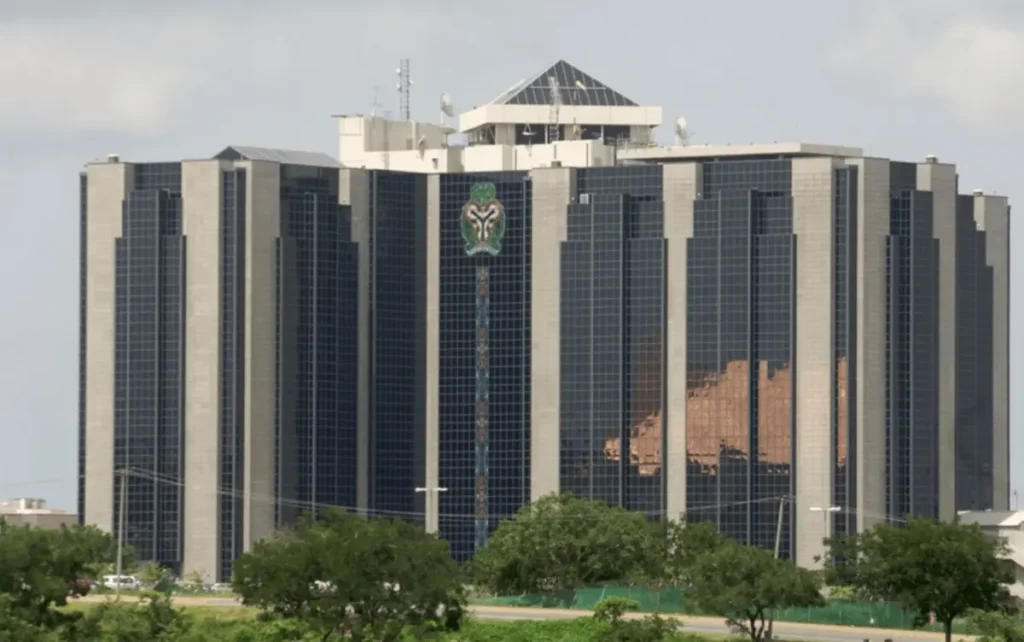
The Central Bank of Nigeria absorbed approximately ₦3.46 trillion from the financial system through its Open Market Operations (OMO) and Treasury Bills auctions conducted between November 3 and November 4, 2026, as monetary authorities intensified efforts to manage liquidity in the banking system.
The operations comprised approximately ₦2.95 trillion raised through the CBN’s OMO auction on November 3 and another ₦509.4 billion allotted at the Federal Government’s Treasury Bills auction on November 4.
The combined amount represents a significant liquidity withdrawal, particularly as the banking system entered November with substantial funds available for investment.
CBN raises ₦2.95 trillion through OMO
At the November 3 OMO auction, the CBN offered ₦1.5 trillion across 119-day, 126-day and 133-day instruments.
Investor subscriptions reached approximately ₦3.52 trillion, representing demand more than twice the amount offered.
The CBN subsequently allotted ₦2.95 trillion, significantly exceeding its initial offer.
The 133-day instrument attracted the largest demand, receiving approximately ₦2.36 trillion in subscriptions.
Stop rates were recorded at 17.77 per cent for the 119-day bill, 17.71 per cent for the 126-day instrument and 17.67 per cent for the 133-day bill.
The substantial allotment indicates that the CBN was willing to absorb more liquidity than initially advertised through the operation.
Treasury Bills auction attracts ₦2.04 trillion
The following day, the Debt Management Office conducted a Treasury Bills auction offering ₦800 billion across the 91-day, 182-day and 364-day tenors.
The auction attracted subscriptions of approximately ₦2.04 trillion, representing a bid-to-offer ratio of 2.56 times.
Despite the strong demand, the DMO allotted only ₦509.4 billion, leaving approximately ₦1.54 trillion in investor bids unallotted.
The 364-day instrument accounted for the largest share of subscriptions, attracting approximately ₦1.99 trillion against an offer of ₦600 billion.
The DMO allotted ₦461.84 billion to the one-year instrument, rejecting approximately ₦1.53 trillion in bids for that tenor.
The 91-day bill attracted subscriptions of about ₦25.01 billion, while the 182-day instrument received approximately ₦25.83 billion.
The respective stop rates remained unchanged at 15.40 per cent, 15.79 per cent and 15.80 per cent.
Why the CBN is absorbing liquidity
OMO instruments are used by the Central Bank to manage the amount of money available within the financial system.
When the CBN sells these securities, investors transfer funds to purchase them, temporarily reducing the liquidity available to banks and other market participants.
The approach can help moderate excess liquidity and manage monetary conditions, particularly when policymakers are concerned about inflationary pressures and exchange-rate stability.
The November operations came after banking-system liquidity increased substantially in October.
According to the Financial Markets Dealers Association, banking-system liquidity rose by 56.75 per cent to ₦7.373 trillion during October.
The market association also reported that the CBN’s OMO operation on November 3 was largely responsible for offsetting substantial maturities entering the financial system.
Government borrowing costs and investor demand
The latest Treasury Bills auction also highlighted the difference between investor demand and the government’s willingness to accept borrowing costs.
Although investors submitted more than ₦2 trillion in bids, the DMO accepted only ₦509.4 billion while maintaining the previous stop rates.
The average secondary-market Treasury Bills yield had increased by 43 basis points to 17.70 per cent on November 3 from 17.28 per cent on October 28.
This suggests that yields in the secondary market were adjusting even as the government maintained its primary auction pricing.
The difference between OMO and Treasury Bills rates also remains relevant to investors. The higher yields available on OMO instruments can attract funds away from Treasury Bills, influencing demand across the domestic fixed-income market.
For the broader economy, the scale of liquidity absorption could affect money-market conditions, bank lending and the availability of funds for private-sector activity.
The coming weeks will show whether the CBN maintains its aggressive liquidity-management approach as more government securities mature and additional funds enter the banking system.




