
Nigeria Proposes West African Bond Market Integration to Attract More Investment
Nigeria is proposing a series of regional capital market reforms aimed at making it easier for investors to buy and sell securities across West Africa, as the Federal Government seeks to expand access to long-term financing for infrastructure and economic development.
The Minister of Finance and Coordinating Minister of the Economy, Taiwo Oyedele, disclosed the proposals at the S&P Global Ratings Africa Summit in Lagos on Tuesday.
According to the minister, fragmented capital markets across the region have limited the ability of businesses and governments to access large pools of long-term investment. He argued that integrating the markets could create a deeper investment environment capable of attracting more domestic and international capital.
One of the proposals is the introduction of a regional passport system that would allow companies and other issuers approved in one participating market to raise capital in other markets without having to obtain separate regulatory approvals in every country.
The proposed arrangement is intended to reduce the administrative and regulatory barriers that currently make cross-border capital raising more complicated.
Nigeria is also advocating a unified investor identification system. Under the proposal, an investor registered in one participating market could purchase bonds and equities in other member countries without repeating the entire onboarding process.
Such an arrangement could make it easier for pension funds, asset managers, financial institutions and individual investors to diversify their portfolios across regional markets.
Another major component of the proposal involves linking trading, settlement and payment infrastructure across participating countries.
The government wants securities transactions to be settled more directly in local currencies, reducing the need for investors to depend on the US dollar for every cross-border transaction.
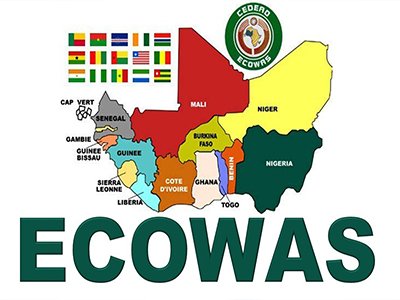
The proposed integration would cover 10 West African countries: Nigeria and Ghana, alongside Benin, Burkina Faso, Côte d’Ivoire, Guinea-Bissau, Mali, Niger, Senegal and Togo.
The eight francophone countries share the CFA franc and operate within a common central banking framework, while Nigeria and Ghana have their own currencies and monetary authorities.
Oyedele said existing regional initiatives could provide the foundation for the proposed integration. These include the West African Capital Markets Integration Council, the African Exchanges Linkage Project and the Pan-African Payment and Settlement System.
The government is also proposing a regional local-currency bond index to improve visibility into the performance of debt markets across participating countries.
Another proposal is the establishment of a credit enhancement facility that could support cross-border infrastructure financing by helping reduce investment risks and improve the attractiveness of projects to lenders and institutional investors.
The proposals come as African countries continue to face significant financing gaps in infrastructure, energy, transport, housing and other development priorities.
Fragmented capital markets can make it difficult for governments and companies to attract sufficient long-term financing because investors face different regulatory requirements, settlement arrangements, currencies and market structures across countries.
A more integrated market could increase the pool of available capital and create opportunities for investors to access a wider range of securities.
For Nigeria, the reforms could also strengthen the country’s position as a major financial centre in West Africa and increase the reach of its capital market.
Oyedele said Nigeria is targeting investment-grade credit ratings within three years and is pursuing a capital market worth at least $1 trillion under a 10-year capital market plan.
However, the proposed regional framework will require cooperation among governments, regulators, stock exchanges, central banks and financial institutions. Differences in market rules, taxation, currency arrangements and investor protections will have to be addressed before the system can operate effectively.
The proposals therefore represent a policy direction rather than an already operational regional bond market. Their success will depend on whether participating countries agree on common standards and build the infrastructure required to support cross-border investment.
If implemented, the reforms could improve access to financing for regional businesses and governments while giving investors more opportunities to diversify their holdings across West Africa.




