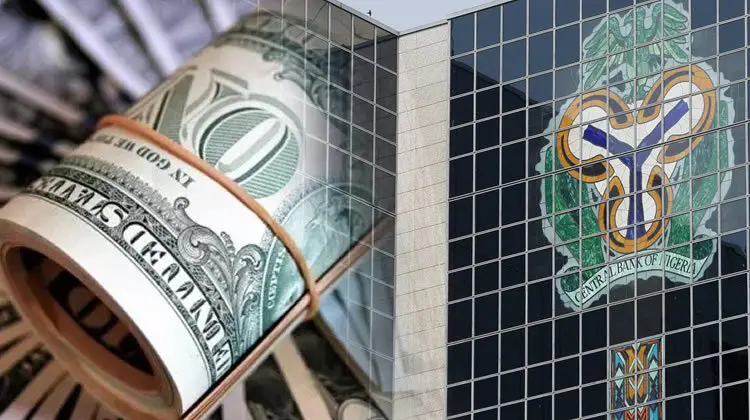
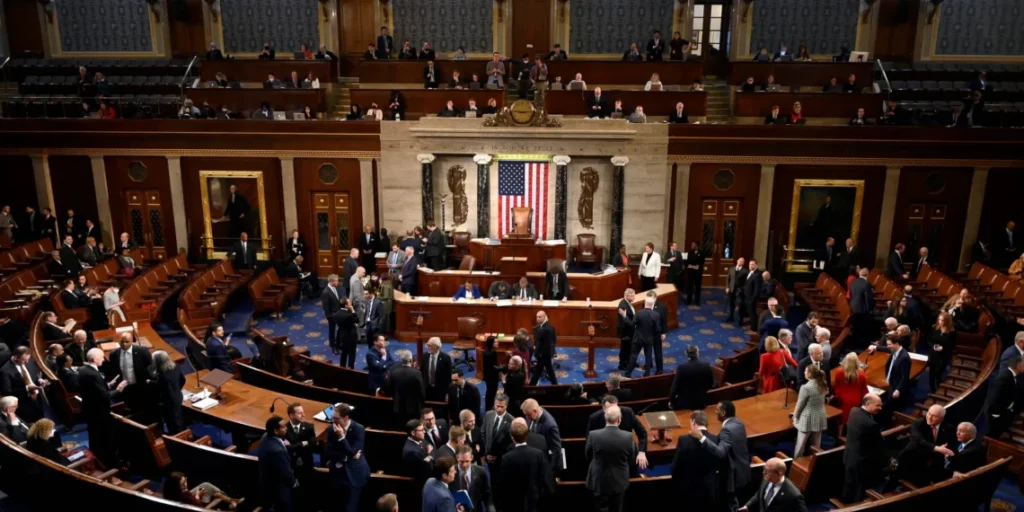
U.S. lawmakers are pushing for stricter conditions on Nigeria’s access to American aid, citing escalating security concerns, governance issues, and alleged lobbying efforts by Abuja in Washington. The move was revealed in a statement shared by Congressman Riley Moore, who outlined provisions in a proposed State Department funding bill aimed at tightening oversight and linking aid to measurable progress.
Under the proposal, up to 50% of certain U.S. assistance to Nigeria’s central government could be withheld until the Secretary of State confirms that the Nigerian government is taking “effective steps” to address violence, support victims, and facilitate the safe return of displaced communities. The bill also seeks to impose stricter congressional oversight through detailed spending plans and enhanced monitoring of both security and humanitarian funds.
Moore further alleged that Nigeria has spent millions of dollars lobbying U.S. lawmakers while failing to adequately address what he described as ongoing violence against Christians. He noted that the legislation prioritizes atrocity prevention, religious freedom, accountability within security forces, and humanitarian relief, while encouraging stronger responses to armed groups operating in affected regions. The framework, he said, reflects growing bipartisan concern in Congress, particularly regarding insecurity in Nigeria’s Middle Belt.
This proposal builds on a series of recent U.S. policy actions tied to Nigeria’s security situation. In October 2025, former President Donald Trump designated Nigeria as a “Country of Particular Concern,” citing widespread attacks on Christians and describing the situation as an existential threat to Christianity. He subsequently directed lawmakers to investigate and propose responses.
That directive led to a congressional report titled “Ending the Persecution of Christians in Nigeria,” which recommended a range of measures, including the use of economic pressure, strengthening Nigeria’s security and early-warning systems, implementing disarmament and reintegration programs for militias, and pursuing legal reforms targeting policing and extremist financing. The report also suggested potential sanctions, visa restrictions, and even trade measures such as restrictions on Nigerian beef exports to compel action.
Nigeria, however, has consistently rejected claims of targeted religious persecution, arguing that its security challenges stem from complex factors such as terrorism, banditry, and communal conflicts rather than religious bias. In response to growing criticism, reports in January 2026 indicated that the Nigerian government has been spending approximately $750,000 monthly on a U.S.-based lobbying firm to counter narratives of “Christian genocide” and influence opinion in Washington.
Despite tensions, both countries have maintained areas of cooperation. A Joint Working Group has been established to enhance defense and security collaboration, with the U.S. expressing willingness to expand intelligence sharing and accelerate defense support. In December 2025, a U.S. military strike targeting an ISIS base in northwest Nigeria—reportedly conducted with Nigerian support—highlighted ongoing joint efforts to combat terrorism.
The latest legislative push underscores increasing scrutiny in Washington over Nigeria’s handling of insecurity and signals a potential shift in how U.S. assistance to the country may be structured going forward, with greater emphasis on accountability, reform, and measurable outcomes.