
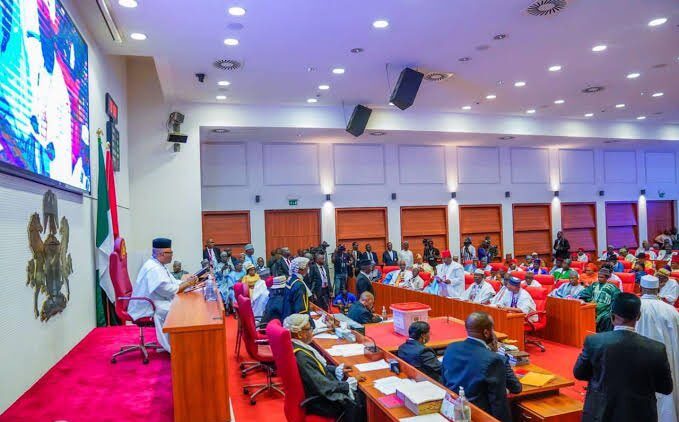
The proposed amendment comes at a time of growing concern over insecurity across Nigeria, particularly the persistence of mass kidnappings, banditry, and violent attacks in several parts of the country.
These security challenges have intensified calls for reforms to the nation’s policing structure, with many stakeholders advocating for greater decentralisation of law enforcement responsibilities.
Renewed debate over state policing
Supporters of decentralised policing argue that a centrally controlled police system has struggled to effectively address local security threats due to limited manpower, inadequate intelligence gathering, and delayed response times.
As a result, calls for the establishment of state police and other community-based security frameworks have gained traction among policymakers, governors, traditional institutions, and security experts.
Proponents believe that decentralised policing could:
- Improve local intelligence gathering.
- Enhance response to security threats.
- Increase accountability to local communities.
- Complement federal security efforts.
- Address unique security challenges in different regions.
Security concerns driving reform discussions
The debate has gained urgency as incidents of kidnapping for ransom, attacks on rural communities, and other forms of violent crime continue to affect lives and economic activities across parts of the country.
Many observers argue that strengthening local security structures has become increasingly important as criminal groups adopt more sophisticated tactics and expand their operations across state boundaries.
Concerns remain
Despite growing support for decentralised policing, critics have raised concerns about possible political interference, abuse of power by state governments, funding challenges, and coordination difficulties between federal and state security agencies.
These concerns have led to calls for robust constitutional safeguards, oversight mechanisms, and clear operational frameworks should any amendment be adopted.
Broader implications
The proposed amendment is therefore being viewed not only as a legislative change but also as part of a broader national conversation about security sector reform and the most effective way to address Nigeria’s evolving security challenges.
As discussions continue, the outcome is likely to shape the future structure of policing and internal security management across the country.