Nigeria’s formal remittance inflows hit record $947 million in July, up 50.2% in 2026
Nigeria recorded $947 million in remittance inflows through International Money Transfer Operators (IMTOs) in July 2026, marking the highest monthly inflow ever recorded through formal remittance channels.
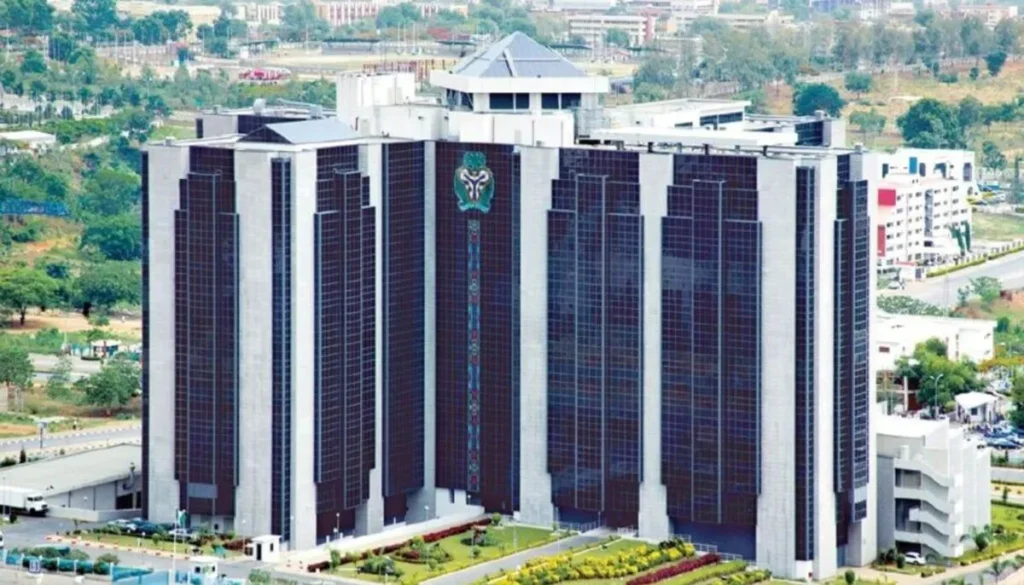
The Central Bank of Nigeria (CBN) disclosed the figure in a statement released on Sunday, highlighting the continued acceleration in diaspora remittances into the Nigerian economy.
The July inflow puts Nigeria just $53 million short of the $1 billion monthly remittance target set by CBN Governor Olayemi Cardoso nearly two years ago.
The latest figures also show that formal remittance inflows have gained significant momentum in 2026, with total inflows through IMTOs reaching approximately $3.8 billion between January and July.
That represents a 50.2% increase compared with the corresponding period in 2025.
What you should know
Remittances are an important source of foreign exchange for Nigeria.
They represent money sent home by Nigerians living and working abroad and can provide households with funds for consumption, education, healthcare, housing, business investment and other expenses.
More importantly for the wider economy, remittances that enter through formal channels increase the supply of foreign currency available within the regulated financial system.
The latest numbers suggest that more Nigerians abroad and their recipients are increasingly using formal IMTO channels rather than informal alternatives.
July sets a new monthly record
The $947 million recorded in July is particularly significant because it represents the highest monthly remittance inflow ever recorded through formal channels.
It also brings Nigeria within striking distance of the CBN’s $1 billion monthly target.
A further $53 million increase would take monthly formal remittance inflows above the $1 billion threshold.
The development indicates how quickly the formal remittance market has expanded following efforts by the CBN to improve transparency, strengthen reporting and encourage diaspora inflows through regulated channels.
First seven months already reach $3.8 billion
The July performance forms part of a much larger increase in remittance activity during the year.
Between January and July 2026, formal remittance inflows reached approximately $3.8 billion.
Compared with the same period in 2025, the figure represents a 50.2% increase.
This means Nigeria has already received substantially more foreign currency through formal remittance channels during the first seven months of 2026 than it did during the corresponding period last year.
If the current momentum continues through the remainder of the year, total formal remittance inflows could rise significantly above previous annual levels.
Why formal remittances matter for the naira
One of the most important implications of stronger formal remittance inflows is the additional supply of foreign currency to the Nigerian financial system.
When remittances are channelled through regulated institutions, the associated foreign currency can enter the formal FX market rather than being exchanged through informal channels.
Higher FX liquidity can help reduce pressure on the naira by improving the availability of dollars relative to demand.
However, remittances alone cannot determine the exchange rate.
The naira is also influenced by crude oil receipts, portfolio and foreign direct investment flows, import demand, CBN intervention, external debt obligations and broader market sentiment.
Nevertheless, a sustained increase in diaspora inflows provides an additional source of foreign exchange.
The CBN’s $1 billion target is now within reach
Governor Olayemi Cardoso had previously set an ambition of achieving $1 billion in monthly remittance inflows through formal channels.
The July figure of $947 million represents the closest Nigeria has come to that target.
The gap of just $53 million is relatively small compared with the scale of the increase recorded over the past year.
If monthly inflows maintain their current momentum, the $1 billion threshold could become achievable.
Crossing the target would also provide evidence that the reforms and incentives aimed at redirecting remittances into formal channels are gaining traction.
What is driving the increase?
The growth in formal remittances can be linked to several factors.
Improved transparency in the formal FX market has made official channels more attractive to senders and recipients.
The CBN has also introduced measures aimed at strengthening the remittance ecosystem and ensuring that international money transfers are processed through regulated channels.
At the same time, the large Nigerian diaspora continues to provide a structural source of foreign currency.
Higher awareness of formal transfer options, improved digital payment infrastructure and the need for recipients to access competitive exchange rates can also encourage greater use of regulated channels.
Implications for Nigeria’s external position
The rise in remittances comes at a time when Nigeria is seeking to strengthen its external buffers and improve FX liquidity.
Foreign exchange reserves have increased substantially during 2026, while stronger remittance inflows provide another source of dollar liquidity for the economy.
For policymakers, the ideal scenario is to sustain these inflows while ensuring that more of the money enters through formal channels.
That would improve the visibility of Nigeria’s external inflows and potentially strengthen the country’s overall balance-of-payments position.
Benefits extend beyond the FX market
The impact of remittances is not limited to foreign exchange.
For millions of Nigerian households, diaspora transfers represent an important source of income.
A stronger flow of remittances can support household consumption and provide capital for small businesses, property purchases, education and other investments.
The challenge is ensuring that the growing inflows contribute increasingly to productive economic activity rather than being absorbed entirely by consumption.
The bigger picture
Nigeria’s $947 million formal remittance inflow in July is more than just a monthly record.
It represents a significant acceleration in one of the country’s most important non-oil sources of foreign exchange.
With $3.8 billion already recorded in the first seven months of 2026, formal remittance inflows are running 50.2% above the comparable period last year and are now just $53 million away from the CBN’s $1 billion monthly ambition.
The immediate benefit is stronger FX liquidity, but the longer-term opportunity is even larger.
If Nigeria can sustain the growth, attract more diaspora money into formal channels and channel a greater share of these inflows into productive investment, remittances could become an increasingly important pillar of the country’s external stability and economic growth.