Nigeria’s Electricity, Gas Sector Contracts 10.63% in Q2 2026 Despite Broader Economic Growth
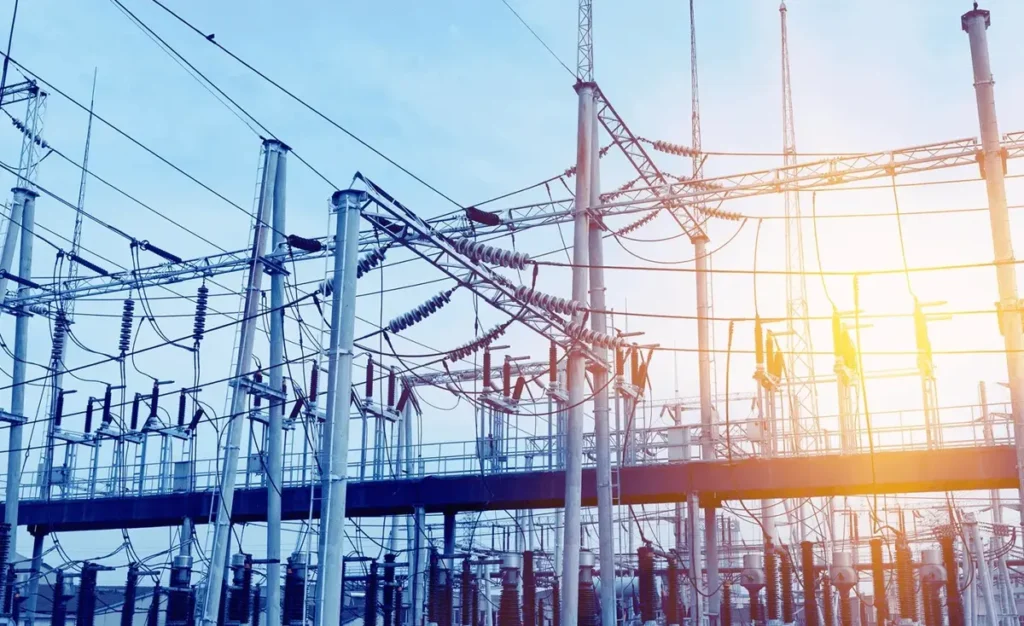
Nigeria’s electricity, gas, steam and air-conditioning supply sector contracted for the second consecutive quarter in 2026, shrinking by 10.63% year-on-year in real terms in Q2 2026, according to the latest Gross Domestic Product (GDP) report by the National Bureau of Statistics (NBS).
Although the contraction represents an improvement from the 15.30% decline recorded in Q1 2026, the sector remains one of the weakest parts of the Nigerian economy, highlighting persistent challenges in electricity generation, distribution and overall energy supply.
The decline also contrasts sharply with the performance of the wider economy, which expanded by 4.43% in real terms in Q2 2026, compared with 4.23% in Q2 2025.
What you should know
The electricity, gas, steam and air-conditioning supply sector is closely connected to almost every part of the Nigerian economy.
Electricity is a critical input for manufacturing, telecommunications, retail businesses, financial services, households and other productive activities. A sustained contraction in the sector therefore has implications beyond the electricity industry itself.
The 10.63% contraction means the sector’s real economic output was lower than it was in the same quarter of 2025, after accounting for price effects.
However, the smaller decline compared with Q1 suggests that conditions improved somewhat during the quarter, even though the sector remained in negative territory.
Sector weakness persists despite overall GDP growth
The contrasting performance between the power sector and the broader economy is significant.
While Nigeria’s economy grew by 4.43%, electricity and related activities contracted by more than 10%.
This suggests that economic growth is continuing despite persistent weaknesses in the country’s power infrastructure.
For businesses, this can mean that growth in production and commercial activity is occurring alongside continued reliance on alternative sources of electricity, including diesel and petrol generators, embedded power solutions and other distributed energy systems.
Why the electricity sector remains under pressure
Nigeria’s power sector continues to face structural challenges involving generation capacity, gas supply, transmission infrastructure and distribution networks.
Gas is particularly important because much of Nigeria’s electricity generation depends on gas-fired power plants. Disruptions in gas availability or supply infrastructure can therefore affect the amount of electricity available to the grid.
Transmission and distribution constraints can further prevent available generation from reaching consumers efficiently.
These challenges can create a situation where the economy grows while the formal power sector struggles to expand at the same pace.
What the contraction means for businesses
Weak electricity supply increases operating costs for businesses that need reliable power.
Manufacturers and other energy-intensive businesses may have to spend more on alternative power sources, maintenance and fuel.
For smaller businesses, unreliable electricity can have an even greater impact because energy costs can represent a significant portion of operating expenses.
This can reduce profit margins, increase the cost of goods and services and limit the ability of businesses to expand.
Why the improvement from Q1 still matters
The move from a 15.30% contraction in Q1 to 10.63% in Q2 should not be interpreted as a full recovery, but it does indicate that the pace of decline moderated.
If this improvement continues in subsequent quarters, it could eventually provide evidence that the sector is stabilising.
However, a genuine recovery would require sustained improvement in electricity generation, gas availability, transmission and distribution rather than simply a smaller year-on-year decline.
The bigger picture
Nigeria’s Q2 2026 GDP performance shows an economy that is expanding despite continued weakness in one of its most important infrastructure sectors.
The 4.43% overall GDP growth is encouraging, but the 10.63% contraction in electricity, gas, steam and air-conditioning supply highlights a major constraint on the quality and sustainability of that growth.
For Nigeria to translate economic expansion into stronger industrial production, lower business costs and higher productivity, improvements in reliable electricity supply will remain critical.
The key question is therefore not only whether GDP continues to grow, but whether infrastructure sectors such as electricity can eventually grow alongside the wider economy and provide the reliable energy required to support faster and more sustainable economic expansion.