
Nigeria has set itself an ambitious economic target.
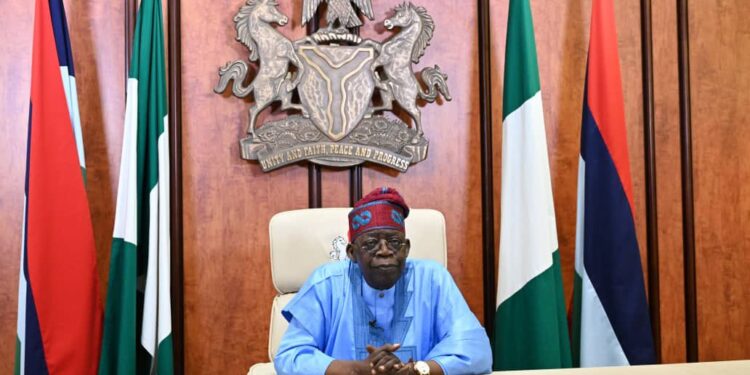
President Bola Ahmed Tinubu has outlined a vision of building a $1 trillion economy.
For investors, businesses and policymakers, this is more than a political aspiration. It is a statement about the future size, competitiveness and investment potential of Africa’s largest economy.
Understanding where Nigeria stands today is therefore essential—not as an exercise in criticism, but as a necessary assessment of the country’s economic trajectory.
What the data is saying
Reaching a $1 trillion economy would represent a significant expansion in Nigeria’s economic output and require sustained growth across key sectors.
The target will depend on factors such as:
- Sustained real GDP growth over several years.
- Higher productivity across agriculture, manufacturing, services and technology.
- Increased investment in infrastructure and industrialisation.
- Improved foreign exchange stability and stronger capital inflows.
- Continued economic reforms that support private-sector growth.
For businesses and investors, the target provides a long-term framework for evaluating opportunities within Nigeria’s evolving economy.
More insights
Every successful investment decision begins with an accurate assessment of current realities.
Businesses routinely evaluate market size, growth prospects, risks and competitive conditions before committing capital. National economies should be viewed through the same lens.
Assessing Nigeria’s current economic position does not diminish the ambition of a $1 trillion economy. Instead, it helps identify the reforms, investment requirements and structural changes needed to achieve it.
Questions around GDP growth, productivity, inflation, exchange rates, fiscal sustainability and investment flows will all play a critical role in determining whether the target is achievable within the desired timeframe.
What you should know
Nigeria’s $1 trillion economy ambition represents one of the country’s most significant long-term economic objectives.
Key considerations include:
- The target is intended to substantially expand Nigeria’s economic output.
- Achieving it will require consistent economic growth and structural reforms.
- Private investment, productivity gains and macroeconomic stability will be central to success.
- Investors and businesses should assess both the opportunities and the underlying economic fundamentals when evaluating the country’s growth outlook.
Ultimately, understanding where Nigeria stands today is not an exercise in pessimism or optimism—it is the foundation for informed decision-making. Just as businesses rely on rigorous analysis before investing, evaluating the country’s economic baseline is essential to measuring the progress required to transform the ambition of a $1 trillion economy into reality.