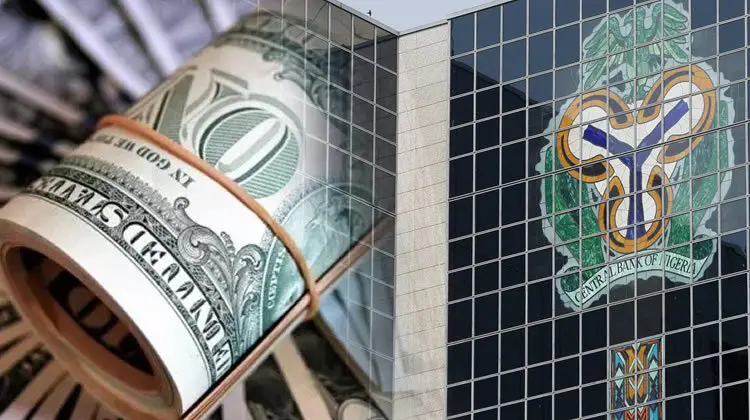

The stock market in Nigeria has reached a historic milestone as the benchmark index of the Nigerian Exchange Group (NGX) surpassed the 200,000-point mark, extending a powerful rally that has been building over the past year.
The surge follows a remarkable 51.2% market return in 2025, with the All-Share Index (ASI) continuing its upward trajectory as investor optimism strengthens. Market bulls are now targeting the 215,000-point level, as equities enter what analysts describe as a “price discovery” phase.
Technical indicators signal strong momentum
Market data shows that the rally is supported by strong technical levels, with analysts identifying 203,000 and 198,000 points as key support zones where investors may step in to buy during any pullback.
However, momentum indicators suggest the market may soon pause for consolidation. The 14-day Relative Strength Index (RSI) currently sits between 70 and 75, placing the market in overbought territory.
This suggests that although the long-term trend remains firmly upward, the market could experience a short-term cooling period or consolidation phase before extending gains.
Recent trading sessions have also shown declining market volumes, with total trading activity dropping by about 17% despite rising prices.
Analysts interpret this divergence as a signal that the rally is being driven primarily by institutional investors accumulating large-cap stocks, rather than widespread speculative buying by retail traders.
Many banking and industrial stocks continue to attract investors due to dividend yields ranging between 5% and 10%, even though some companies are beginning to trade at relatively high valuations.
For instance, shares of Nigerian Exchange Group are currently trading at a price-to-earnings (P/E) ratio of about 47 times earnings, suggesting that parts of the market may be becoming expensive.
Economic reforms driving the rally
Analysts say the current rally is broad-based, reflecting structural changes across Nigeria’s economy rather than gains concentrated in a few companies.
Key reforms introduced by the government—including foreign exchange liberalisation and the removal of fuel subsidies—initially triggered inflation but have helped attract foreign capital and improve fiscal stability.
The Nigerian currency has also stabilised recently, with the naira trading between ₦1,350 and ₦1,450 per dollar, reducing currency risk for international investors.
At the same time, real yields on equities are becoming more attractive compared to fixed-income investments, encouraging more capital to flow into the stock market.
Growing participation from local investors has also contributed to the rally, as retail traders increasingly accumulate equities amid improving market sentiment.
Oil prices and sector rotation support gains
Nigeria’s economy is also benefiting from strong global oil prices, which have recently climbed above $100 per barrel, partly driven by geopolitical tensions in the Middle East.
Higher oil prices are expected to support energy companies such as Seplat Energy and Aradel Energy.
However, unlike previous market cycles dominated by oil stocks, the 2026 rally has been led by consumer goods, industrial, and insurance companies, indicating a broader expansion of market activity.
Institutional investors have also played a significant role. Pension Fund Administrators (PFAs) in Nigeria have increased their exposure to equities as a hedge against inflation, creating a strong liquidity base supporting the market.
Anticipated listings boosting investor sentiment
Investor optimism has also been fueled by expectations of major listings that could reshape the market.
Potential future listings involving entities such as the Nigerian National Petroleum Company Limited and the Dangote Refinery are expected to attract substantial investment flows.
Market participants are already positioning themselves ahead of these potential liquidity events.
In addition, regulatory reforms introduced through the Insurance Industry Reform Act (NIIRA 2025) and the Investment and Securities Act (ISA 2025) have triggered recapitalisation across parts of the financial sector, further strengthening the market.
Outlook: bullish but cautious
Despite the strong rally, analysts caution that short-term risks remain, particularly as the market appears technically overbought.
Historical market trends suggest that momentum often persists in bullish cycles, but traders are advised to avoid chasing prices at peak levels.
Instead, market watchers recommend buying on dips near the 203,000 support level or around the 20-day moving average.
For long-term investors, analysts continue to favour banking blue-chip stocks, particularly ahead of Nigeria’s potential re-entry into the FTSE Russell indices.
Industrial and agricultural stocks are also expected to benefit from Nigeria’s projected economic growth rate of about 4.3% in 2026, reinforcing the broader investment case for equities.