
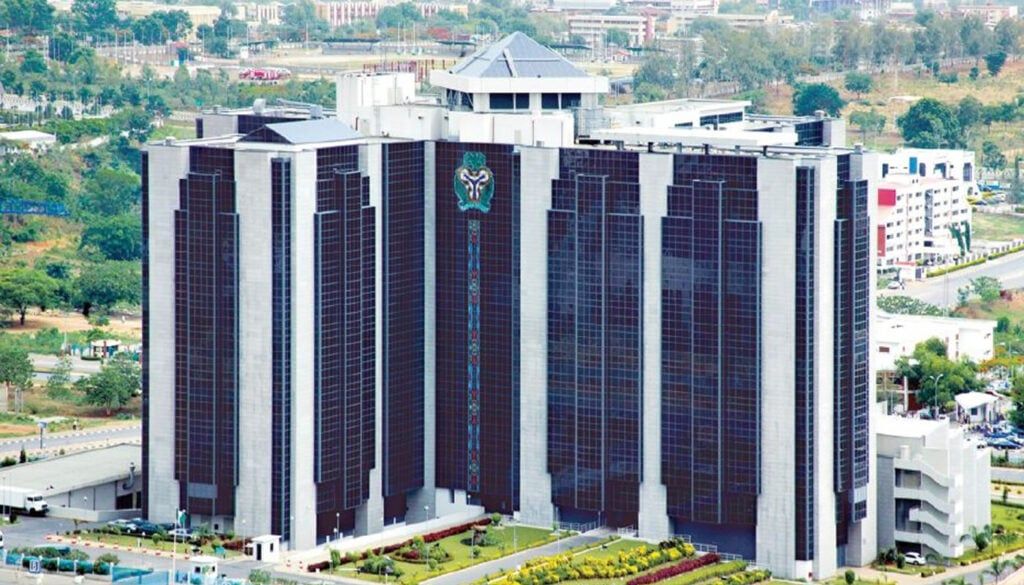
Business confidence among Nigerian firms moderated in June 2026, with rising operating costs and persistent macroeconomic challenges dampening optimism across the private sector.
This is according to the latest Business Expectations Survey (BES) released by the Central Bank of Nigeria (CBN).
The survey indicates that while businesses remain broadly optimistic about future economic conditions, confidence weakened during the month as firms continued to grapple with elevated production costs, inflationary pressures, exchange rate-related expenses, and other operational challenges.
What the data is saying
The moderation in business confidence suggests that Nigerian companies are becoming more cautious about near-term business conditions despite signs of improvement in some macroeconomic indicators.
Higher operating costs remain one of the biggest concerns for businesses. Rising expenses related to energy, transportation, raw materials, financing, and labour continue to pressure profit margins, making it more difficult for firms to expand operations or increase investment.
The survey also reflects the continued impact of Nigeria’s broader macroeconomic environment on business sentiment. Although recent improvements in foreign exchange stability and external reserves have supported confidence to some extent, inflation and relatively high interest rates continue to constrain business activity.
A decline in business confidence does not necessarily imply that firms expect an economic contraction. Rather, it indicates that businesses have become less optimistic about current operating conditions and may adopt a more cautious approach to production, hiring, inventory management, and capital expenditure.
For policymakers, business confidence serves as an important leading indicator of economic activity. Sustained improvements in sentiment often precede stronger investment, employment, and output growth, while weakening confidence may signal slower expansion if underlying challenges persist.
More insights
The Business Expectations Survey provides an early snapshot of private sector sentiment by capturing firms’ views on business conditions, demand, employment, prices, investment, and the overall economic outlook.
Recent improvements in Nigeria’s foreign exchange market, stronger external reserves, and increased crude oil production have provided some support for the economy. However, these positive developments have yet to fully offset the impact of high operating costs faced by businesses.
Companies across multiple sectors continue to prioritise cost management and operational efficiency as they navigate elevated financing costs and inflationary pressures.
Future business confidence will likely depend on whether inflation moderates further, financing conditions improve, exchange rate stability is sustained, and government reforms translate into a more favourable operating environment.
What you should know
The Central Bank of Nigeria’s Business Expectations Survey (BES) is a monthly survey that measures business sentiment by collecting the views of firms across key sectors of the economy.
The survey is widely regarded as a leading indicator because it captures businesses’ expectations before official economic data such as GDP growth and industrial production become available.
Although confidence moderated in June 2026, the survey suggests that businesses remain generally optimistic about the medium-term outlook. However, addressing persistent cost pressures, improving infrastructure, maintaining exchange rate stability, and easing inflation will be critical to strengthening business confidence and supporting sustained private sector growth.