Naira Weakens to N1,334/$ as Interbank FX Turnover Jumps 70%
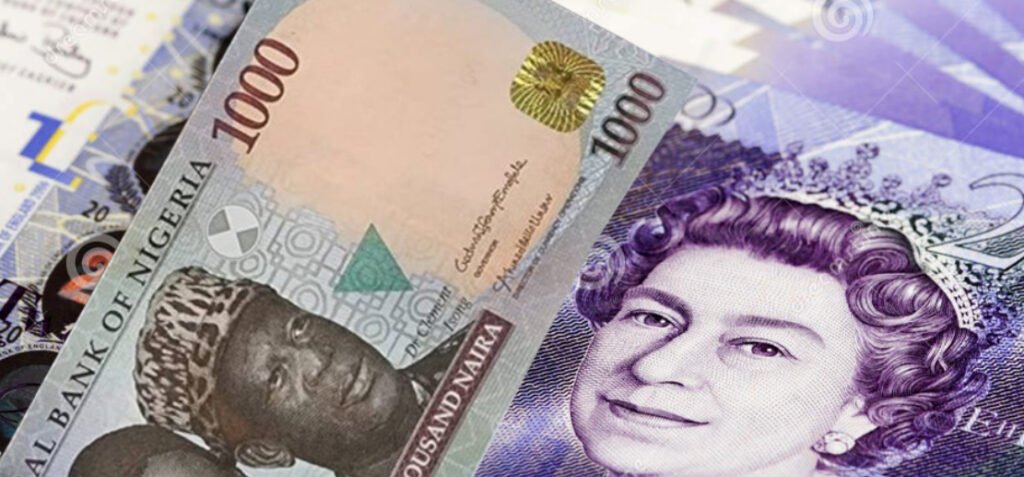
The naira weakened by N11.10 against the US dollar in the interbank foreign exchange market on Wednesday, September 9, 2026, closing at N1,334/$, compared with N1,322.90/$ recorded in the previous session.
The movement represents a 0.84% depreciation and marks a reversal from the naira’s recent gains in the Nigerian Foreign Exchange Market (NFEM).
The depreciation occurred alongside a sharp increase in foreign exchange activity. Interbank FX turnover rose to $94.43 million, up from $55.60 million recorded the previous day.
That represents a 69.82% increase, equivalent to an additional $38.82 million in transactions.
What you should know
The latest movement shows that the naira’s recent appreciation is not occurring in a straight line.
After strengthening toward the N1,300/$ region in recent weeks, the currency remains vulnerable to day-to-day changes in dollar demand, supply and trading activity.
A one-day depreciation of 0.84% is relatively modest compared with the much larger swings seen during periods of severe FX shortages. However, the combination of a weaker naira and sharply higher turnover is worth watching because it indicates that more dollars were changing hands as the exchange rate moved against the local currency.
FX turnover jumps almost 70%
The most notable development from Wednesday’s session was the increase in trading activity.
Interbank FX turnover rose from $55.60 million to $94.43 million, an increase of $38.82 million.
Higher turnover generally means there was greater transaction activity in the market. It does not, by itself, mean that the naira is becoming weaker or stronger.
The direction of the currency depends on the balance between demand for dollars and the availability of dollars in the market.
Therefore, the key question is whether the increase in activity was driven primarily by stronger dollar demand, increased supply, or a combination of both.
N1,334/$ represents a pullback from recent gains
The naira’s move to N1,334/$ represents a reversal from the stronger levels recorded recently.
The currency had been trading around the N1,300–N1,330 range as improved FX liquidity and stronger external reserves supported market confidence.
The latest move does not necessarily invalidate that broader trend.
Currencies rarely move in a straight line, particularly in markets where demand and supply can change considerably from one trading session to another.
What matters more is whether the naira continues weakening over several sessions or quickly stabilises around the current level.
Why the N1,300 level remains important
The N1,300/$ area has increasingly become an important psychological reference point for the naira.
A sustained move below N1,300 would represent a stronger appreciation trend, while repeated moves back above the level would suggest that dollar demand remains strong enough to prevent a deeper naira rally.
At N1,334/$, the latest closing rate shows that the currency has not yet established a sustained break below that psychological threshold.
For businesses, importers and investors, the stability of the exchange rate may therefore be more important than any individual daily movement.
Higher turnover could mean stronger two-way FX activity
The sharp increase in turnover also highlights the importance of liquidity in determining the naira’s short-term direction.
A deeper market allows more buyers and sellers to transact without necessarily producing extreme price movements.
However, higher turnover can also accompany periods of increased demand for dollars.
This means Wednesday’s higher activity should not automatically be interpreted as positive or negative for the naira. The composition of the transactions and the subsequent exchange-rate movements will provide a clearer picture.
Nigeria’s reserves provide a stronger buffer
The naira’s recent performance has taken place against a backdrop of stronger external reserves.
Nigeria’s gross reserves have recently moved above $54 billion, providing a larger external liquidity buffer than the country had at the beginning of the year.
Higher reserves can strengthen confidence in the country’s ability to meet legitimate foreign-exchange obligations and absorb periods of increased demand.
However, reserves are not an unlimited pool of dollars that can be used to maintain a particular exchange rate indefinitely.
The sustainability of the naira’s performance ultimately depends on the country’s ability to generate and attract foreign exchange through oil and gas receipts, exports, remittances, foreign investment and other inflows.
What the weaker naira means for businesses
A weaker naira increases the local-currency cost of imported goods, raw materials, machinery and other dollar-denominated inputs.
Import-dependent companies could therefore face higher costs if the depreciation becomes persistent.
For companies with significant dollar revenues, however, a weaker naira can increase the naira value of their foreign-currency earnings.
This creates different effects across sectors.
Importers and businesses heavily dependent on foreign inputs generally prefer a stable or stronger naira, while exporters and companies earning substantial foreign-currency revenue can benefit from a weaker domestic currency.
The key question is whether this is a reversal or just volatility
The most important issue for investors is whether the N11.10 depreciation represents the beginning of a new weakening trend or simply a normal correction after the naira’s recent appreciation.
One trading session is not enough to establish a trend.
If the naira stabilises around N1,330–N1,340/$ while FX liquidity remains healthy, the latest movement could simply represent normal market adjustment.
A sustained move toward higher exchange rates, particularly if accompanied by rising dollar demand and declining liquidity, would be a more significant signal.
What investors should watch
Market participants will be watching several indicators in the coming sessions:
- NFEM exchange-rate movements.
- Daily FX turnover and liquidity.
- Nigeria’s external reserves.
- Crude oil prices and oil-sector dollar receipts.
- Foreign portfolio investment flows.
- Formal remittance inflows.
- Importer demand for foreign exchange.
- The gap between official and parallel-market rates.
- CBN monetary and FX-market policies.
The interaction between these factors will determine whether the naira can resume its recent appreciation or enters another period of consolidation.
The bigger picture
The naira’s fall to N1,334/$ on Wednesday is a reminder that recent currency gains remain vulnerable to shifts in market demand and liquidity.
The more significant development may actually be the 69.82% jump in interbank FX turnover to $94.43 million, which shows that trading activity increased considerably during the session.
For now, the depreciation should be viewed as a market movement rather than evidence that the broader naira recovery has been reversed.
The coming sessions will be more important. If the currency stabilises despite increased trading activity, it would suggest that the market is becoming deeper and more balanced. If depreciation continues alongside stronger dollar demand, however, it could signal renewed pressure on the naira.
Ultimately, the sustainability of the currency’s recent gains will depend less on any single exchange-rate reading and more on whether Nigeria can maintain sufficient and consistent foreign-exchange liquidity.