
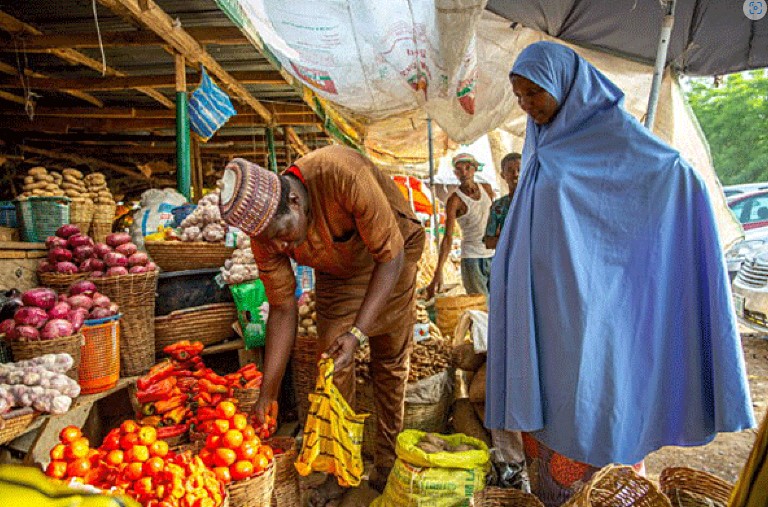
Food prices across major Lagos markets rose again in May 2026, reversing part of the broad-based relief observed in April, as higher transportation costs, seasonal supply shifts, and rising logistics expenses continued to affect staple commodities.
The increase in food prices was largely driven by higher diesel and transport costs, with fuel prices rising from an average of N1,245 per litre in April to about N1,330 per litre in May. This increase triggered a reversal of some of the price reductions recorded in the previous month.
Despite the uptick, the May 2026 market survey suggests that food inflation pressures are moderating compared with 2024 and early 2025 levels. However, persistent logistics constraints continue to slow the pace of price stabilisation across Lagos markets.
The market survey, conducted by the research arm of Nairametrics, tracked a basket of 67 staple food items across Mushin, Mile 12, Daleko, and Oyingbo markets.
What the data is saying
The May 2026 food price survey shows a gradual shift in market dynamics, moving away from the broad price declines recorded in April toward a more mixed and stabilising pattern.
Key observations include:
- Food prices increased again in May after easing in April
- Diesel and transport costs were the primary drivers of the rebound
- Fuel price rose from N1,245/litre in April to N1,330/litre in May
- Logistics and supply chain costs continue to influence retail food pricing
- Market conditions reflect seasonal supply variations alongside structural cost pressures
The data indicates that while supply conditions are improving in some segments, distribution costs remain a key constraint affecting final consumer prices.
More insights
The survey highlights that Nigeria’s food inflation dynamics are increasingly shaped by non-agricultural factors, particularly:
- Transportation bottlenecks
- High diesel and energy costs
- Security and logistics challenges along supply routes
- Seasonal fluctuations in harvest output
- Storage and preservation limitations
Even where agricultural output is improving, inefficiencies in the supply chain continue to transmit cost pressures to end consumers.
The report also suggests that price movements are becoming more segmented, with some commodities stabilising while others remain volatile depending on import dependency and transport intensity.
What you should know
Food inflation remains one of the most significant components of Nigeria’s overall inflation basket, with Lagos often serving as a key indicator of national retail price trends.
Recent trends show:
- Gradual easing of extreme price spikes seen in 2024–early 2025
- Persistent volatility driven by fuel and logistics costs
- Strong dependence on transportation efficiency across food distribution networks
- Continued sensitivity of staple prices to energy market movements
Analysts note that sustained food price stability will depend heavily on improvements in transport infrastructure, energy costs, and efficiency in Nigeria’s agricultural supply chain.