
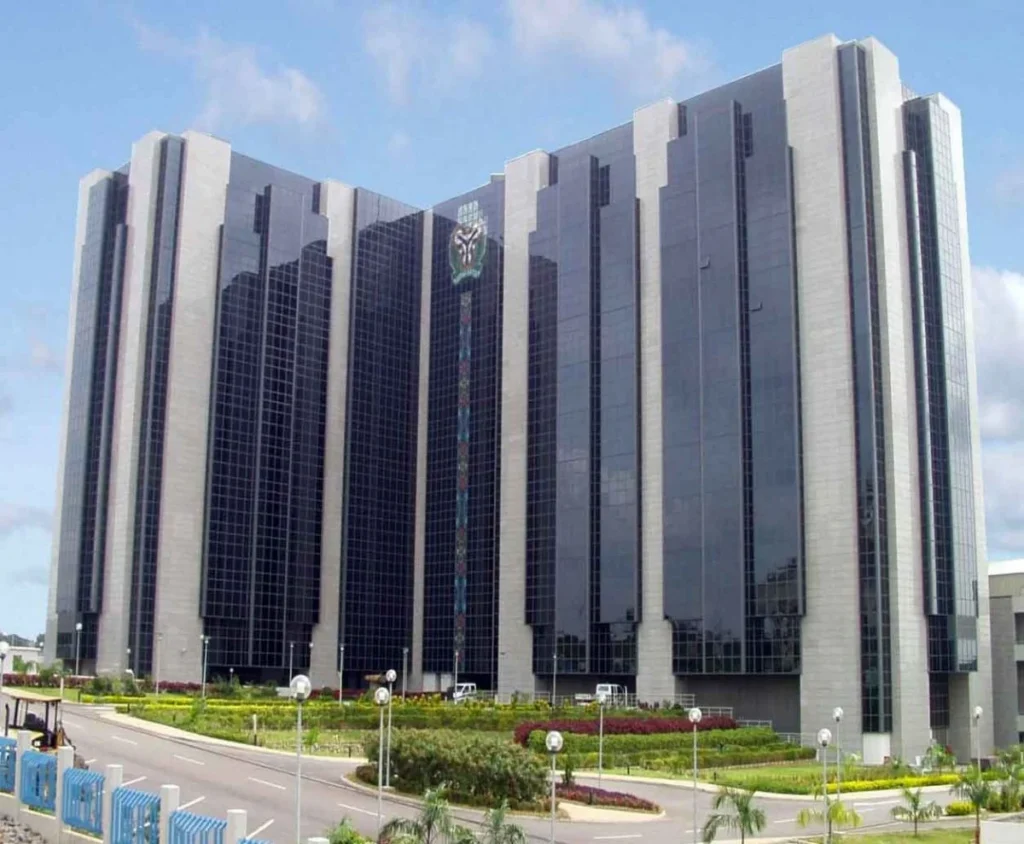
The Central Bank of Nigeria (CBN) has intensified efforts to contain excess liquidity in the financial system, withdrawing approximately N6.88 trillion through Open Market Operations (OMO) auctions within the first two weeks of June 2026.
Analysis of the apex bank’s financial market activities shows that the liquidity mop-up accounts for about 63% of the N10.90 trillion projected inflows expected to enter the financial system during the month, underscoring the CBN’s determination to curb inflationary pressures and maintain monetary stability.
The aggressive intervention comes amid expectations of substantial liquidity injections from maturing debt instruments, fiscal allocations, and other market activities, which could increase money supply and complicate efforts to tame inflation.
Strong investor demand drives OMO auctions
Data from OMO auctions conducted on June 2, June 8, and June 11 revealed strong investor appetite for longer-dated instruments, particularly bills with maturities exceeding 130 days.
Across the three auctions, total subscriptions surpassed N7.2 trillion, highlighting robust demand for high-yield government securities despite prevailing tight monetary conditions.
Stop rates ranged between 19.98% and 21.89%, reflecting the elevated yield environment that continues to attract institutional investors and market participants seeking attractive risk-adjusted returns.
The strongest demand was recorded for longer-tenor bills:
- A 133-day OMO bill offered on June 2 attracted subscriptions of N2.48 trillion, more than twelve times the amount initially offered.
- A 134-day OMO bill auctioned on June 8 received subscriptions of N1.61 trillion, all of which were successfully allotted.
- A 138-day OMO instrument generated subscriptions of approximately N1.84 trillion, accounting for a significant share of total investor demand.
Notably, the CBN allotted N2.41 trillion in the 133-day OMO auction despite initially offering only N200 billion, making it the largest liquidity withdrawal operation during the review period.
CBN battles excess liquidity pressures
The scale of the liquidity absorption reflects the central bank’s ongoing challenge of managing abundant liquidity within the banking system despite its restrictive monetary policy stance.
According to projections by the Financial Markets Dealers Association (FMDA), approximately N10.90 trillion is expected to flow into the financial system in June.
A significant portion of these inflows is expected to come from N7.77 trillion in maturing OMO bills, representing about 71% of the total projected liquidity entering the market.
Additional liquidity injections are expected from:
- N1.80 trillion in Federation Account Allocation Committee (FAAC) disbursements
- Nearly N1 trillion in Treasury Bills maturities
- Government spending and other fiscal activities
These inflows pose a risk of increasing excess liquidity, which could fuel inflationary pressures if left unchecked.
Tightening measures continue despite previous interventions
The latest OMO operations follow a similarly aggressive liquidity management strategy in May.
The CBN reportedly absorbed approximately N12.06 trillion from the financial system during the previous month. However, average system liquidity still increased to N5.22 trillion, highlighting the magnitude of funds circulating within the financial sector.
The strong oversubscription recorded across recent auctions suggests that substantial liquidity remains available within banks and other financial institutions, enabling investors to continue participating actively in OMO offerings despite the central bank’s repeated interventions.
Analysts believe the sustained demand for OMO securities reflects the attractiveness of yields hovering around the 20% mark, particularly in an environment characterized by inflation concerns and elevated interest rates.
Outlook for the remainder of June
With more than half of the month’s projected inflows already sterilized through OMO auctions, market participants expect the CBN to maintain an active presence in the money market throughout the remainder of June.
Financial analysts note that while the central bank has made significant progress in reducing excess liquidity, additional inflows expected before month-end could necessitate further liquidity management measures.
The effectiveness of these interventions will be closely watched as policymakers seek to balance inflation control, financial system stability, and economic growth.
Why it matters
Liquidity conditions remain a critical factor in Nigeria’s monetary policy landscape. Excess funds within the banking system can increase lending capacity, stimulate spending, and potentially fuel inflation if not properly managed.
The CBN’s aggressive OMO operations demonstrate its commitment to maintaining a tight monetary environment as it seeks to contain inflationary pressures and stabilize macroeconomic conditions.
While elevated liquidity continues to support demand for fixed-income securities, the central bank’s ability to successfully absorb excess funds will remain central to preserving current monetary conditions and guiding inflation expectations in the months ahead.