CBN Withdraws N3.31tn From Banks as Liquidity Management Intensifies
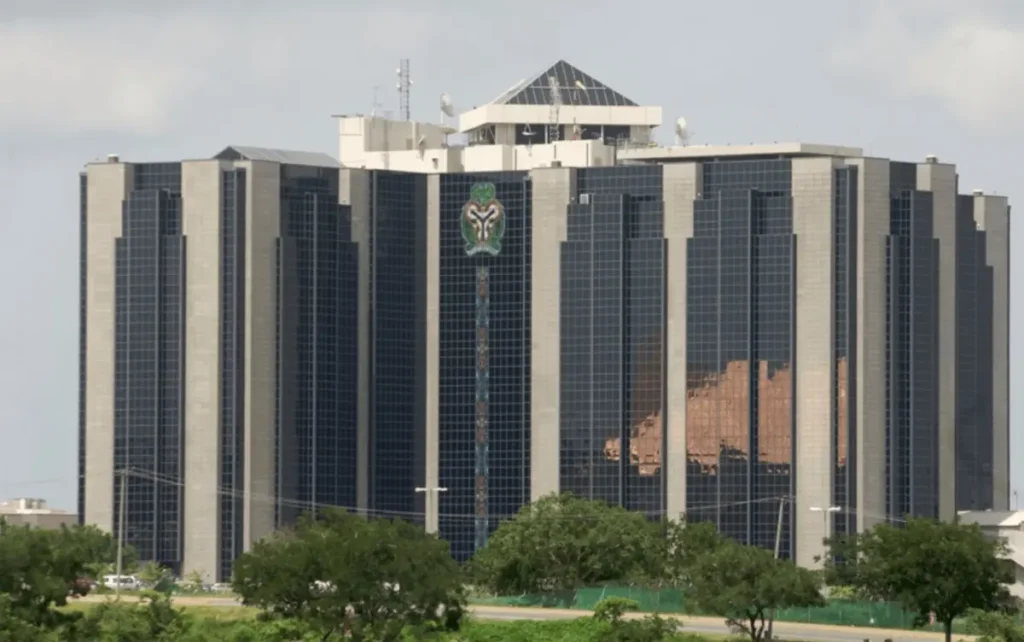
The Central Bank of Nigeria has stepped up its efforts to control excess liquidity in the financial system, withdrawing N3.31 trillion through its latest Open Market Operations auction even as N2.17 trillion in maturing securities returned to banks.
The operation resulted in a net liquidity withdrawal of approximately N1.14 trillion, highlighting the CBN’s continued balancing act between supporting economic activity and preventing excessive liquidity from fuelling inflation and foreign exchange pressure.
According to data reported by Punch, investors submitted N3.51 trillion in bids against the N2 trillion initially offered by the apex bank. The CBN subsequently allotted N3.31 trillion.
The strongest demand came from the longer-dated 182-day Treasury bill.
Investors submitted N2.69 trillion for N1 trillion on offer, with the CBN eventually allotting N2.67 trillion at a stop rate of 16.92 percent.
The 147-day bill attracted N817.95 billion in bids against N1 trillion offered, with N637.2 billion allotted at a stop rate of 17.22 percent.
The demand pattern suggests that investors remain willing to lock funds into government securities even as yields gradually soften. The 182-day instrument attracted substantially more demand than the shorter tenor despite offering a slightly lower return.
The latest operation follows an aggressive liquidity-management programme in September.
During that month, the CBN sold N17.51 trillion worth of OMO bills, while N10.89 trillion matured, resulting in a net withdrawal of approximately N6.62 trillion from the banking system.
The September 29 auction alone saw N4.69 trillion in OMO bills sold against N2.43 trillion in maturities.
The strategy is particularly significant because the CBN has simultaneously moved in the opposite direction on its main policy rate.
On September 22, the Monetary Policy Committee cut the Monetary Policy Rate by 350 basis points to 23 percent. Ordinarily, a lower policy rate is expected to ease financial conditions and encourage borrowing.
But continued OMO sales mean the CBN is attempting to lower the cost of money gradually without allowing the banking system to become flooded with cash.
The effect has already been visible in short-term money-market conditions. The overnight lending rate rose by 25 basis points to 22.2 percent, even though substantial liquidity remains within the financial system.
The policy presents a delicate balancing act.
Too much liquidity could encourage speculative activity, put pressure on the naira and complicate the fight against inflation. Excessive tightening, however, could undermine the CBN’s objective of stimulating credit and economic activity.
The latest OMO operation therefore suggests that monetary authorities are trying to create a controlled transition toward lower borrowing costs while keeping liquidity conditions sufficiently tight to protect recent gains in inflation and exchange-rate stability.