
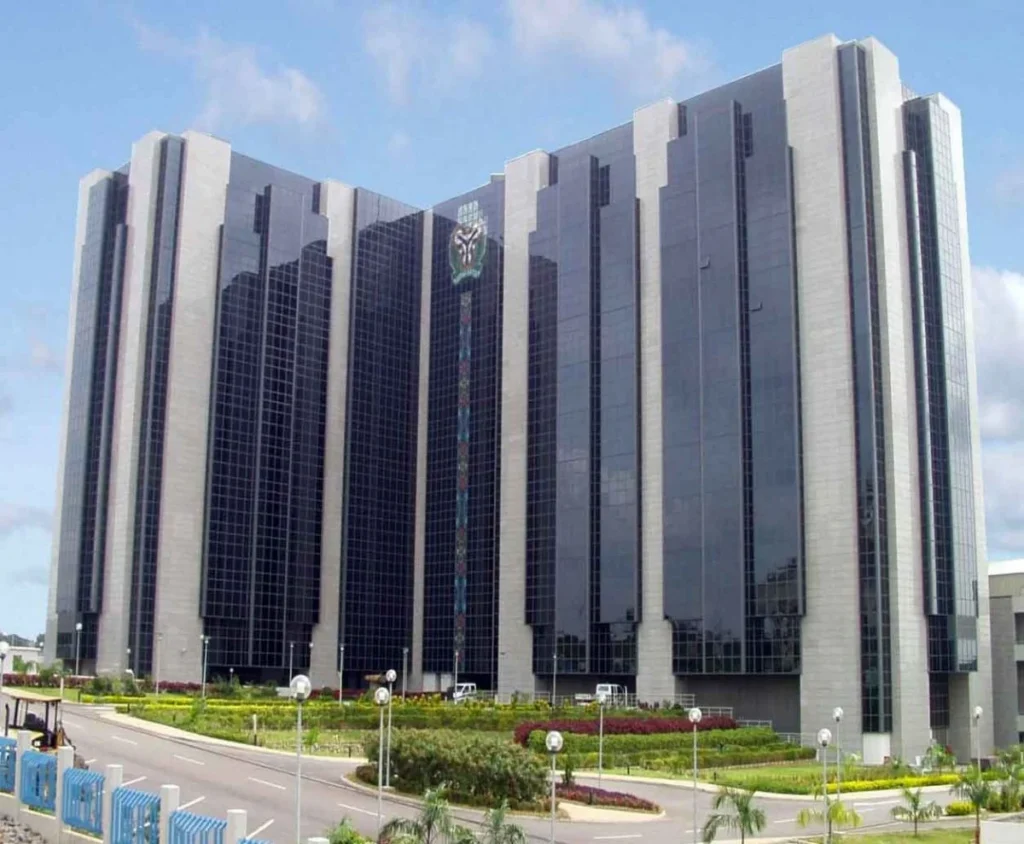
The Central Bank of Nigeria has issued a public warning about fraudulent messages and links circulating online that are designed to gain unauthorized access to individuals’ bank accounts.
The alert was contained in a press statement dated April 21, 2026, signed by Hakama Sidi Ali and released on Wednesday.
The warning comes amid growing cybersecurity threats targeting key public institutions in Nigeria, following a recent disruption at the Corporate Affairs Commission, which temporarily shut down its online portal between April 17 and April 20, 2026 due to a cyber incident.
Fraudulent messages circulating online
According to the Central Bank of Nigeria, cybercriminals are circulating misleading emails and digital messages falsely claiming to originate from or be linked to the bank.
The apex bank explained that these messages often contain malicious links intended to deceive recipients and compromise personal banking information.
“These fraudulent messages, which prompt recipients to click links, peddle false information about the Bank’s leadership, licensing, and policy issues, and are intended to hack personal accounts,” the bank stated.
The CBN stressed that its official website remains the primary source for verified information, urging Nigerians to rely only on trusted communication channels.
Public advised to remain vigilant
The apex bank advised members of the public to avoid clicking on suspicious links, refrain from sharing sensitive financial information online, and verify any communication attributed to the bank through official platforms and recognised media channels.
The advisory forms part of broader efforts by financial authorities to combat rising cyber fraud and protect consumers in Nigeria’s banking sector.
Cybersecurity concerns grow after CAC incident
The warning follows a recent cybersecurity scare involving the Corporate Affairs Commission.
In a circular dated April 17, 2026, the commission announced a three-day shutdown of its online portal after detecting a cyber threat affecting its systems.
Reports later suggested that up to 25 million documents may have been accessed during the breach, after the commission confirmed unauthorized access to parts of its digital infrastructure.
In response to the incident, the Nigeria Data Protection Commission launched a formal investigation, citing concerns over the possible exposure of sensitive corporate and personal data.
Rising global cybercrime threats
The issue also reflects broader global cybersecurity concerns. In June 2025, the Central Bank of Nigeria had already warned Nigerian banks and fintech firms to strengthen their cybersecurity systems, particularly as the financial sector transitions toward open banking frameworks.
Meanwhile, a report from the Federal Bureau of Investigation highlighted the growing role of emerging technologies in cybercrime.
According to the report, AI-related cyber fraud resulted in losses exceeding $893 million in 2025, with complaints coming from more than 200 countries.
The findings also showed that international cybercrime activities caused nearly $1.6 billion in total losses, with Nigeria ranking among the top 15 countries affected, recording 1,219 complaints.
Authorities say the trend underscores the need for stronger cybersecurity systems and increased public awareness to protect digital financial assets.