CBN Urges Banks to Convert N4.65tn Fresh Capital Into Productive Loans
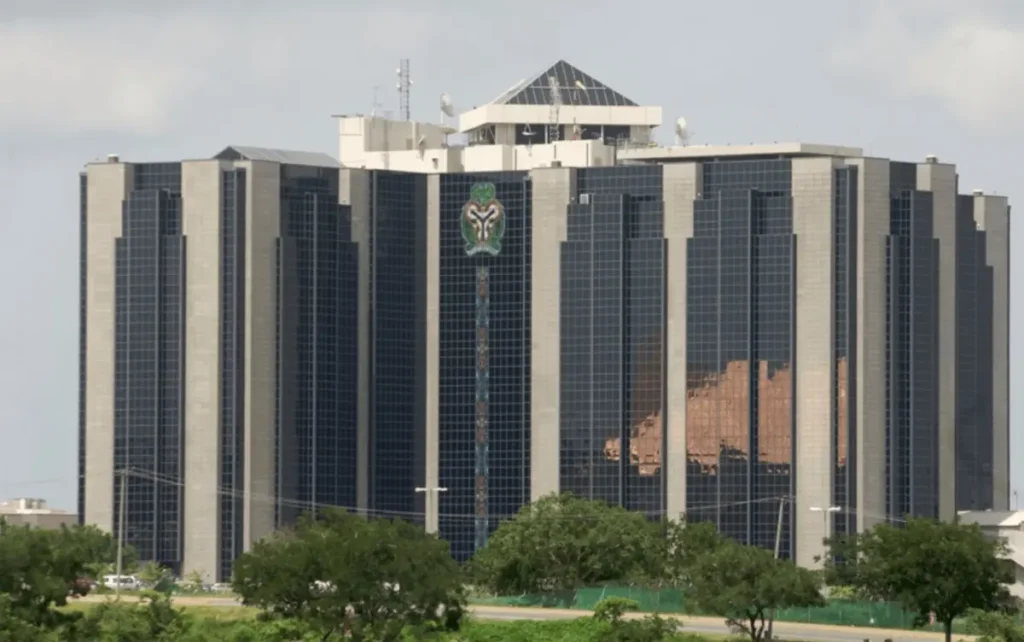
The Central Bank of Nigeria has called on commercial banks to deploy the N4.65 trillion raised through the latest banking-sector recapitalisation exercise into productive lending capable of supporting businesses, infrastructure and broader economic activity.
CBN Deputy Governor, Corporate Services, Muhammad Abdullahi, made the call at the apex bank’s 38th Seminar for Finance Correspondents and Business Editors in Abuja.
The deputy governor said the success of the recapitalisation programme should not be measured solely by how much capital banks were able to raise.
Instead, he said attention should increasingly shift toward what banks do with their stronger balance sheets.
The CBN wants the additional capital to translate into increased financing for productive sectors of the economy, particularly businesses and infrastructure projects capable of generating output and employment.
The N4.65 trillion raised represents a substantial increase in the capital available to participating banks and was generated as financial institutions worked to meet the CBN’s new minimum capital requirements.
Abdullahi said the next phase of the banking-sector reform should therefore focus on productive lending, stronger governance, effective risk management and improved banking services.
The CBN’s position comes at a time when the Nigerian banking sector is holding substantial amounts of excess liquidity.
Banks had approximately N6.28 trillion deposited at the CBN’s Standing Deposit Facility on September 29, suggesting that considerable liquidity remains outside the credit market.
The contrast is important for policymakers.
While banks have strengthened their capital positions and possess substantial liquidity, businesses continue to face relatively high borrowing costs and difficulties accessing affordable long-term financing.
The CBN’s objective is therefore not simply to make banks larger, but to ensure that stronger balance sheets translate into increased credit to the real economy.
The central bank’s position also fits into its broader monetary-policy reset.
The CBN cut the Monetary Policy Rate from 27.5% to 23% in September, arguing that the adjustment was aimed at improving the transmission of monetary policy rather than abandoning its broader focus on price stability.
Nigeria’s economy expanded by 4.43% year-on-year in Q2 2026, according to the latest national accounts data cited by the CBN, while oil-sector growth accelerated to 7.31% and non-oil growth reached 4.31%.
The central bank therefore sees stronger bank lending as one potential channel through which the country’s improving macroeconomic conditions can translate into higher investment and economic activity.
However, increasing lending also carries risks.
Banks must balance the need to expand credit with maintaining asset quality, particularly as rapid loan growth without adequate risk management could increase non-performing loans.
The CBN has consequently linked the next phase of recapitalisation to governance and risk-management standards, rather than treating additional capital as an end in itself.
The regulator’s message is increasingly clear: the banking industry’s new capital base is expected to support more than stronger financial statements; it is expected to increase the flow of finance into productive parts of the Nigerian economy.