
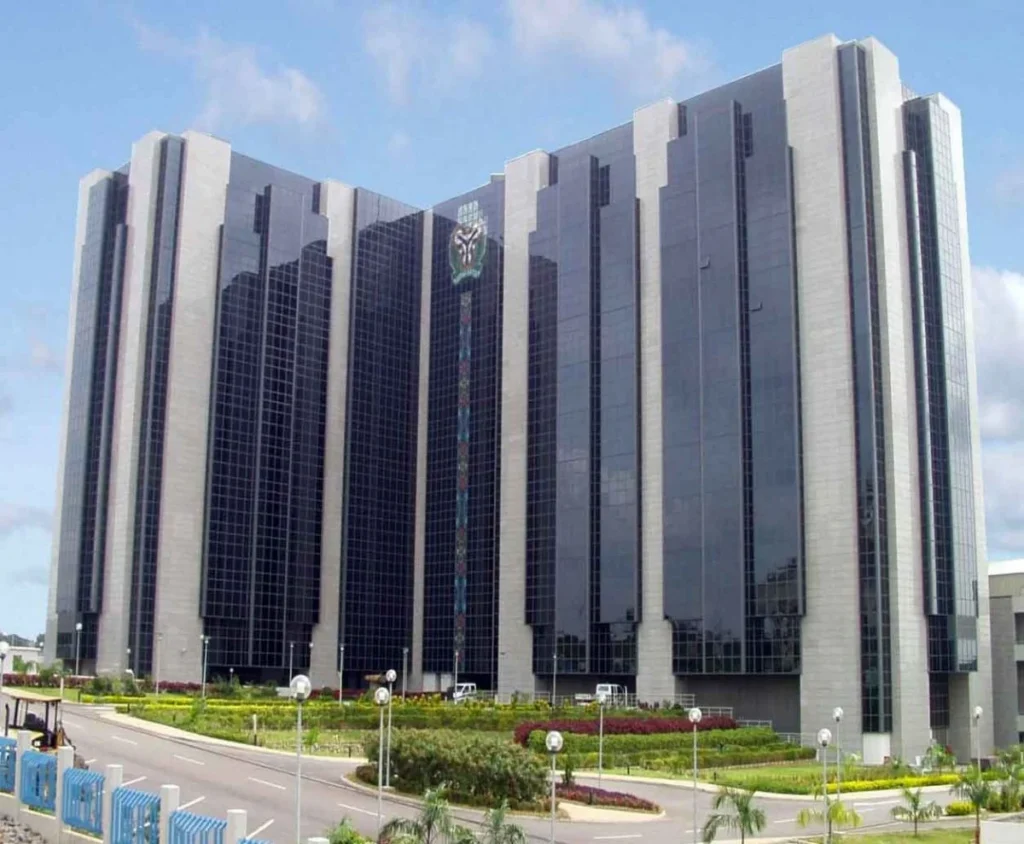
The Central Bank of Nigeria (CBN) has outlined plans to recapitalise and restructure development finance institutions (DFIs) as part of efforts to address the country’s widening N130 trillion financing gap affecting micro, small, and medium enterprises (MSMEs).
The disclosure was made by the CBN’s Deputy Governor for Economic Policy, Muhammad Sani Abdullahi, during a panel session at the launch of the Nigeria Development Update (NDU) by the World Bank in Abuja.
According to Abdullahi, a recent review conducted by the apex bank revealed a significant mismatch between the current capacity of DFIs and the credit needs of businesses. He noted that while the combined asset base of DFIs in Nigeria stands at just over N8 trillion, the financing requirement for MSMEs exceeds N130 trillion.
He explained that bridging this gap would require more than increased public sector funding, stressing the need to reposition DFIs to attract private investment. Abdullahi added that making the institutions more bankable and investable is critical to unlocking sustainable financing.
The Deputy Governor further disclosed that the CBN is working in collaboration with the Ministry of Finance to overhaul the structure of DFIs. The ongoing review, he said, is aimed at correcting incentive distortions, strengthening risk appetite, and improving capital levels within the institutions.
He also indicated that the proposed reforms would introduce stronger market-based principles into the operations of DFIs, noting that previous approaches have not delivered the desired outcomes.
Abdullahi linked the reform initiative to the recent recapitalisation in the banking sector, which saw lenders raise about N4.6 trillion. He said the increased capital base is expected to boost lending capacity across the financial system, as banks seek to generate returns for their investors.
However, he emphasised that the apex bank would not resort to directing banks on where to lend, maintaining that financial institutions must independently assess risks and make lending decisions.
He reiterated that access to credit for the real sector remains a longstanding structural challenge in Nigeria, particularly for MSMEs. Nonetheless, he expressed optimism that the combination of stronger commercial banks and reformed DFIs would significantly improve credit flow to businesses.
Despite prevailing high borrowing costs, Abdullahi pointed to the resilience of economic activity, noting that the Purchasing Managers’ Index (PMI) has remained above the 50-point threshold, indicating continued expansion.
He expressed confidence that the ongoing reforms would gradually ease financing constraints, enhance access to credit, and support sustainable economic growth.