
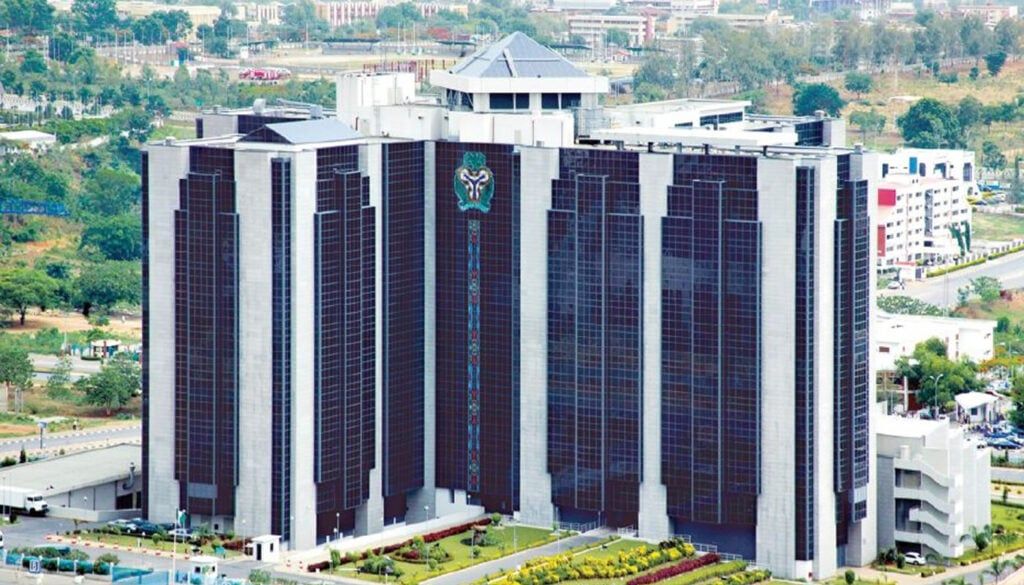
The Central Bank of Nigeria (CBN) has set an ambitious target of increasing monthly diaspora remittances to $1 billion by the end of 2026, representing a nearly 67% increase from the current inflow of more than $600 million per month.
CBN Governor Olayemi Cardoso disclosed the target while speaking at the BusinessDay CEO Forum Nigeria in Lagos, stating that the apex bank’s ongoing engagement with Nigerians in the diaspora and collaboration with commercial banks are already producing encouraging results.
The target forms part of the CBN’s broader strategy to strengthen Nigeria’s foreign exchange inflows, deepen financial inclusion, and improve external sector stability.
What the data is saying
The current monthly remittance inflow of over $600 million translates to roughly $7.2 billion annually if sustained.
Achieving the CBN’s target of $1 billion every month would increase annual diaspora remittances to approximately $12 billion, representing an additional $4.8 billion in yearly foreign exchange inflows.
Such an increase would significantly boost Nigeria’s external reserves, improve foreign exchange liquidity, and reduce pressure on the naira by providing a more stable and diversified source of foreign currency beyond crude oil exports.
The CBN attributes the recent improvement in remittance inflows to reforms aimed at making official remittance channels more attractive, stronger engagement with Nigerians living abroad, and partnerships with commercial banks and international money transfer operators.
More insights
Diaspora remittances remain one of Nigeria’s largest and most stable sources of foreign exchange, often proving more resilient than portfolio investment or commodity export earnings during periods of global economic uncertainty.
Unlike external borrowing, remittance inflows do not create debt obligations, making them a valuable source of sustainable foreign exchange for the economy.
The CBN has in recent years introduced several reforms to encourage more remittances through formal banking channels, including improvements to the foreign exchange market, exchange rate liberalisation, and measures designed to reduce the gap between official and parallel market exchange rates.
Higher remittance inflows could also support household consumption, education, healthcare, housing investments, and small business financing, given that a significant portion of funds sent by Nigerians abroad goes directly to families and private investments.
If achieved, the $1 billion monthly target would further strengthen Nigeria’s balance of payments and complement ongoing efforts to stabilise the foreign exchange market.
What you should know
Diaspora remittances have become an increasingly important pillar of Nigeria’s external finances, providing a reliable source of foreign exchange alongside oil exports.
Key highlights include:
- The CBN aims to increase monthly remittance inflows from over $600 million to $1 billion by the end of 2026.
- The target represents a nearly 67% increase in monthly inflows.
- At the target level, annual remittances would rise to approximately $12 billion, compared with roughly $7.2 billion at current inflow levels.
- The strategy relies on stronger engagement with Nigerians in the diaspora, partnerships with commercial banks, and continued reforms to improve the attractiveness of official remittance channels.
- Increased remittance inflows would strengthen Nigeria’s foreign exchange reserves, improve FX market liquidity, support naira stability, and reduce dependence on oil-derived foreign exchange earnings.
The CBN’s latest target underscores the growing importance of diaspora remittances as a strategic source of foreign exchange and a key component of Nigeria’s broader economic and monetary stability agenda.