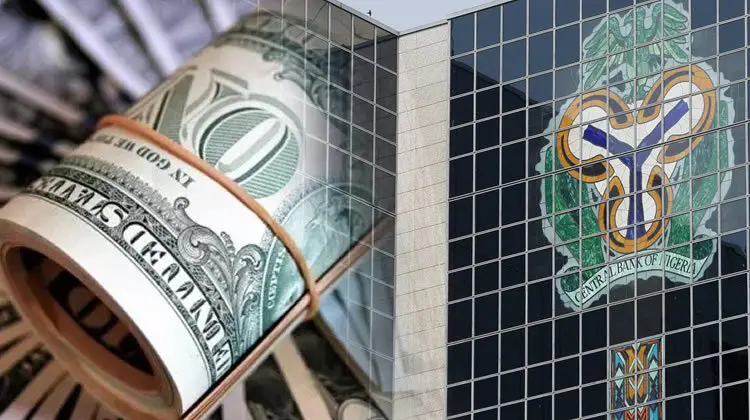
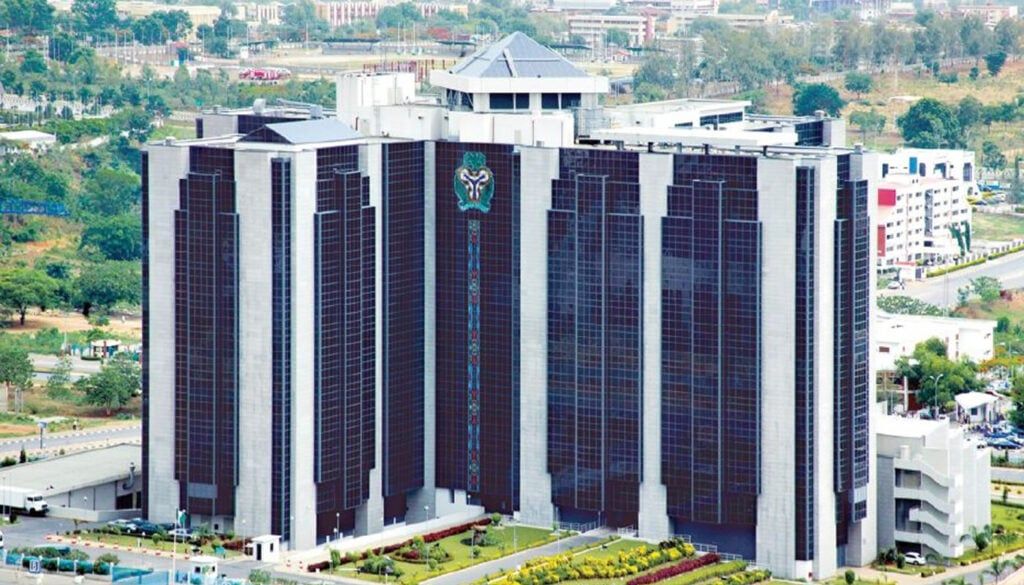
The Central Bank of Nigeria (CBN) injected almost ₦3 trillion into the financial system after repaying ₦2.97 trillion in Open Market Operations (OMO) bills that matured on Tuesday, even as it conducted a sizeable OMO auction a day earlier.
According to the CBN’s latest financial data as of July 14, the apex bank also settled ₦17.05 billion in primary market repayments, bringing total repayments between Monday and Tuesday to approximately ₦2.987 trillion.
The repayments came shortly after the CBN held an OMO auction where it offered ₦600 billion across three maturities but ultimately allotted ₦2.54 trillion, reflecting exceptionally strong investor demand.
What the data is saying
The repayment of ₦2.987 trillion represents one of the largest liquidity injections into Nigeria’s banking system in recent months.
When OMO bills mature, the CBN repays investors the principal amount, releasing funds back into the financial system. Such repayments typically increase banking system liquidity and improve the availability of short-term funds for financial institutions.
However, the liquidity impact was partly offset by Monday’s OMO auction, where the CBN allotted ₦2.54 trillion despite initially offering only ₦600 billion. The significant oversubscription indicates that investors were eager to lock in attractive yields offered by the apex bank.
The large allotment also highlights the CBN’s continued commitment to liquidity management. By issuing fresh OMO bills immediately before substantial maturities, the apex bank effectively reabsorbed a large portion of the funds returning to the financial system.
Based on the figures, while nearly ₦2.99 trillion flowed back into the market through repayments, the simultaneous issuance of ₦2.54 trillion in new OMO bills means the net liquidity injection into the banking system was considerably smaller than the gross repayment amount.
More insights
The sequence of large repayments followed by equally significant OMO issuances illustrates the CBN’s active liquidity management strategy.
The apex bank continues to balance two competing objectives: ensuring sufficient liquidity within the banking system while preventing excess cash from fueling inflationary pressures or exerting downward pressure on short-term interest rates.
The exceptionally strong investor demand seen during the auction reflects continued appetite among banks and institutional investors for risk-free government securities, particularly in an environment of elevated interest rates.
Such aggressive liquidity management operations have become a central feature of the CBN’s tight monetary policy stance, allowing it to regulate money supply while maintaining stability in the interbank money market.
Market participants will closely monitor whether the remaining liquidity supports increased lending activity, Treasury bill demand, or additional participation in future CBN auctions.
What you should know
Open Market Operations (OMO) are one of the CBN’s primary monetary policy tools used to regulate liquidity in the financial system.
When OMO bills mature, the CBN injects liquidity by repaying investors. Conversely, when new OMO bills are issued, excess liquidity is withdrawn from the banking system.
The latest repayments come amid the CBN’s broader efforts to maintain tight monetary conditions while ensuring orderly money market operations. Although nearly ₦3 trillion was repaid this week, the simultaneous ₦2.54 trillion OMO allotment demonstrates the apex bank’s intention to prevent excess liquidity from building up in the financial system while keeping short-term interest rates broadly aligned with its monetary policy objectives.