
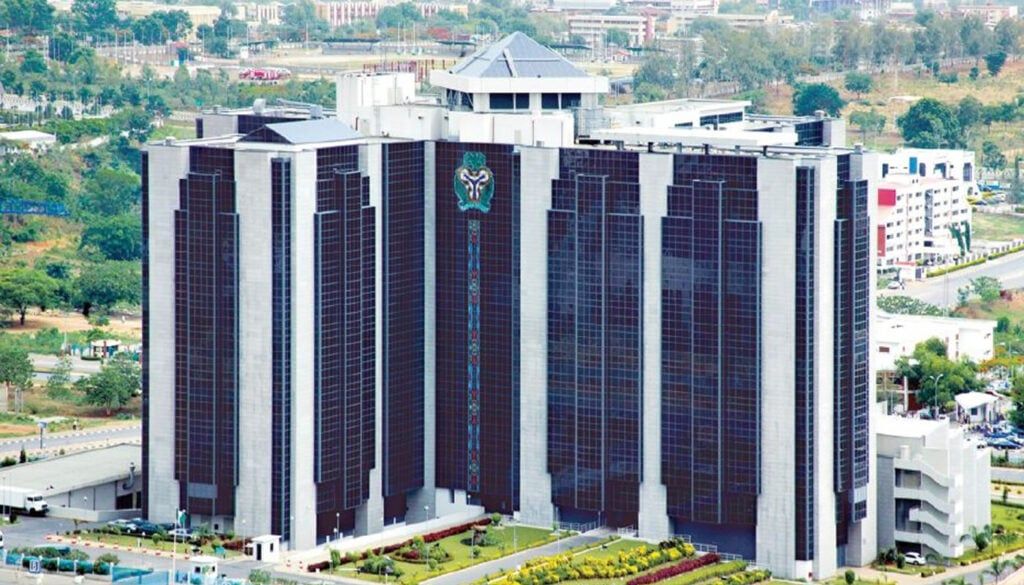
The Central Bank of Nigeria directive requiring banks, fintechs, payment service providers, and other regulated financial institutions to localise customer and transaction data within Nigeria by January 2027 is increasingly being viewed as a major growth driver for the country’s digital infrastructure sector.
The policy is expected to accelerate investment in data centres, cloud infrastructure, cybersecurity systems, and related digital services as financial institutions move to comply with the new requirements.
Push for data sovereignty
At the heart of the directive is the concept of data sovereignty—the principle that a country’s critical data should be stored, managed, and governed within its own jurisdiction.
Regulators globally are placing greater emphasis on data localisation due to concerns surrounding:
- Cybersecurity threats.
- National security risks.
- Cross-border data governance.
- Artificial intelligence development.
- Protection of sensitive financial information.
For Nigeria, the policy seeks to ensure that critical financial data remains subject to local laws, regulatory oversight, and security standards.
Opportunity for data centre operators
Operators of Nigeria’s leading data centres believe the directive could significantly increase demand for local hosting services and cloud infrastructure.
As banks, fintech companies, and payment service providers migrate more workloads and data storage operations into the country, demand is expected to rise for:
- Data centre capacity.
- Cloud computing services.
- Disaster recovery facilities.
- Cybersecurity infrastructure.
- Network connectivity services.
Industry players argue that this could attract fresh capital into Nigeria’s technology ecosystem while creating jobs and supporting the growth of indigenous digital infrastructure providers.
Potential economic benefits
Supporters of the policy say the directive could deliver several long-term benefits, including:
- Increased investment in local technology infrastructure.
- Reduced dependence on foreign hosting providers.
- Improved regulatory oversight of financial data.
- Stronger cybersecurity resilience.
- Retention of digital economy spending within Nigeria.
- Development of local technical expertise and skills.
The policy may also encourage multinational technology companies to expand their local presence as demand for domestic data storage grows.
Concerns over implementation
Despite the potential benefits, some stakeholders have expressed concerns regarding implementation.
Key issues raised include:
- The cost of migrating data and systems.
- Availability of sufficient local infrastructure capacity.
- Reliable electricity supply.
- Connectivity and network redundancy.
- Compliance timelines for smaller operators.
Some industry participants argue that continued investment in power, broadband infrastructure, and data centre expansion will be necessary to ensure a smooth transition before the January 2027 deadline.
Global trend toward localisation
Nigeria’s move mirrors a broader global trend as countries increasingly seek greater control over strategic digital assets.
Governments across regions have introduced various forms of data localisation requirements to safeguard sensitive information, support domestic technology ecosystems, and strengthen national digital sovereignty.
For Nigeria, the CBN directive could mark a significant milestone in the evolution of the country’s digital economy, positioning local data infrastructure as a critical component of the financial system while creating new opportunities for technology and infrastructure investors.
As the implementation deadline approaches, the policy is expected to remain a major talking point among regulators, financial institutions, fintech companies, cloud providers, and data centre operators seeking to adapt to a rapidly changing digital landscape.