
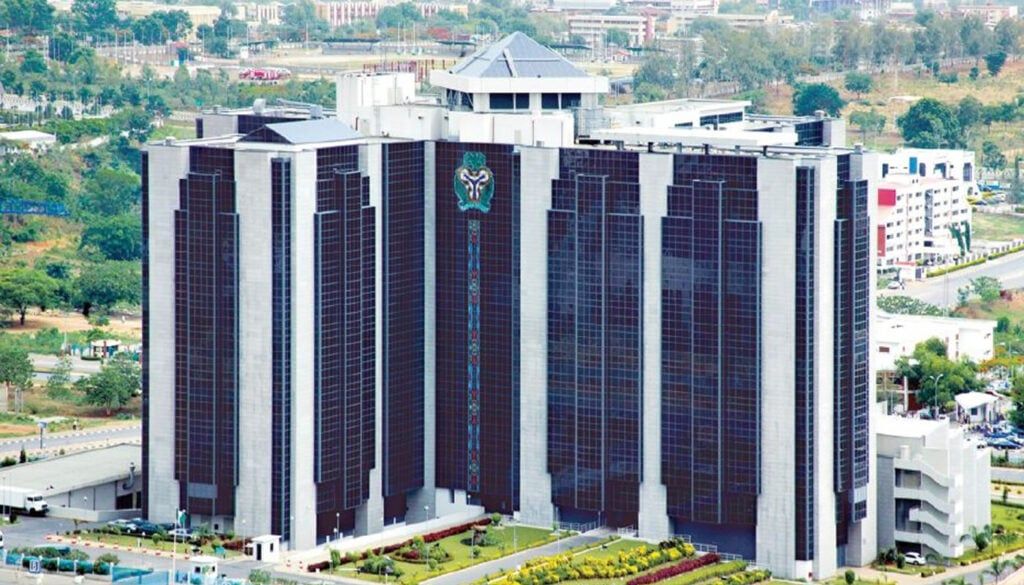
The Central Bank of Nigeria (CBN) has directed banks, payment service banks, fintechs, and other regulated financial institutions to immediately freeze all accounts, assets, and transactions associated with six individuals and four Bureau De Change (BDC) operators designated for terrorism financing.
The directive was issued through a circular dated June 24, 2026 (Ref: CMD/FCS/PUB/CIR/002/011) and forms part of an update to the Nigeria Sanctions List, which became effective on June 18, 2026.
What the directive requires
Under the sanctions framework, all regulated financial institutions are required to:
- Immediately identify accounts linked to the designated persons and entities.
- Freeze all funds, assets, and economic resources connected to them.
- Block any transactions involving the sanctioned individuals or organisations.
- Report compliance actions to the relevant authorities.
- Ensure that no funds, financial services, or economic benefits are made available to the sanctioned parties, either directly or indirectly.
The CBN stated that compliance is mandatory for all institutions under its regulatory oversight.
Purpose of the sanctions
The measure is part of Nigeria’s broader efforts to combat:
- Terrorism financing.
- Money laundering.
- Illicit financial flows.
- Organized criminal networks.
Financial sanctions are designed to prevent designated individuals and entities from accessing the financial system, moving funds, or using financial institutions to facilitate unlawful activities.
Implications for financial institutions
Banks, payment service providers, fintech companies, microfinance banks, and Bureau De Change operators are expected to conduct immediate screening of their customer databases and transaction records against the updated sanctions list.
Failure to comply with sanctions directives can expose institutions to regulatory penalties, enforcement actions, and reputational risks.
Part of wider anti-terror financing efforts
The update reflects Nigeria’s ongoing commitment to strengthening its anti-money laundering and counter-terrorism financing framework in line with international standards and recommendations.
Sanctions lists are periodically updated by relevant authorities to ensure that individuals and entities identified as posing terrorism financing risks are effectively restricted from accessing the country’s financial system.
The latest directive underscores the CBN’s continued emphasis on compliance, financial system integrity, and the prevention of illicit financial activities within Nigeria’s banking and payments ecosystem.