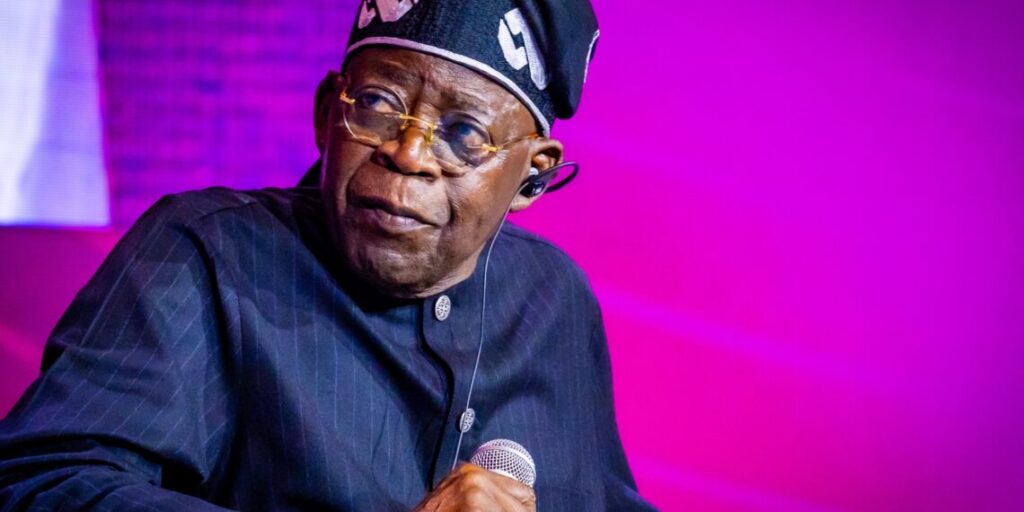
Three years after President Bola Ahmed Tinubu assumed office, Nigeria’s economic direction remains defined by a sweeping reform agenda anchored on fuel subsidy removal, foreign exchange liberalisation, and efforts to strengthen government revenue generation and investor confidence.
While the administration points to improved macroeconomic indicators and fiscal adjustments as evidence of progress, many Nigerians continue to face elevated inflation, rising living costs, and worsening economic hardship, making the reforms one of the most contested policy shifts in recent history.
Mixed macroeconomic performance under reforms
Data across key indicators show a generally improving macroeconomic profile, although structural challenges persist.
Nigeria’s real GDP growth has maintained an upward trajectory over the period under review. Growth rose from 2.54% in Q3 2023 to 3.46% in Q4 2023, averaged 3.19% in 2024, and further strengthened to 3.85% in 2025. In Q1 2026, growth reached 3.89%, bringing the average quarterly expansion since mid-2023 to approximately 3.46%.
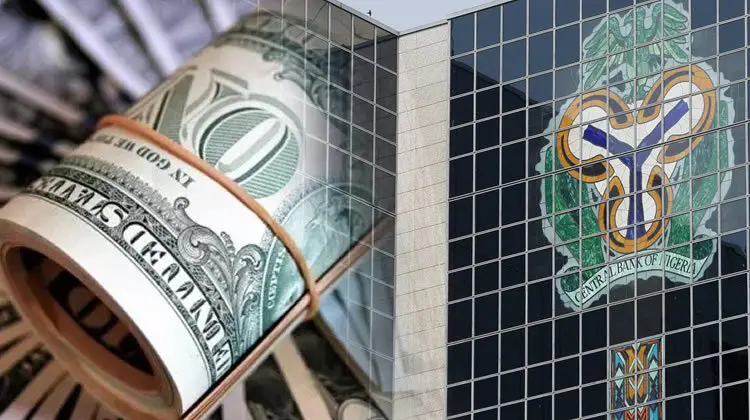
External reserves also improved significantly, rising to about $49.26 billion as of May 25, 2026, compared with $35.09 billion in May 2023. In addition, government revenue collection increased sharply, with monthly inflows rising from N711 billion in May 2023 to over N3.635 trillion by September 2025, according to official fiscal data.
Nigeria’s tax-to-GDP ratio also increased to 13.5%, reflecting improvements in tax administration and revenue mobilisation reforms.
Despite these gains, inflationary pressures remain elevated, eroding household purchasing power and increasing the cost of doing business across multiple sectors.
Key policy shifts: subsidy removal and FX reforms
One of the most consequential policy decisions under the Tinubu administration was the removal of the petrol subsidy in 2023, a move that fundamentally altered Nigeria’s fiscal structure.
Analysts estimate that the policy has saved the government between N4 trillion and N6 trillion annually in foregone subsidy expenditures. This shift has also contributed to a significant rise in distributable revenue, with Federation Account Allocation Committee (FAAC) disbursements increasing from N629 billion in March 2023 to N2.036 trillion in March 2026.
The administration also discontinued the Central Bank’s “Ways and Means” financing arrangement, which had previously supported deficit financing but contributed to liquidity expansion and inflationary pressures.
Foreign exchange reforms aimed at unifying multiple exchange rate windows have improved transparency in the FX market, although volatility in the naira has persisted.
However, these reforms triggered immediate economic adjustments, including higher fuel prices, increased transportation costs, and accelerated food inflation, which have weighed heavily on households and small businesses.
Debt levels and fiscal pressures intensify
Despite improved revenue performance, Nigeria’s debt profile has expanded significantly under the current administration.
According to the Debt Management Office (DMO), total public debt rose from N87.38 trillion in June 2023 to N159.28 trillion by December 2025, driven by new borrowing, exchange rate adjustments, and the securitisation of legacy obligations.
External debt increased from $42.49 billion in December 2023 to $51.86 billion in December 2025, while domestic debt rose from N59.1 trillion to N89.4 trillion over the same period.
The fiscal deficit also widened in 2024 to N13.51 trillion, exceeding statutory limits under the Fiscal Responsibility Act.
Debt servicing costs have risen sharply, increasing from N7.79 trillion in 2023 to N16.26 trillion in 2025, with quarterly debt service reaching a peak of N4.86 trillion in Q4 2025.
Economic analysts attribute part of the rise in borrowing to the discontinuation of “Ways and Means” financing, which previously provided quasi-monetary funding for government operations.
Experts warn that while borrowing has helped sustain fiscal stability, rising debt service obligations now place increasing pressure on public finances and long-term sustainability.
Expert perspectives: reform gains versus social costs
Economists and policy analysts describe the outcomes of the reforms as mixed, balancing improved macroeconomic discipline with significant social strain.
According to Dr. Almarouf Ojelabi of the University of Abuja, the removal of subsidies and FX reforms were necessary corrections to long-standing distortions in the economy, though implemented under difficult structural conditions.
Financial analyst Yusuf Ahmed noted that FX market reforms have improved transparency and investor confidence, even amid currency volatility.
However, public affairs analyst Bimbo Omipidan stressed that the absence of strong social safety nets has amplified the hardship associated with adjustment policies.
Experts broadly agree that inflation remains the most significant threat to economic stability and household welfare despite improvements in fiscal indicators and external buffers.
Infrastructure push and capital market performance
Alongside fiscal reforms, the administration has prioritised infrastructure development and capital market expansion as pillars of long-term growth.
Flagship projects such as the Lagos–Calabar Coastal Highway remain central to the government’s infrastructure strategy. Financing support has been secured from international partners, including approximately $1.2 billion from the United Arab Emirates for a segment of the project, alongside an additional $747 million in earlier funding commitments.
Meanwhile, Nigeria’s stock market has experienced one of its strongest rallies in recent decades. The All-Share Index has risen by about 136% since May 2023, climbing from 55,769.28 points to approximately 131,000 points by 2026, driven by investor optimism, banking sector recapitalisation, and broader economic liberalisation.
Conclusion: reform gains amid persistent hardship
As Nigeria marks three years under President Tinubu’s administration, the economic narrative remains dual-edged. On one hand, fiscal reforms have strengthened revenues, improved transparency, and supported investor sentiment. On the other, rising debt, persistent inflation, and cost-of-living pressures continue to shape public perception of the reforms.
The long-term impact of these policies is expected to remain central to Nigeria’s economic and political debate in the years ahead, particularly as the country balances stabilisation efforts with the need for inclusive growth and social protection.