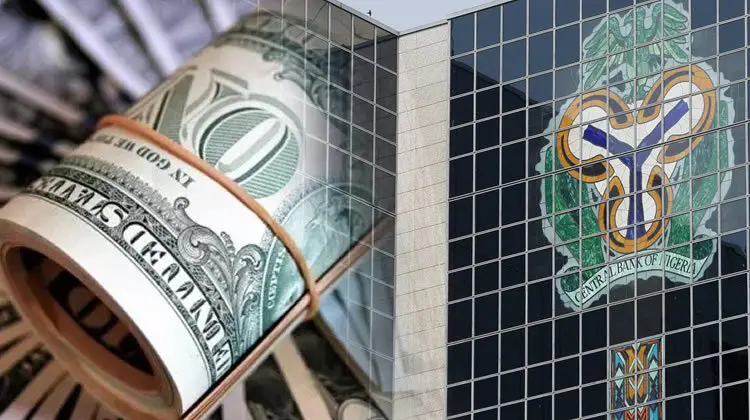
Concerns are mounting over the Federal Government’s commitment to transparency following its failure to make public details of the 2026 Appropriation Act weeks after it was signed into law.
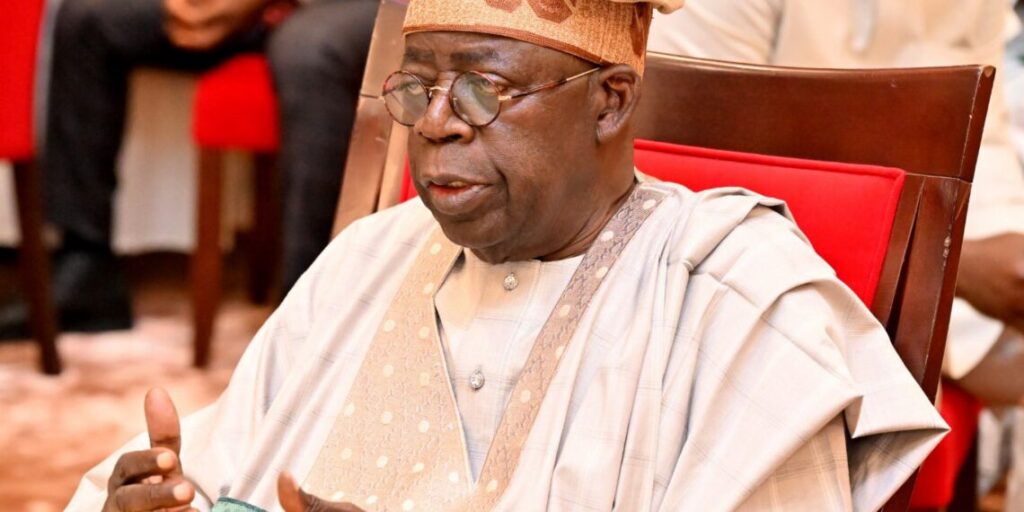
President Bola Ahmed Tinubu assented to the budget on April 17, but more than 20 days later, the full breakdown of the document remains unavailable to the public. The delay departs from established practice, where the Ministry of Finance and the Budget Office of the Federation typically release detailed revenue and expenditure projections shortly after presidential assent.
The opacity has drawn criticism, particularly given the already contentious process leading to the budget’s passage. The initial proposal was presented to the National Assembly on December 19, 2025, just days before the end of the fiscal year, forcing lawmakers to defer deliberations into 2026. By March 31, the President requested an upward revision of the budget from ₦58.47 trillion to ₦68.3 trillion—an increase of ₦9 trillion—which was subsequently approved alongside the main appropriation within 24 hours.
The Centre for Social Justice (CSJ) has strongly criticised the Budget Office for failing to upload the signed budget on its official website, thereby limiting public scrutiny. In a statement titled “Where is the 2026 budget?”, the group’s Lead Director, Eze Onyekpere, described the situation as unacceptable and called on the Director-General of the Budget Office to resign if unable to fulfil the responsibilities of the office.
According to the CSJ, the absence of both the detailed budget document and the customary public briefing by the Minister of Finance and Coordinating Minister of the Economy reflects a growing culture of fiscal opacity. The organisation stressed that Nigerians have a constitutional right to access information on how public funds are allocated and managed.
The group further argued that the delay appears deliberate and undermines citizens’ ability to participate meaningfully in fiscal governance. It noted that even the initial executive proposal submitted in December 2025 was only uploaded 20 days later, on January 8, 2026, reinforcing concerns about a pattern of delayed disclosures.
Citing Section 48(1) of the Fiscal Responsibility Act, the CSJ emphasised that the government is legally required to ensure transparency in its fiscal operations, including the timely publication of all transactions involving public revenue. It added that withholding such information runs counter to both the Freedom of Information Act and constitutional principles that guarantee citizen participation in governance.
Responding to the concerns, a senior official at the Budget Office acknowledged the delay, stating that the documents were still undergoing vetting before public release. However, no timeline was provided for when the budget details would be made available.
The continued absence of the 2026 budget breakdown has intensified scrutiny of the government’s fiscal practices, with stakeholders warning that transparency and timely disclosure remain critical to maintaining public trust and accountability.