A solar electrification initiative targeting underserved communities in northern Nigeria is beginning to deliver tangible progress, offering a new model for addressing the country’s persistent energy access gap.
When Dr. Nabilah Sani Mohammed first visited Marayar Rogo, a remote community in northern Nigeria, she encountered a stark reality—there were no electricity poles, no grid connections, and no visible source of artificial light after sunset. The experience underscored the scale of energy poverty in rural areas and shaped the direction of what would later become the DARES (Distributed Access through Renewable Energy Solutions) project.
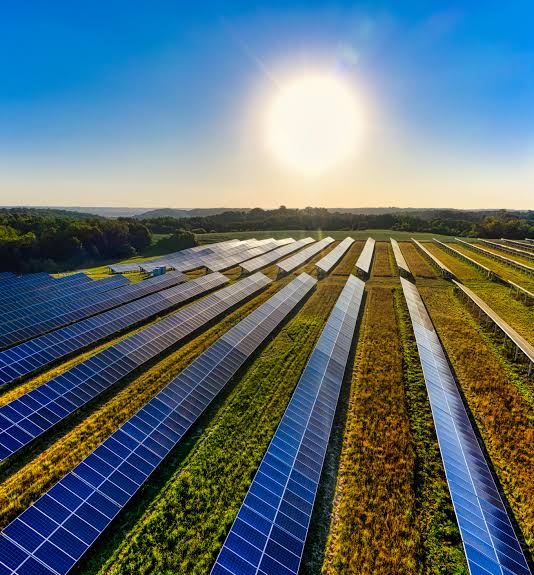
Months after that initial visit, the transformation in Marayar Rogo is becoming evident. Electricity poles have been erected, aluminium conductor cables now run through the community, and solar panels have been installed on previously unused land. Similar developments are underway in neighbouring communities such as Ballagaza, Mekiya, and Dagar.
Nigeria continues to face significant electricity access challenges, with an estimated 85 million people still without power. Rural communities, particularly in the north, are often excluded from traditional grid expansion due to their remoteness and low population density, making such investments commercially unattractive.
The DARES project seeks to address this gap by combining solar infrastructure deployment with a strong focus on community engagement. Rather than adopting a purely top-down approach, project teams engaged local leaders from the outset, explaining objectives and involving residents directly in construction activities. Community members contributed by clearing land, assisting with installations, and supporting logistics.
This approach, according to project leads, has helped build trust in areas where previous development efforts have often stalled or failed. By fostering local ownership, the initiative aims to ensure long-term sustainability beyond the installation phase.
Financing the project, however, proved complex. Rural electrification projects in Nigeria typically face extended due diligence processes, funding uncertainties, and logistical hurdles. Despite delays and multiple rounds of review, the DARES project eventually secured financial closure—marking a critical transition from planning to execution.
On the ground, implementation has not been without challenges. Poor road access, equipment transportation issues, and security concerns in parts of the region have slowed progress. In one instance, project teams had to complete part of their journey to Ballagaza by tricycle after a vehicle breakdown, arriving after dark—an experience that reinforced the urgency of their mission.
Despite these constraints, visible progress is being recorded. Solar mounting structures and cabling systems are now in place, and households in some communities are entering the connection phase.
The project operates within a broader national and international push to expand energy access, supported by government targets and funding from development institutions. However, execution remains a key challenge across the sector, with infrastructure gaps, insecurity, and community relations often determining project outcomes.
What sets the DARES initiative apart is its emphasis on sustained local engagement and adaptability in the face of operational difficulties. Project leaders maintain a consistent presence in host communities, even during delays, reinforcing commitment and accountability.
For residents, the impact is already being felt. In Marayar Rogo, where there was once no energy infrastructure, the arrival of electricity poles and cabling signals a shift that goes beyond technical metrics.
While the project will ultimately be measured in megawatts generated and connections delivered, its immediate significance lies in restoring confidence that development efforts can translate into real change. As installations near completion, communities that once waited in uncertainty are now preparing for a future with reliable electricity—one they helped build themselves.