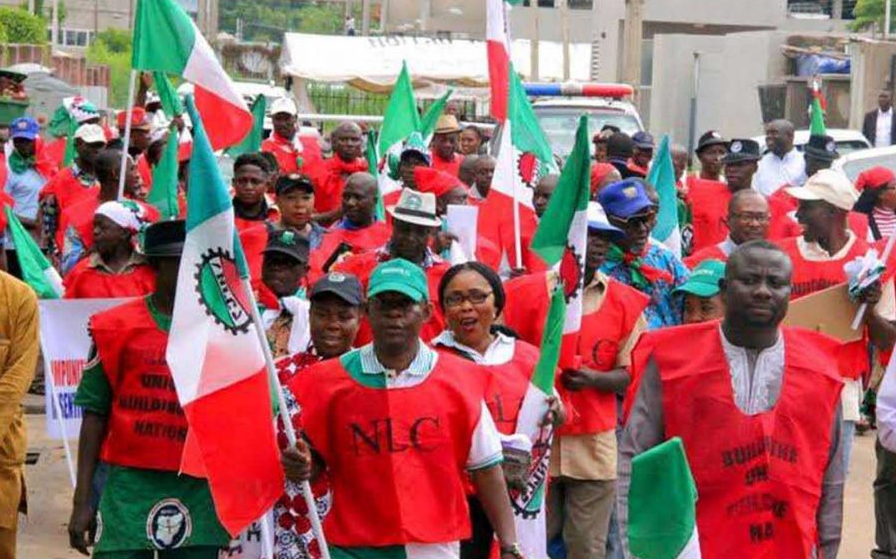
The Lagos State chapter of the Nigeria Labour Congress (NLC) has called on the state government to raise the minimum wage from N85,000 to N225,000, arguing that rising inflation has significantly eroded workers’ earnings and purchasing power.
The demand was made by the council’s chairperson, Funmi Sessi, during the 2026 International Workers’ Day celebration held at Mobolaji Johnson Arena. She emphasized that the current wage level is no longer sufficient to meet the realities of living in Lagos, where the cost of basic needs continues to surge.
According to the union, inflation—estimated at about 15.38%—has sharply increased the prices of essentials such as food, housing, transportation, healthcare, and education. As a result, many workers are struggling to maintain a decent standard of living despite being fully employed. Labour leaders noted that while the N85,000 wage increase introduced in late 2024 was initially welcomed, its value has been rapidly diminished by persistent inflation, making another review necessary to sustain worker welfare and industrial harmony.
The NLC also highlighted broader economic pressures, linking rising living costs to global factors affecting fuel prices and supply chains. In addition, the union raised concerns about worsening insecurity, warning that it continues to impact productivity and the safety of workers. It urged both federal and state authorities to strengthen security measures to protect lives and property.
Despite its criticisms, the union acknowledged ongoing efforts by the Lagos State Government, particularly in infrastructure development such as rail projects and road networks, which are aimed at improving mobility and economic activity.
The current N85,000 minimum wage was approved in October 2024 under Governor Babajide Sanwo-Olu and implemented the following month as part of measures to ease inflationary pressure. However, labour unions argue that the rapid rise in living costs has rendered the increase insufficient.
Across Nigeria, minimum wage levels vary widely depending on state capacity, but Lagos remains among the higher-paying states. Still, with inflation continuing to squeeze household incomes nationwide, labour groups are intensifying calls for wage adjustments to reflect current economic realities and protect workers from deepening financial strain.