
Afreximbank and NEXIM Sign $30 Million Facility to Finance Nigerian SMEs and Export Businesses
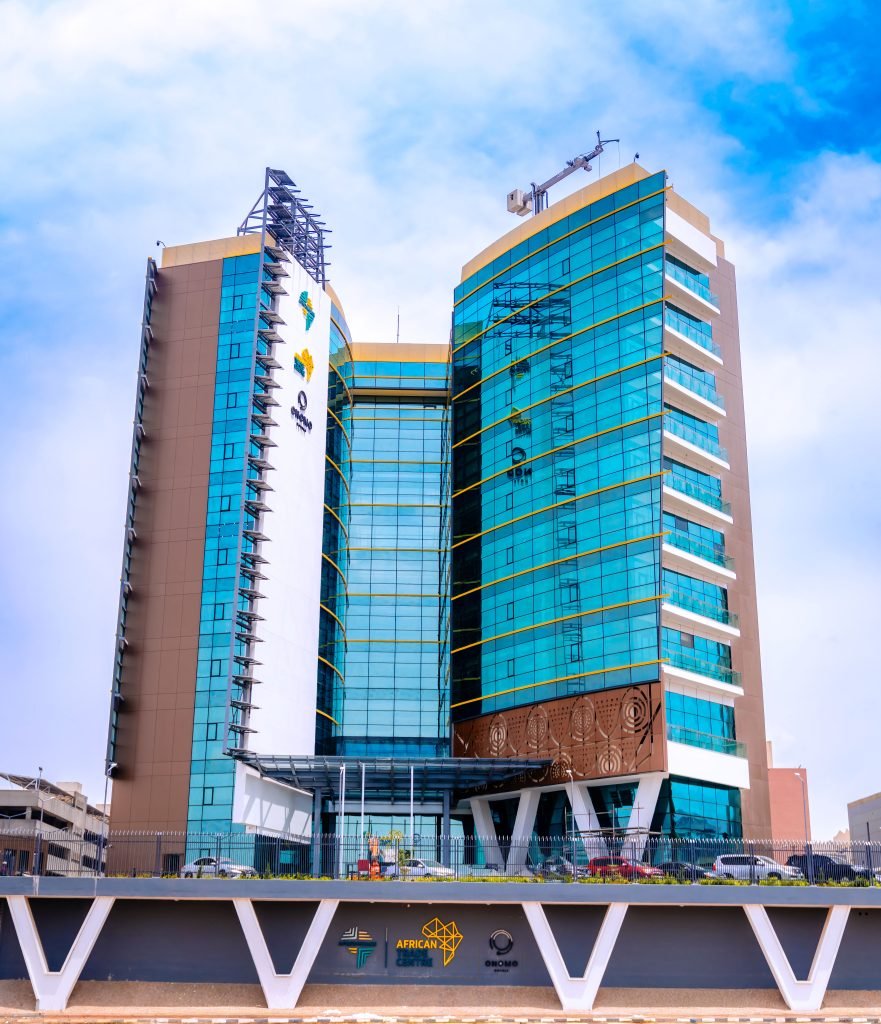
The African Export-Import Bank (Afreximbank) and the Nigerian Export-Import Bank (NEXIM) have signed a $30 million financing agreement aimed at expanding access to credit for Nigerian small and medium-sized enterprises and businesses involved in export activities.
The facility will provide additional funding for businesses seeking to expand production, finance working capital requirements, acquire equipment and fulfil export orders across African and international markets.
Under the agreement, Afreximbank will extend the $30 million facility to NEXIM, which will provide financing to eligible Nigerian businesses across key sectors.
The arrangement is structured to support both working capital and capital expenditure, addressing two important financing requirements for businesses seeking to increase their production and export capacity.
Working capital financing can help businesses purchase raw materials, pay suppliers, meet operational expenses and fulfil customer orders.
Capital expenditure financing, on the other hand, provides funding for longer-term investments such as machinery, production facilities and other assets required to expand business operations.
The facility is also expected to support eligible companies operating in Nigeria’s creative economy, including businesses involved in fashion, film, music, design and other creative industries.
The agreement was announced during the Creative Africa Nexus Weekend 2026, which brought together investors, entrepreneurs, creative professionals and policymakers in Lagos.
It was signed by Afreximbank’s Executive Vice President for Intra-African Trade and Export Development, Kanayo Awani, and NEXIM Managing Director and Chief Executive Officer, Abba Bello.
Awani said Nigerian small businesses and export-oriented enterprises require adequate financing to expand production, invest in productive capacity and compete more effectively in international markets.
She explained that the facility would combine NEXIM’s export-financing capabilities with Afreximbank’s broader trade-development mandate to improve the participation of Nigerian businesses in regional and global value chains.
Bello said the agreement would help more Nigerian companies add value locally, fulfil export orders and access new markets across Africa and beyond.
The partnership is particularly relevant as Nigeria seeks to diversify its sources of foreign exchange earnings away from crude oil.
Although the country has substantial agricultural, industrial and creative resources, many local businesses struggle to access the financing required to meet export standards, expand production and compete with foreign suppliers.
Small and medium-sized enterprises often face higher borrowing costs and stricter lending requirements than large corporations.
The challenge is particularly pronounced for businesses that lack substantial collateral or have limited financial records, despite having products with export potential.
Export-oriented businesses also face additional financing pressures because they may need to pay for raw materials, production and logistics before receiving payment from foreign customers.
A dedicated financing facility can therefore help bridge the gap between production expenditure and export revenue.
The inclusion of creative businesses is another important aspect of the agreement.
Nigeria’s film, music, fashion and design industries have developed growing international audiences, but many companies operating in these sectors remain relatively small and struggle to secure conventional business financing.
Providing access to working capital and investment funding could help these companies expand production, develop commercially viable intellectual property and reach more international markets.
The facility also aligns with broader efforts to deepen intra-African trade under the African Continental Free Trade Area.
Businesses that can increase production and meet the requirements of regional markets stand to benefit from opportunities to sell goods and services across African economies.
However, the agreement is a financing facility between two development banks and should not be interpreted as $30 million already disbursed to businesses.
NEXIM will be responsible for onward lending to eligible companies, with access depending on the eventual lending criteria, application process and approval requirements.
The banks have not provided a detailed breakdown of the number of businesses expected to benefit, individual loan limits, interest rates or the timing of the first disbursements.
The actual impact will therefore depend on how quickly the facility becomes available and whether its lending terms are accessible to the businesses it is designed to support.
For Nigeria, expanding export finance remains important because increased production alone will not guarantee higher non-oil export earnings without the working capital, infrastructure and market access required to compete internationally.




