
Dangote Refinery Raises Cooking Gas Price by 8.1% to ₦1,000 Per Kilogram
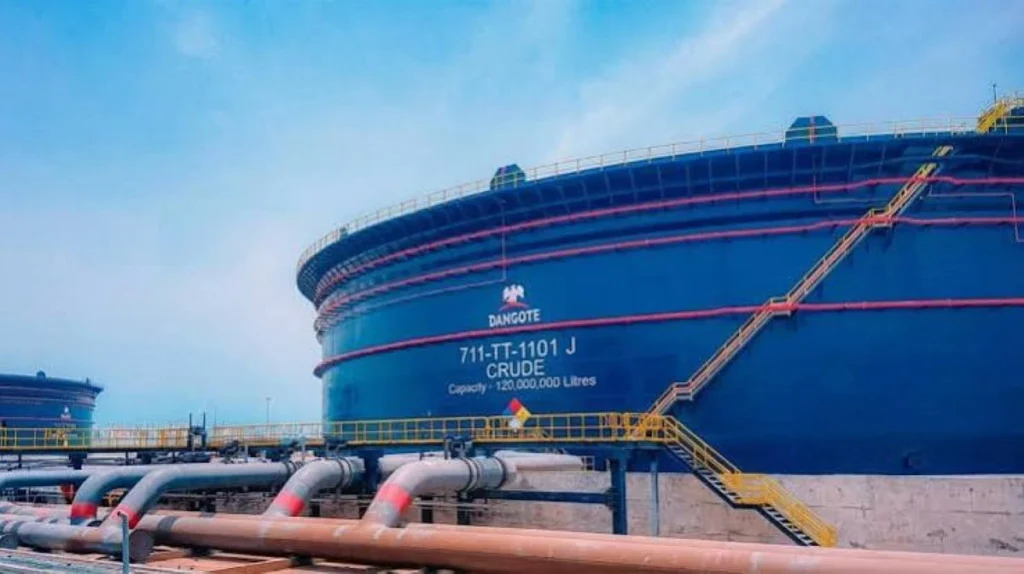
Nigerian households, restaurants and businesses that rely on liquefied petroleum gas (LPG), commonly known as cooking gas, are facing the possibility of higher operating costs after Dangote Refinery increased its gantry price by 8.1 per cent.
The refinery raised the price of cooking gas from ₦925 to ₦1,000 per kilogram, representing an increase of ₦75 per kilogram.
The adjustment at the gantry level is significant because it affects the price at which marketers purchase LPG directly from the refinery before transporting and selling it to consumers.
With the increase, retailers and distributors may adjust their selling prices to reflect the higher replacement cost of the product.
At an average retail price of approximately ₦1,400 per kilogram in major outlets, filling a 5kg cylinder currently costs around ₦7,000. Any further increase in the retail price would raise the amount households spend to refill their cylinders.
How the increase affects households
Cooking gas has become an important source of energy for Nigerian households, restaurants, food vendors and small businesses.
The product is widely used as an alternative to firewood, charcoal and kerosene, particularly among urban households and businesses seeking cleaner and more convenient cooking options.
However, the rising cost of LPG has increased the financial burden on consumers who depend on it for daily cooking.
A ₦75 increase at the gantry level does not necessarily translate into an identical increase at every retail outlet. The final price paid by consumers depends on additional costs, including transportation, loading, distribution, storage and marketers’ operating margins.
Nevertheless, the increase creates upward pressure on retail prices because marketers must account for the higher cost of replenishing their stock.
For a household purchasing 12.5kg of cooking gas, for example, a retail increase of ₦50 per kilogram would add ₦625 to the cost of refilling the cylinder.
Restaurants, bakeries and food vendors could also face higher operating expenses because cooking gas is a major input in their daily operations.
Why cooking gas prices remain volatile
The increase comes despite efforts to expand domestic LPG supply and reduce Nigeria’s dependence on imported cooking gas.
Local supply alone does not determine the final price consumers pay. International energy prices, foreign exchange exposure, shipping and insurance expenses, domestic transportation and distribution costs also influence LPG pricing.
Marketers must also recover the costs of loading, plant operations, financing, personnel and maintenance before delivering the product to consumers.
These expenses can create significant differences between the price at which LPG leaves a refinery or depot and the amount households eventually pay at retail outlets.
The structure of the domestic market also means that changes in the price of a major supplier can influence the wider market, particularly when other distributors adjust their replacement-cost calculations.
Implications for food prices and small businesses
The increase in cooking gas prices could have wider implications beyond household energy expenditure.
Food businesses that rely heavily on LPG may experience higher production costs, particularly where they operate on relatively narrow profit margins.
Restaurants, bakeries, catering businesses and street-food vendors may respond by absorbing the additional costs, reducing operating expenses or adjusting the prices of their products.
If the increase is sustained and passed through across the food-service sector, it could contribute to higher prices for some prepared meals.
However, the extent of the impact will depend on the size and duration of the LPG price increase, the availability of alternative energy sources and the ability of businesses to absorb additional expenses.
For households already managing food, transportation and other living costs, another increase in cooking expenses could further constrain disposable income.
The latest adjustment highlights the importance of improving domestic supply, transportation infrastructure and distribution efficiency to make cooking gas more affordable and accessible to Nigerian consumers.




