
Nigeria’s Cocoa Exports to US Jump 554% to $142 Million
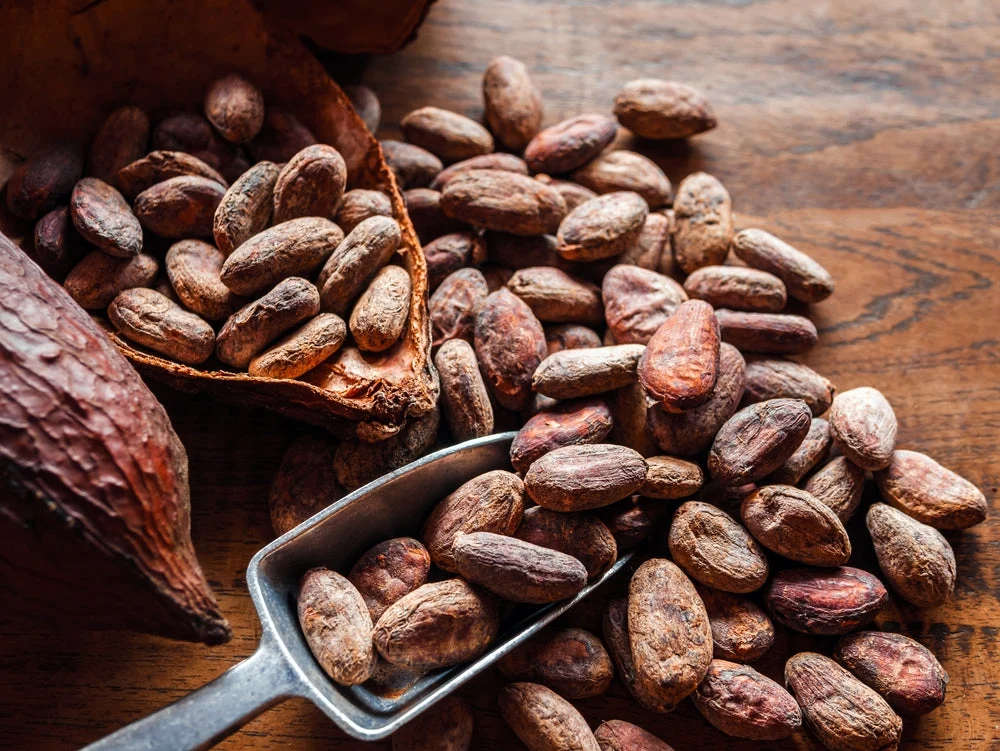
Nigeria’s cocoa bean exports to the United States rose by 554 per cent to $142 million in 2025, compared with $21.7 million recorded in 2024, according to figures disclosed by the United States Mission in Nigeria.
The sharp increase highlights the potential of cocoa to contribute more significantly to Nigeria’s foreign exchange earnings at a time when the country is seeking to diversify export revenue beyond crude oil.
The US Mission disclosed the figures in a social media post on Tuesday, noting that the reported value covered exports to the United States alone and did not include Nigeria’s cocoa trade with other major markets such as Europe, China and India.
The increase points to a stronger export opportunity for Nigerian cocoa producers and traders. However, the figures represent the value of exports to one destination and should not be interpreted as Nigeria’s total cocoa export earnings across all international markets.
The development comes amid the Federal Government’s renewed push to expand local agricultural processing and retain a greater share of the value generated from the country’s commodities.
In July, President Bola Tinubu announced plans to end the export of raw cocoa beans, arguing that Nigeria should move away from shipping unprocessed agricultural products abroad while importing finished goods manufactured from those same commodities.
The government’s stated objective is to encourage domestic processing, create jobs, attract investment and increase the amount of value retained within the Nigerian economy.
Speaking at the 2026 Cocoa Value Addition Summit in Abuja, Agriculture and Food Security Minister Abubakar Kyari, who represented the President, reiterated the administration’s commitment to building a stronger cocoa value chain through local processing and manufacturing.
The summit brought together government officials, state representatives, development partners, financiers and other industry stakeholders to discuss a roadmap for increasing value addition across Africa’s cocoa industry.
Kyari said Africa produces about 70 per cent of the world’s cocoa but captures only a limited share of the more than $130 billion global chocolate industry. Much of the processing, branding and manufacturing of cocoa products takes place outside the continent, leaving producing countries with less of the final value generated by the industry.
For Nigeria, expanding local processing could create opportunities in cocoa grinding, butter and powder production, chocolate manufacturing, packaging, logistics and other supporting activities. These industries could also create additional demand for agricultural workers and small businesses involved in the supply chain.
However, higher export values alone will not guarantee that farmers receive better incomes or that Nigeria captures more of the global cocoa market. The country would need reliable access to financing, improved farm productivity, quality control, storage facilities, transport infrastructure and sufficient processing capacity.
Any policy aimed at restricting raw cocoa exports would also need to account for the ability of local processors to purchase beans at competitive prices. If domestic factories cannot absorb available supply or offer viable prices, farmers and traders could face difficulties finding buyers.
The latest export figures provide evidence of the commercial opportunity available to Nigeria’s cocoa industry. The next challenge is to convert that demand into a more developed domestic value chain that supports farmers, processors, exporters and manufacturers while increasing the country’s non-oil export earnings.




