
Shell Agrees to Sell Nigerian Domestic Gas Business to Vaaris Energy in Strategic Portfolio Shift
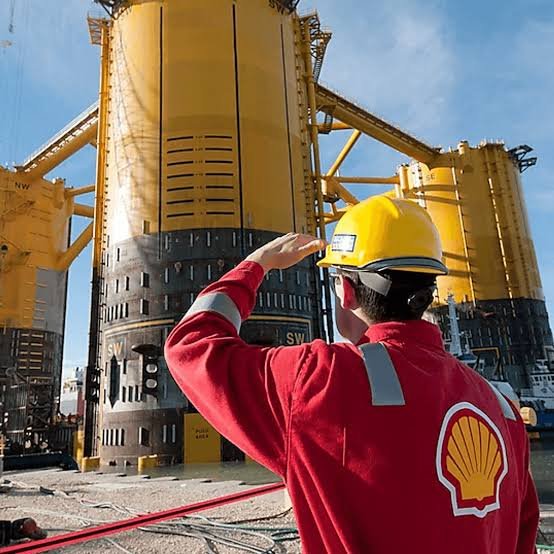
Shell has signed an agreement to sell its entire interest in Shell Nigeria Gas Group, which operates a domestic gas distribution business in Nigeria, to Vaaris Energy, marking another change in the structure of the country’s energy industry.
The agreement was announced by Shell on Tuesday, October 13, 2026. The companies did not disclose the financial value of the transaction or provide further details about the terms of the deal.
Vaaris Energy is a privately held Nigerian energy company with interests across the oil and gas value chain and an existing operational presence in the country.
The transaction forms part of Shell’s broader effort to simplify its portfolio and focus on businesses it considers strategically important. Reuters reported that the company has been adjusting its global portfolio under Chief Executive Officer Wael Sawan, with greater emphasis on oil and gas projects that can deliver stronger returns.
Shell said it would continue to focus on strategic deepwater and integrated gas operations in Nigeria. Elohor Aiboni, the company’s country chair, reiterated the importance of those areas to its Nigerian business.
The sale of the domestic gas distribution business does not, by itself, mean that Shell is leaving Nigeria. Rather, it represents a change in the composition of its operations as the company seeks to concentrate on selected assets and activities.
Domestic gas distribution plays an important role in connecting gas supplies to commercial and industrial users. Reliable gas availability can support manufacturing, power generation and other businesses that require energy for their operations.
The transaction could therefore have implications for the domestic gas market, although its eventual impact will depend on the structure of the acquisition, the assets involved and how Vaaris manages the business after completion.
For Nigeria, the broader development comes amid efforts to expand gas utilisation and improve energy availability for industrial and commercial users. Gas is considered an important component of the country’s energy mix because it can supply power plants and industrial facilities while supporting the development of domestic energy value chains.
However, increasing gas use requires more than access to reserves. Distribution infrastructure, pipeline reliability, pricing arrangements, financing and the ability of customers to pay for supplies all affect the commercial viability of the market.
A change in ownership could create opportunities for a local energy company to expand its role in the sector, but the benefits cannot be assumed before the transaction is completed and the company’s plans become clearer.
The deal also reflects a wider pattern in Nigeria’s oil and gas industry, where international energy companies have been reshaping their portfolios while local firms seek to acquire assets and build stronger positions across the value chain.
Such transactions can alter the distribution of investment and operational responsibility within the sector. Their contribution to the domestic economy will depend on whether new ownership supports sustained investment, reliable operations and the development of local technical and commercial capacity.
The undisclosed value of the transaction means its immediate financial significance remains uncertain. Regulatory requirements and the completion process will also determine when the change in ownership takes effect.
For investors and energy-market participants, the agreement is another indication that Nigeria’s gas industry remains an area of strategic activity, even as international companies reassess the assets they want to retain.
The next important developments will be the completion of the sale, any further details about the transaction and Vaaris Energy’s plans for the domestic distribution business.




