Naira Hits Two-Year High at N1,331/$ as Reserves Near $55bn
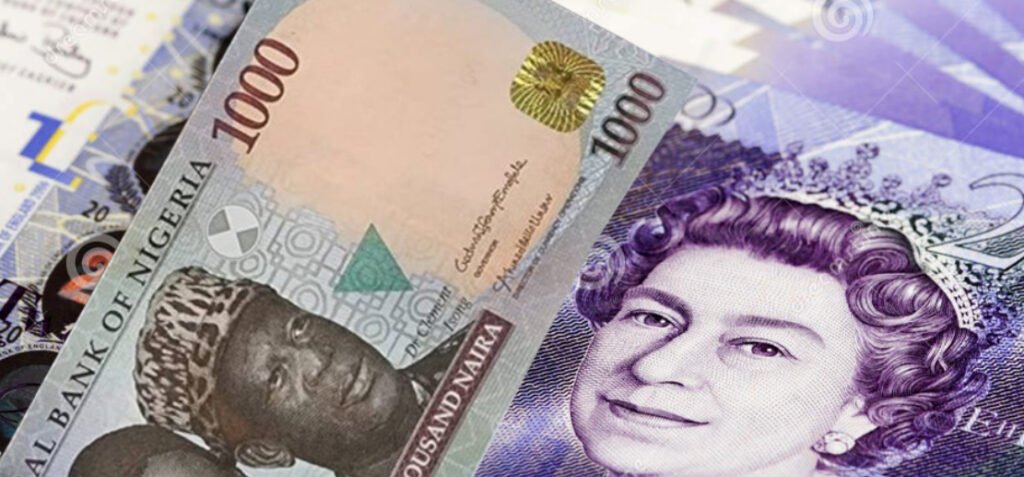
Nigeria’s naira has strengthened to its strongest level in about two years, with the currency trading at N1,331.77 to the dollar in the official foreign exchange market on Wednesday, as stronger dollar inflows and improved liquidity continue to support the local currency.
The latest appreciation comes despite the Central Bank of Nigeria’s decision last month to cut its benchmark interest rate, a move that had raised concerns that lower yields could weaken the naira by reducing the attractiveness of naira-denominated assets.
Instead, the currency has continued to gain ground as foreign exchange supply improves and external reserves accumulate.
Data cited by BusinessDay showed that the naira has appreciated by 24.68 percent, or N328.72, from the N1,660.49/$ level recorded on October 18, 2024. In the parallel market, the currency has also strengthened substantially from the N1,720/$ level recorded around the same period.
The improvement is being supported by a stronger external position. Nigeria’s foreign exchange reserves stood at approximately $54.98 billion as of October 6, 2026, representing a 24.68 percent increase from the $42.54 billion recorded a year earlier.
The composition of foreign exchange inflows has also changed significantly.
According to CBN Deputy Governor Muhammad Sani Abdullahi, Nigeria recorded $10.82 billion in total FX inflows in July, with autonomous sources accounting for $7.33 billion, or almost 68 percent. Remittances through International Money Transfer Operators reached $950 million, while net foreign portfolio inflows amounted to $6.31 billion between January and August.
That development is important because it means the CBN is becoming less dependent on direct intervention to supply dollars to the market.
Analysts at FSDH Merchant Bank said the naira’s appreciation reflects stronger autonomous FX supply, rising reserves and improving confidence in Nigeria’s market-based foreign exchange framework.
The currency’s recent performance also coincides with an improvement in Nigeria’s broader macroeconomic indicators. Inflation has fallen considerably from the elevated levels recorded during the initial phase of the government’s economic reforms, while the World Bank has raised its 2026 growth forecast for Nigeria to 4.3 percent.
However, the stronger naira does not eliminate the country’s underlying FX vulnerabilities. Portfolio capital can reverse quickly, while Nigeria remains exposed to oil-price movements, external shocks and changes in global investor sentiment.
For businesses, however, the current stability offers a more predictable environment for importing machinery, raw materials and other dollar-denominated inputs. It could also reduce the naira cost of foreign debt and imported goods if the trend is sustained.
The immediate challenge for policymakers will therefore be turning the recent currency stability into a durable improvement rather than another temporary period of naira strength.