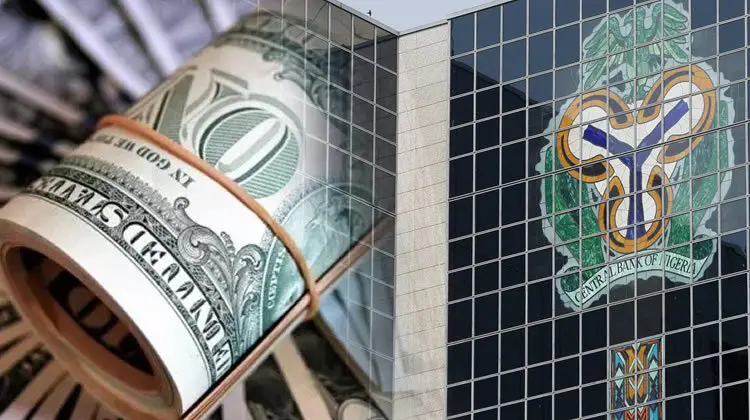

Nigeria’s currency recorded fresh gains against the US dollar in the official foreign exchange market, with the naira appreciating to ₦1,357/$ on Wednesday amid sustained interventions by the Central Bank of Nigeria and stronger demand for the local currency.
The official exchange rate improved from about ₦1,375.5/$ at the beginning of May to ₦1,357/$, representing an appreciation of roughly 1.2 percent within one week.
Analysts attributed the improvement to increased participation by both foreign and domestic investors, alongside the CBN’s continued efforts to stabilise the FX market through liquidity management and monetary tightening measures.
Trading activity in the official market has also increased significantly, signalling deeper price discovery as businesses and traders increasingly respond to daily market movements rather than merely hedging against naira depreciation.
The report noted that the Nigerian foreign exchange market has become more sensitive to policy signals, reflecting evolving investor confidence in the country’s monetary framework.
However, analysts expect the naira could face renewed pressure in the second half of 2026 as liquidity rises ahead of the 2027 election cycle. More than ₦10.53 trillion is expected to enter the financial system in May through maturing Treasury Bills and Open Market Operations (OMO), potentially testing the CBN’s ability to mop up excess liquidity.
The apex bank’s hawkish monetary stance — characterised by high interest rates aimed at combating inflation — has continued to attract investors into naira-denominated assets such as Treasury Bills, helping support the local currency.
Globally, the US dollar also weakened against major currencies. The US Dollar Index hovered around 98 points after recent declines driven by weaker US manufacturing and retail sales data, which reduced expectations of aggressive interest rate hikes by the US Federal Reserve.
Currency traders are now closely monitoring signals from the Federal Reserve System regarding future interest rate direction. Market attention is also focused on upcoming US labour market data, including the April jobs report and private sector employment figures, which could influence the dollar’s global strength.
Meanwhile, easing geopolitical tensions involving Iran and the United States, alongside lower oil prices, have also contributed to reduced safe-haven demand for the dollar in global markets.