
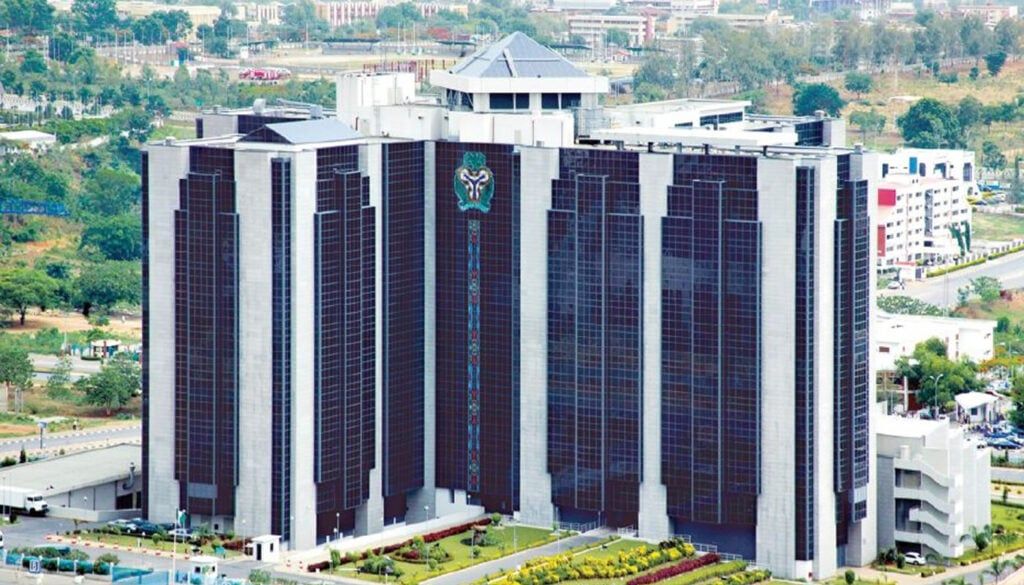
Nigerians spent an estimated ₦1.41 trillion on beer, malt and spirits during the first half of 2026, according to the combined financial statements of the country’s three largest brewing companies.
The figures were compiled from the H1 2026 results of Nigerian Breweries Plc, International Breweries Plc, and Guinness Nigeria Plc, which together account for approximately 90% of Nigeria’s formal brewing industry.
Key highlights
- Combined H1 2026 spending on beer, malt and spirits reached approximately ₦1.41 trillion.
- The estimate is based on the financial performance of Nigeria’s three largest brewers.
- Together, the companies represent about 90% of the country’s formal brewing market.
- Two of the three brewers recorded strong revenue growth during the period.
What the data is saying
Despite a challenging consumer environment, the industry continued to expand its top line during the first six months of the year.
Revenue growth was driven largely by:
- Product price increases to offset higher operating costs.
- Portfolio diversification, including expansion into new beverage categories.
- Continued investment in marketing and production capacity.
These strategies helped support sales even as inflation and changing consumer preferences influenced purchasing decisions.
More insights
The brewing industry is navigating a significant shift in consumer behaviour.
Younger Nigerians are increasingly moving away from traditional beer consumption in favour of:
- Spirits.
- Wine.
- Ready-to-drink (RTD) beverages.
- Non-alcoholic alternatives.
This evolving demand pattern has prompted brewers to broaden their product offerings rather than rely solely on conventional lager and malt brands.
At the same time, higher prices have played a major role in boosting revenue, meaning that sales growth has not necessarily translated into equivalent increases in consumption volumes.
What you should know
Nigeria remains one of Africa’s largest beverage markets, but consumer preferences continue to evolve.
Key takeaways include:
- Nigerians spent an estimated ₦1.41 trillion on alcoholic beverages and malt drinks in H1 2026.
- Nigerian Breweries, International Breweries and Guinness Nigeria continue to dominate the formal brewing industry.
- Revenue growth has been supported by price adjustments, product innovation, and capacity expansion.
- The industry is increasingly adapting to a market where consumers are embracing spirits, RTDs and non-alcoholic beverages alongside traditional beer.
While the sector continues to generate substantial revenues, long-term growth is likely to depend less on traditional beer sales and more on brewers’ ability to respond to changing consumer tastes through innovation, premium offerings and diversified beverage portfolios.