
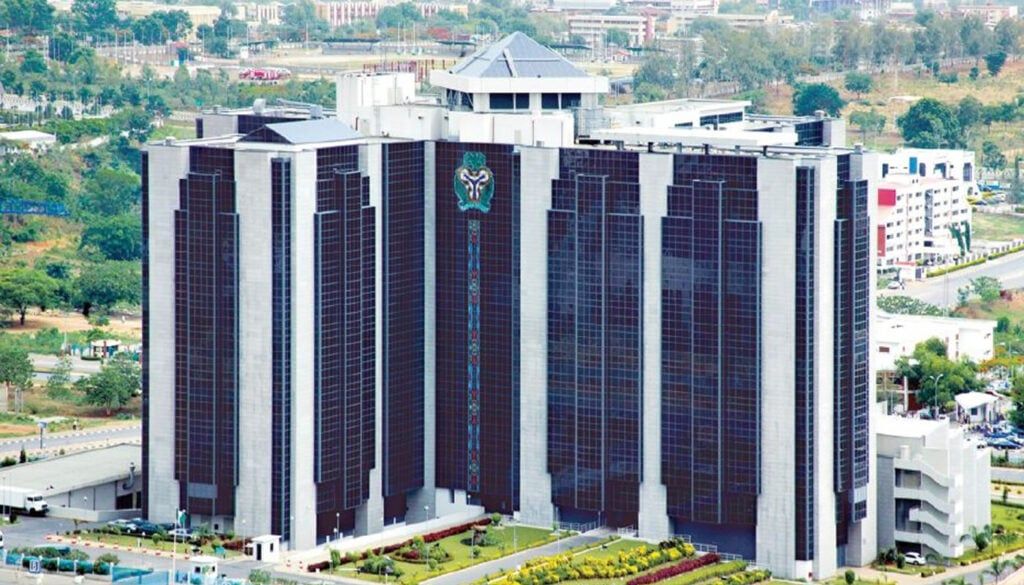
Nigeria’s external reserves rose to $52.02 billion as of July 20, 2026, reaching their highest level since January 2009 and exceeding the Central Bank of Nigeria (CBN)’s projected reserve level for the end of the year.
Checks on the CBN’s database showed that the country’s reserves last stood at a comparable level of $52.01 billion on January 15, 2009, marking the strongest reserve position in more than 17 years.
The latest figure also surpasses the CBN’s projected 2026 year-end reserve target of approximately $51.04 billion, highlighting the stronger-than-expected accumulation of foreign exchange reserves.
What the data is saying
Nigeria’s external reserves increased from $51.45 billion at the end of June 2026 to $52.02 billion by July 20, representing a gain of approximately $570 million within a few weeks.
Crossing the $52 billion threshold is significant for several reasons:
- It marks the country’s highest external reserve level since January 2009.
- It exceeds the CBN’s own projection for the end of 2026 months ahead of schedule.
- It strengthens the country’s capacity to meet external obligations, support the foreign exchange market, and cushion against external economic shocks.
The continued reserve build-up reflects stronger foreign currency inflows and the CBN’s ongoing efforts to reinforce Nigeria’s external buffers.
More insights
A stronger reserve position provides the CBN with greater flexibility to intervene in the foreign exchange market when necessary, helping to moderate excessive exchange rate volatility and improve investor confidence.
The reserve growth also comes at a time when the naira has shown greater stability compared to the sharp volatility experienced during 2024 and early 2025.
Higher reserves improve Nigeria’s ability to finance imports, service external debt, and absorb potential shocks arising from fluctuations in global oil prices or international financial markets.
However, economists note that maintaining elevated reserve levels will depend on the sustainability of foreign exchange inflows, including oil export earnings, diaspora remittances, foreign portfolio investment, and ongoing economic reforms.
With global oil prices remaining volatile, preserving reserve growth will require continued fiscal discipline, stable crude oil production, and effective foreign exchange management.
What you should know
Nigeria’s latest reserve position represents one of the country’s strongest external sector performances in nearly two decades.
Key highlights include:
- External reserves rose to $52.02 billion as of July 20, 2026.
- This is the highest reserve level since January 2009.
- The figure exceeds the CBN’s projected 2026 reserve target of approximately $51.04 billion.
- Reserves increased by roughly $570 million from $51.45 billion at the end of June.
- Higher reserves strengthen the CBN’s ability to support the naira, finance imports, meet external obligations, and enhance investor confidence.
The latest milestone reinforces the improvement in Nigeria’s external position and provides the CBN with a stronger buffer against global economic uncertainties. Going forward, sustaining reserve growth will remain critical to preserving exchange rate stability, supporting macroeconomic resilience, and maintaining confidence in Nigeria’s ongoing economic reforms.