
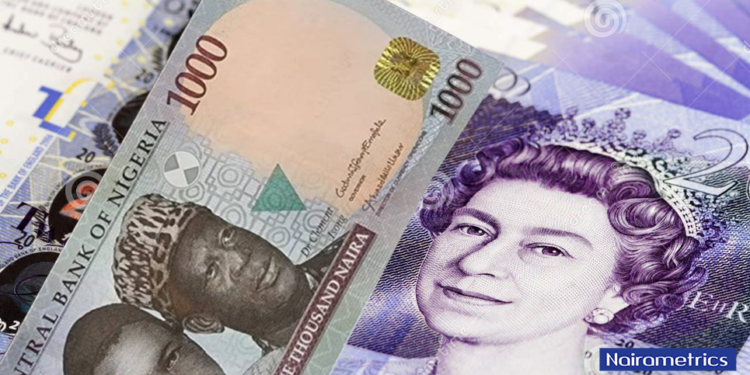
The Nigerian naira recorded its steepest single-day depreciation since April 2026 after weakening to N1,389 per US dollar at the official foreign exchange market on June 24, 2026.
Data from the Central Bank of Nigeria showed the local currency lost N16 against the dollar, compared with the N1,373/$ closing rate recorded on June 23.
Dollar strength pressures the naira
The decline occurred amid broad-based strength in the US dollar across global markets, which placed pressure on several emerging market currencies.
During the trading session, the naira fluctuated within a range of N1,368/$ to N1,392/$, indicating heightened volatility as market participants responded to changing demand and supply conditions in the foreign exchange market.
What the move means
A weaker naira generally has several implications for the economy:
- Higher import costs for businesses and consumers.
- Increased pressure on inflation through imported goods.
- Rising costs for manufacturers reliant on foreign raw materials.
- Higher naira value of external debt obligations.
- Potentially stronger export competitiveness if export volumes increase.
The N16 decline is notable because it represents the largest one-day movement in the official market in several months, highlighting the sensitivity of the exchange rate to shifts in global dollar liquidity and investor sentiment.
Reserves remain a key support
Despite the recent weakness, Nigeria’s external reserves remain relatively strong, having recently climbed above $51 billion, their highest level in about 17 years.
The reserve position provides the CBN with additional capacity to manage volatility in the foreign exchange market and support liquidity when necessary.
Market outlook
The direction of the naira in the coming weeks is likely to depend on several factors, including:
- Global US dollar movements.
- Crude oil prices and export receipts.
- Foreign portfolio investment inflows.
- CBN liquidity and foreign exchange management policies.
- Demand from importers and other foreign exchange users.
While a single-day depreciation does not necessarily indicate a sustained trend, the sharp move serves as a reminder that exchange-rate stability remains closely tied to both domestic liquidity conditions and developments in global financial markets.