
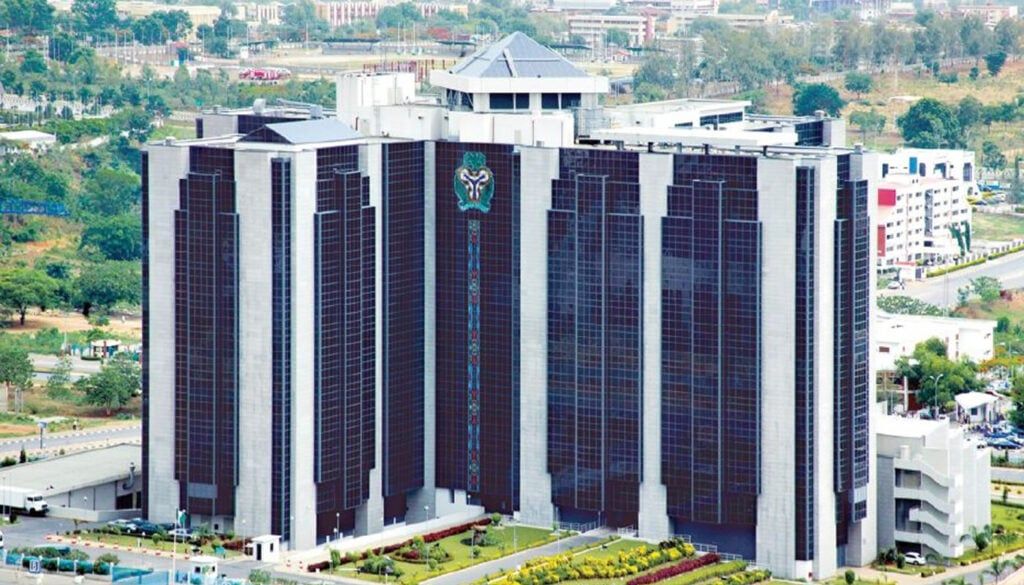
Credit extended to the Nigerian government rose significantly over the past year, reaching N40.38 trillion in May 2026, as public-sector borrowing continued to expand despite the relatively tight monetary policy environment maintained by the Central Bank of Nigeria (CBN).
According to the latest CBN data, credit to government increased by N17.39 trillion from N22.99 trillion recorded in May 2025, representing a substantial year-on-year growth in government borrowing.
On a monthly basis, government credit also rose from N39.60 trillion in April 2026, indicating continued demand for financing during the period.
What the data is saying
The latest figures suggest that government borrowing remained a major driver of credit growth within the financial system.
The increase reflects continued reliance on domestic financing channels to support budget implementation, debt refinancing, infrastructure spending, and other fiscal obligations.
Despite elevated interest rates and ongoing monetary tightening measures, public-sector demand for credit has remained strong.
Banks continue increasing exposure to government instruments
The rise in government credit indicates that financial institutions continued to allocate significant portions of their assets toward government-related lending and securities.
This trend is often supported by several factors:
- Perceived lower credit risk of government-backed instruments.
- Attractive yields on Treasury Bills and government bonds.
- Liquidity management considerations.
- Regulatory and capital adequacy requirements.
Government securities have remained particularly attractive amid elevated interest rates and ongoing efforts by the CBN to manage liquidity within the banking system.
Contrast with private-sector credit growth
While credit to government expanded significantly, growth in private-sector credit was comparatively more moderate during the period.
This divergence reflects the impact of the current high-interest-rate environment, which has increased borrowing costs for businesses and households.
Higher financing costs typically reduce demand for loans from private-sector borrowers while making government securities more attractive to banks and investors.
Implications for the economy
The continued increase in government borrowing has several implications:
- Supports government spending and fiscal operations.
- Provides investment opportunities for banks and institutional investors.
- May increase debt-servicing obligations over time.
- Can potentially crowd out private-sector borrowing if government demand for funds becomes dominant.
Economists often monitor the balance between public and private-sector credit growth because sustained government borrowing can influence the availability and cost of credit across the broader economy.
Outlook
With the Federal Government continuing to rely on domestic debt markets to finance budgetary requirements, credit to government may remain elevated in the coming months.
Future trends will likely depend on:
- Fiscal financing needs.
- Treasury Bill and bond issuance programmes.
- CBN monetary policy decisions.
- Banking system liquidity conditions.
- Government revenue performance.
As Nigeria navigates a high-interest-rate environment, the interaction between public-sector borrowing, private-sector credit expansion, and monetary policy will remain a key indicator of the country’s financial and economic direction in the second half of 2026.