
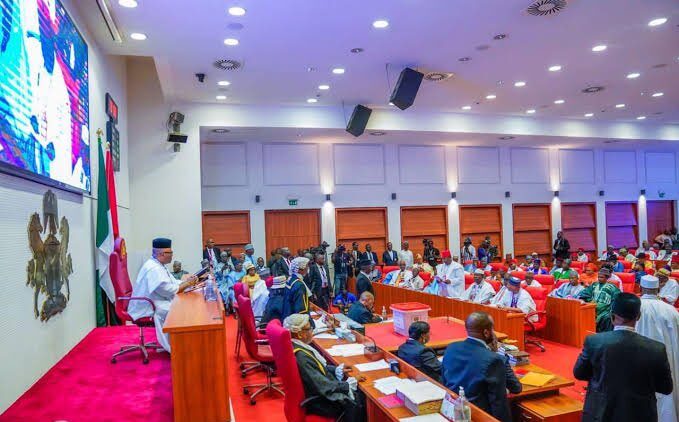
The Nigerian Senate has approved a three-month extension for the implementation of the capital component of the 2025 Appropriation Act, shifting the deadline from June 30, 2026, to September 30, 2026.
The decision was adopted during plenary on Thursday, June 11, as lawmakers moved to improve budget execution and prevent the abandonment of ongoing government projects across the country.
What the Senate Approved
The extension specifically affects the capital expenditure component of the 2025 budget, giving Ministries, Departments and Agencies (MDAs) additional time to utilise allocated funds and complete projects already underway.
According to the Senate, the extra three months became necessary due to:
- Delays in project execution across various sectors.
- Procurement bottlenecks affecting contract awards and implementation.
- Administrative and bureaucratic processes that slowed the utilisation of released funds.
- The need to ensure ongoing projects are completed rather than abandoned midway.
Why It Matters
Capital expenditure covers government spending on infrastructure and development projects such as:
- Roads and highways
- Rail and transportation projects
- Schools and educational facilities
- Healthcare infrastructure
- Water and power projects
- Public buildings and other strategic investments
By extending the implementation period, the Senate aims to improve capital budget performance and allow MDAs to fully deploy available funds before the budget lapses.
Broader Context
Budget implementation challenges have remained a recurring issue in Nigeria, with many MDAs struggling to execute capital projects within the approved fiscal timeline due to funding delays, procurement hurdles, and administrative constraints.
The latest extension reflects ongoing efforts by lawmakers to improve project delivery and maximise the impact of government spending on infrastructure and economic development.
What You Should Know
The extension means that agencies of government now have until September 30, 2026, to implement and complete projects funded under the capital component of the 2025 budget.
The move is expected to support ongoing infrastructure projects, reduce the risk of abandoned contracts, and improve overall budget execution rates before the implementation window closes.