
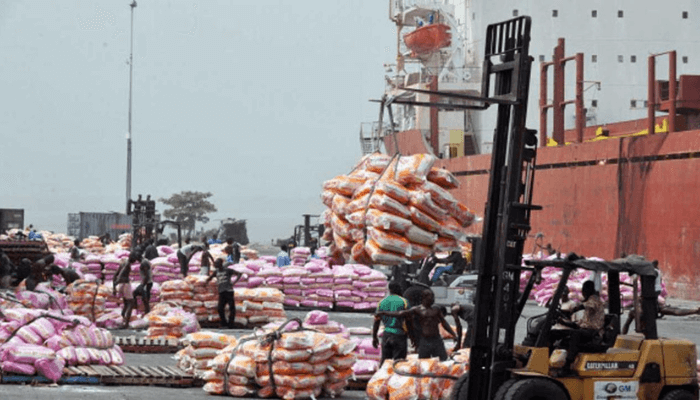
Nigeria’s food and beverage imports declined to N1.39 trillion in the first quarter of 2026, indicating a reduction in the country’s expenditure on imported food products compared to the same period in 2025.
According to the latest foreign trade statistics released by the National Bureau of Statistics, food and beverage imports totaled N1.393 trillion between January and March 2026, down from N1.671 trillion recorded in Q1 2025.
What the data is saying
The latest figures show a notable moderation in food import spending during the quarter.
Key highlights include:
• Food and beverage imports stood at N1.393 trillion in Q1 2026.
• Imports were down from N1.671 trillion in Q1 2025.
• This represents a 16.7% year-on-year decline.
• Lower import volumes were recorded across several food-related categories.
The decline suggests that Nigeria spent less on importing food products despite ongoing pressures from inflation and food supply challenges.
More insights
The reduction in food import expenditure was largely driven by lower imports of:
• Primary food products.
• Industrial food-processing inputs.
• Household food consumption items.
• Certain processed food products.
Analysts note that several factors may have contributed to the decline, including:
• Exchange-rate pressures that have increased the cost of imports.
• Efforts to encourage local food production.
• Import substitution initiatives.
• Changes in consumer purchasing patterns amid rising living costs.
Despite the decline, food and beverage products continue to account for a substantial share of Nigeria’s overall import bill, reflecting the country’s continued reliance on imported raw materials and processed food products.
Implications for the economy
A reduction in food imports could provide some support for Nigeria’s external sector by helping to conserve foreign exchange.
Potential benefits include:
• Reduced pressure on foreign exchange demand.
• Improved trade balance.
• Greater opportunities for domestic food producers.
• Increased incentives for local agricultural investment.
However, experts caution that lower imports do not automatically indicate stronger domestic production, as reduced purchasing power and higher import costs can also suppress import demand.
What you should know
Nigeria has been pursuing policies aimed at strengthening food security and reducing dependence on imported food products through investments in agriculture, agro-processing, and local value chains.
The latest decline in food and beverage imports comes amid broader improvements in Nigeria’s trade position. Recent data from the National Bureau of Statistics showed that the country recorded a merchandise trade surplus of N7.55 trillion in Q1 2026, supported by stronger export earnings and lower import spending.
While the reduction in food imports may help ease pressure on foreign exchange reserves, challenges such as high food inflation, logistics costs, insecurity in farming communities, and supply-chain constraints continue to affect domestic food production and availability.