
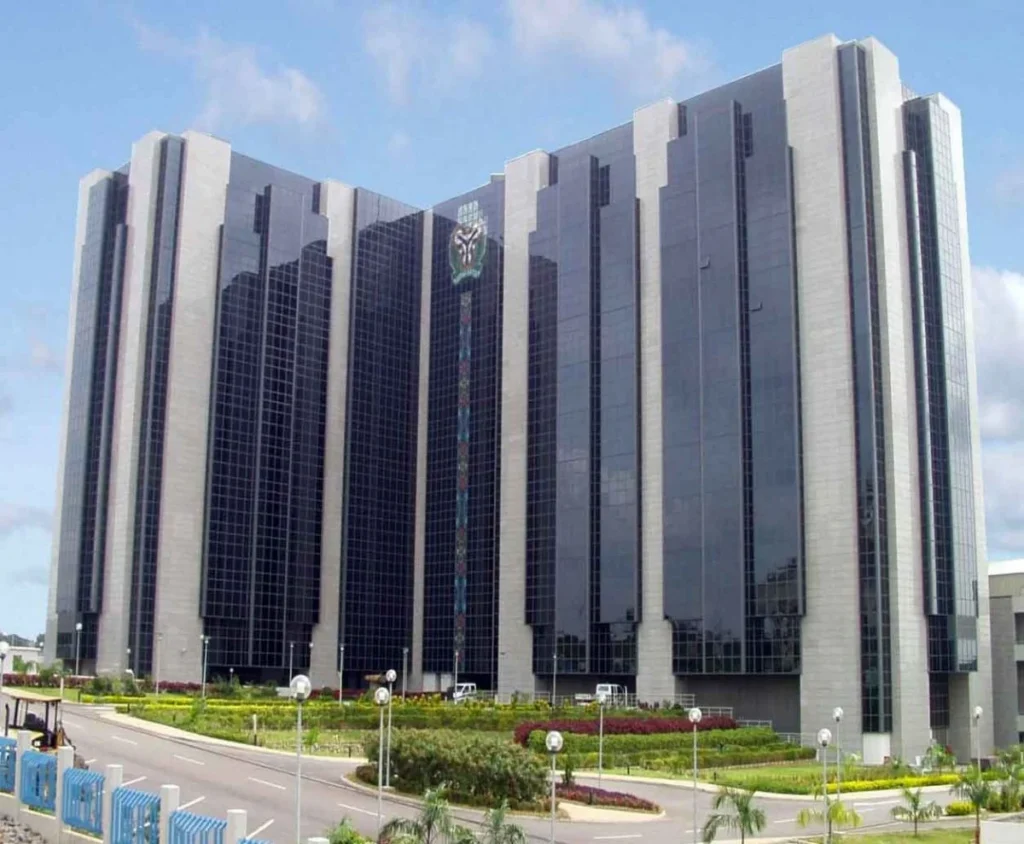
Pressure is building on the Central Bank of Nigeria (CBN) to resume monetary easing as businesses and households struggle with high borrowing costs, stubborn inflation, and weakening consumer demand ahead of the Monetary Policy Committee (MPC) meeting scheduled for Wednesday.
Although inflation remains elevated, a growing number of Nigerians now favor lower interest rates, arguing that prolonged tight monetary conditions are worsening economic hardship, restricting access to credit, and slowing business activity across key sectors of the economy.
Findings from the CBN’s April 2026 Inflation Expectations Survey revealed that 63.3% of respondents supported a reduction in interest rates, while 26% preferred rates to remain unchanged. Only 10.7% favored additional monetary tightening.
The survey sampled 3,587 respondents, comprising 1,923 businesses and 1,664 households selected from the National Bureau of Statistics (NBS) establishment framework and the National Population Commission’s enumeration areas.
The growing demand for lower rates comes barely three months after the apex bank reduced the Monetary Policy Rate (MPR) by 50 basis points to 26.5% from 27% during its 304th MPC meeting in February. That decision marked the first significant easing move after an extended period of aggressive tightening aimed at controlling inflation and stabilizing the naira.
At the time, the MPC cited improving macroeconomic indicators, relative exchange rate stability, and easing inflationary pressures as justification for the policy shift. However, recent inflation data suggests that price pressures remain deeply entrenched within the economy.
According to figures released by the National Bureau of Statistics, headline inflation rose for the second consecutive month to 15.69% year-on-year in April 2026, up from 15.40% recorded in March. The increase was driven largely by renewed pressure on food prices despite moderation in month-on-month inflation.
The latest data highlights the difficult balancing act facing the MPC as policymakers attempt to support economic growth while preventing inflation from accelerating further.
Although inflation remains significantly lower than levels recorded a year ago, households and businesses continue to battle rising energy prices, insecurity, logistics challenges, and persistent food supply disruptions.
The CBN’s Inflation Expectations Survey also revealed growing concern among consumers and firms regarding the cost of living. The inflation expectations index stood at 40.5 points in April, indicating that while inflation is still perceived as high, respondents expect some moderation over the next six months.
Perception of inflation worsened sharply during the month. About 67.2% of respondents described inflation as high, compared to 56.4% in March. Among households, the figure rose to 68.8% from 61.7%, while businesses reporting elevated inflation increased significantly to 65.9% from 51.9%.
Micro businesses recorded the highest inflation perception at 69.9%, followed by large firms at 65.2%, small businesses at 64.6%, and medium-sized enterprises at 63.2%.
The survey also exposed widening income disparities in the impact of inflation. Households earning below N70,000 monthly recorded the highest inflation perception at 77.9%, compared with 46.6% among households earning between N250,001 and N350,000.
Inflationary pressure also appeared more severe in rural areas, where 70.4% of households described inflation as high, compared with 67.6% in urban centers.
Respondents identified energy costs, transportation expenses, exchange rate volatility, insecurity, and infrastructure deficits as the primary drivers of inflation across the economy.
Analysts at Cordros Research and Cowry Research attributed the latest inflation increase largely to renewed food supply disruptions and persistent energy-related costs. According to the firms, food inflation accelerated to 16.06% year-on-year in April from 14.31% in March due to tighter market supplies linked to the planting season and rising transportation costs.
Although month-on-month food inflation eased slightly to 3.63% from 4.12%, prices of farm produce rose sharply by 5.99% month-on-month compared with 4.60% previously. Imported food inflation also climbed significantly to 4.38% from 1.12%.
The analysts linked the pressure to insecurity in food-producing regions, constrained agricultural supply chains, and the continued pass-through effects of high fuel and logistics costs.
Core inflation, which excludes volatile agricultural produce and energy prices, moderated slightly to 15.86% year-on-year from 16.21% in March. On a monthly basis, the core index eased substantially to 1.03% from 4.03%, reflecting slower price increases in areas such as transportation, personal care, accommodation, and restaurant services.
However, inflationary pressures intensified in sectors such as education, communication, and recreation, suggesting that broader price pressures remain widespread across the economy.
Co-founder of Comercio Partners, Nnamdi Nwizu, stated that high interest rates have significantly worsened operational challenges for businesses, especially manufacturers and small enterprises.
According to him, elevated borrowing costs across the banking sector continue to limit access to affordable credit, weaken investment appetite, and squeeze profit margins at a time when consumers are already struggling with weak purchasing power.
Meanwhile, Chief Executive Officer of Financial Derivatives Company, Bismarck Rewane, projected that the MPC may likely retain the current MPR while potentially tightening liquidity conditions through alternative monetary tools such as the Cash Reserve Ratio (CRR) and Open Market Operations (OMO).
Rewane warned that rising crude oil prices could increase government revenue and FAAC allocations, potentially complicating the CBN’s efforts to contain inflation.
He noted that FAAC disbursements rose by 7.94% in March to N2.04 trillion and could remain above N2 trillion monthly if elevated crude oil prices persist due to geopolitical tensions.
According to him, the CBN is likely to maintain interest rates while relying on liquidity management tools to absorb excess cash from the financial system.
Cordros Research similarly argued that inflation risks remain too elevated for aggressive monetary easing, especially amid persistent global and domestic uncertainties.
The firm pointed to sustained high crude oil prices as a major concern. Brent crude has reportedly averaged about $105.89 per barrel in May compared to $101.43 in April, keeping pressure on domestic fuel and transportation costs.
Analysts noted that Dangote Refinery’s gantry prices for Premium Motor Spirit (PMS) and diesel have remained elevated at approximately N1,275 and N1,680 per litre respectively, sustaining pressure on logistics, food distribution, and broader consumer prices.
Food supply conditions also remain fragile due to the planting season, insecurity in farming regions, and rising fertilizer costs linked partly to elevated energy prices.
Despite these pressures, analysts believe the relative stability of the naira could help moderate imported inflation. The currency has averaged around N1,365.72/$ month-to-date in May compared to N1,361.22/$ in April, helping reduce imported cost pressures on exchange-rate-sensitive goods.
Still, most analysts expect inflation to remain sticky in the near term, with forecasts suggesting headline inflation could rise further to around 16.22% year-on-year in May.
Despite the inflationary risks, businesses and households remain cautiously optimistic that price pressures could gradually moderate over the next six months.
Among businesses, the proportion expecting inflation to rise declined from 52.2% in the near term to 50.5% over the next six months, while those expecting lower inflation increased from 14% to 24.6%.
Households expressed similar expectations, with the proportion anticipating persistently high inflation declining from 65.7% to 59%.
However, spending pressures remain intense. According to the CBN survey, 67.9% of respondents expect their expenditure to increase during the current month, with businesses slightly higher at 69% compared to 66.7% among households.
The survey also highlighted growing public engagement with monetary policy communication. About 92.1% of respondents said they actively follow CBN updates regarding inflation and interest rate decisions, reflecting increased public interest in economic policy developments.
As the MPC prepares to announce its decision, analysts say the central bank faces a difficult choice. Cutting rates too quickly could reignite inflation and weaken investor confidence, particularly if global oil prices remain elevated and food supply conditions worsen further.
On the other hand, maintaining high rates for too long risks suppressing economic activity, tightening credit conditions, and slowing recovery across critical sectors of the economy.
For businesses and households already burdened by high living costs and expensive borrowing, the outcome of the MPC meeting is expected to shape economic expectations and policy direction for the remainder of the year.