Nigeria’s External Reserves Rise $9.29bn in Nine Months to $54.86bn
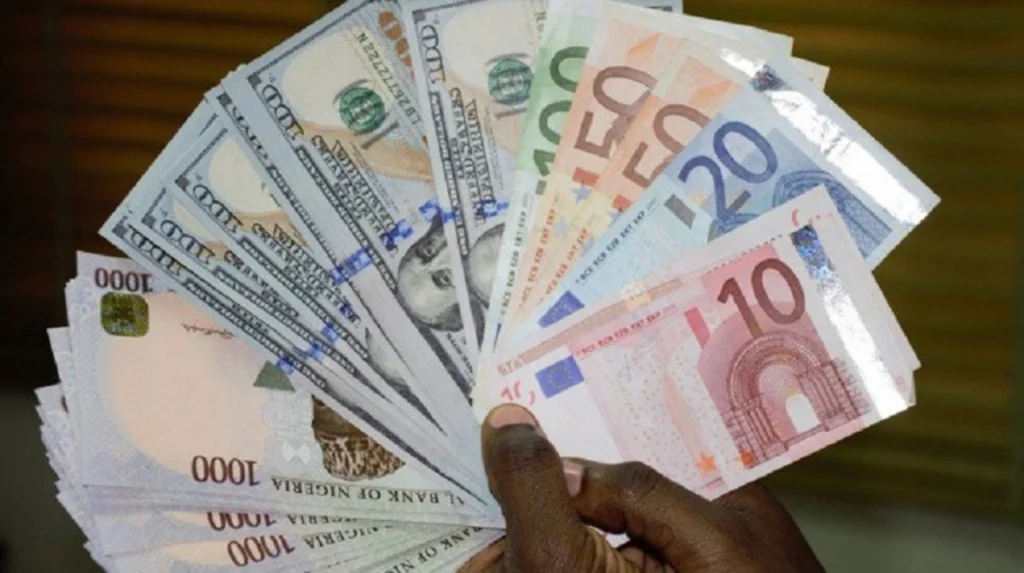
Nigeria’s external reserves increased by $9.29 billion in the first nine months of 2026, reaching $54.86 billion as of September 24, according to data from the Central Bank of Nigeria.
The latest increase represents a 20.4% rise from the $45.57 billion recorded on January 2, putting the country’s reserve position substantially above the level recorded at the beginning of the year.
The pace of accumulation has also accelerated sharply compared with the corresponding period of 2025.
During the first nine months of 2025, Nigeria’s reserves increased by only about $1.32 billion, from $40.88 billion to $42.20 billion.
The $9.29 billion increase recorded so far in 2026 is therefore roughly seven times the increase achieved during the same period last year.
The reserve position has maintained an upward trajectory throughout much of the year.
Nigeria crossed the $50 billion mark on June 4, when reserves reached $50.04 billion. The stock subsequently climbed above $51 billion in June and reached $51.92 billion by August 12.
The upward movement continued in August and September, with reserves crossing $53 billion on August 24 before reaching $53.90 billion on September 1.
By September 3, the country’s external reserves had crossed another threshold at $54.08 billion.
The stock subsequently increased to $54.41 billion on September 10, $54.69 billion on September 17 and finally $54.86 billion on September 24.
The latest figure represents a further $2.20 billion increase from the $52.66 billion recorded on August 24.
The reserve accumulation has also taken Nigeria above the CBN’s projected full-year target.
The central bank had projected that the country’s external reserves would reach $51.04 billion by the end of 2026. At $54.86 billion, the latest figure is already about $3.82 billion above that projection, despite the year having several months remaining.
The stronger reserve position comes alongside improved activity in the foreign-exchange market.
FX turnover increased by 11.02% to $2.63 billion in the week ended September 25, with spot transactions accounting for the overwhelming majority of activity.
The reserve build-up also provides a larger external buffer for the economy, particularly for the CBN’s management of foreign-exchange liquidity.
However, the reserve figure alone does not determine the exchange-rate outlook. The quality and source of reserve accumulation, oil receipts, capital inflows, import demand and foreign-exchange market conditions will continue to influence the country’s external position.
For businesses, the increase is particularly significant because stronger reserves can improve the availability of foreign exchange for legitimate transactions and reduce pressure on the country’s external accounts.
The latest reserve performance therefore places Nigeria in a considerably stronger position than it occupied at the beginning of the year, although maintaining the accumulation will depend on continued foreign-exchange inflows and broader macroeconomic conditions.